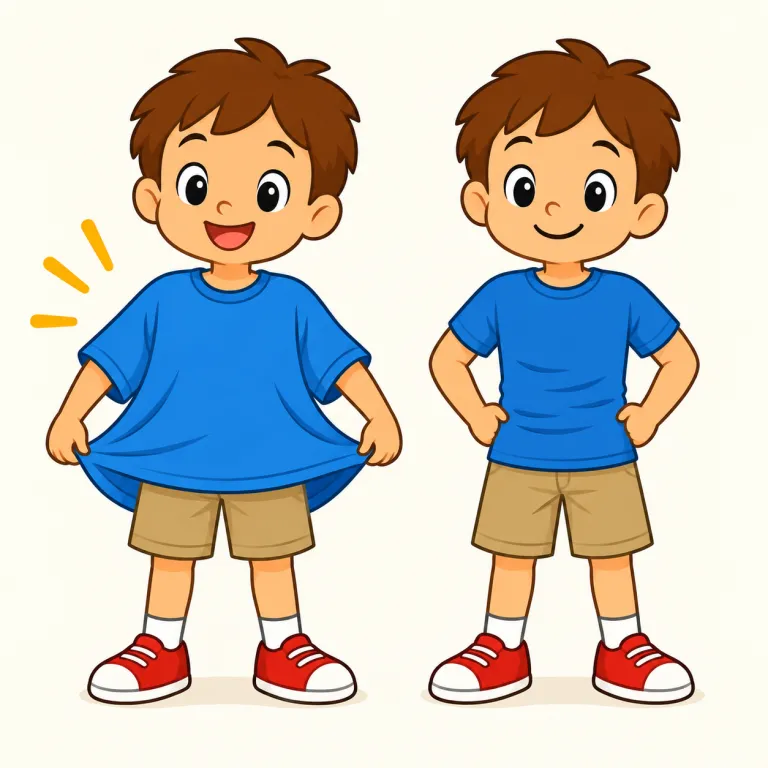
緩い
解説 Definition
looser は loose(緩い、ゆるんだ)の比較級です。服や結び目、規則などが、別のものより締めつけや制限が少ないことを表します。
Looser is the comparative form of loose. It describes something that fits, is tied, or is controlled less tightly than something else, as with clothing, a knot, or rules.
覚え方のコツ Memory Tip
looser は loose「緩い」に比較級の -er を付けた形で、「より緩い」です。語末の e は残してそのまま -r を加え、発音は /ˈluːsər/。loose shirt、loose knot、loose rules を比較する場面で、than と組み合わせて覚えましょう。動詞 loosen や名詞 looseness にもつながります。
Start with loose, meaning “not tight,” and add the comparative ending -er: loose becomes looser, with the final e retained and only r added. Pronounce it /ˈluːsər/, with an unvoiced /s/, and use it when comparing degrees of tightness or restriction. Picture three common frames: a looser shirt gives the body more room, a looser knot is less tightly tied, and looser rules impose fewer limits. The pattern “looser than” makes the comparison explicit. Do not confuse looser with loser, which has one o and means someone who loses.
例文
This shirt is looser than the blue one.
このシャツは青いものよりゆったりしています。
Make the knot a little looser.
結び目をもう少し緩くしてください。
The new club has looser rules about attendance.
その新しいクラブは出席に関する規則がより緩やかです。
looser の類義語・関連語
looser の語源・成り立ち Etymology
looser は loose「緩い」+比較級の -er から成る語で、loose は古ノルド語 lauss「ほどけた・自由な」に由来します。中心イメージは「きつく結ばれていない」で、そこから「より緩い」「よりゆったりした」という意味が自然に出ます。関連語に loosen、looseness があります。
Looser is formed regularly from the adjective loose and the comparative suffix -er. Loose entered English from Old Norse lauss, meaning “free, unattached, or released,” and is related to older Germanic words expressing freedom from bonds. The comparative preserves the basic image of something being less firmly bound or constrained. The same base appears in loosen, the verb meaning “make less tight,” and looseness, the corresponding noun.
同じレベルの語彙をもっと
外部辞書で調べる
この英単語をクイズで覚えよう