意味一覧 (2件)
負け犬
解説 Definition
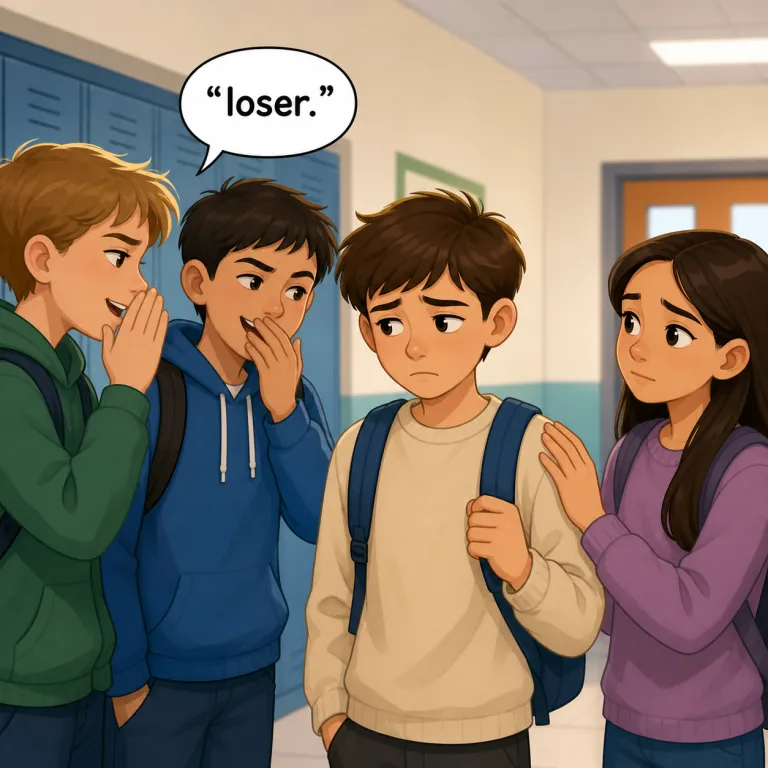
社会的に失敗して落ちぶれた人、または人生で成功していない人。人格や能力に問題があると見なされている人を指す俗語です。
A loser is a person who loses a game, competition, or contest. It is also used as an insult for someone seen as unsuccessful or weak. Because it can sound rude and judgmental, it should be used carefully.
覚え方のコツ Memory Tip
まず lose(失う・負ける)を土台にすると覚えやすいです。-er は「〜する人」なので、loser は直感的に「負ける人」。ただし単なる試合の敗者より、winner の反対として「人生面で冴えない人・見下される人」という強い俗っぽい響きが出やすい語です。You’re a loser. はかなり侮辱的。a sore loser は「負け惜しみの強い人」。単なる failure より口語的で、人へのレッテルとして使われやすい点に注意すると定着します。
Build it from `lose` plus `-er`, meaning “a person who loses.” That makes the form very easy to remember, like `teach / teacher`. Also note the tone: `loser` is often more insulting and personal than just talking about who lost a game.
例文
He was labeled a loser by his classmates.
彼はクラスメートから負け犬のレッテルを貼られました。
He made a mistake, but he is not a loser.
彼は失敗しましたが、負け犬ではありません。
She proved that nobody is a permanent loser.
彼女は誰も永遠の敗者ではないことを証明した。
負け犬、だめなやつ
(意味 2)
解説 Definition
人を見下して、価値がない、情けない、さえない人物だと決めつける侮蔑的な言い方です。試合や勝負に負けた人という文字どおりの意味ではなく、性格や立場まで低く評価してののしる場面で使われます。かなり失礼な語です。
An insulting word for someone regarded as unsuccessful, pathetic, or unworthy of respect. It expresses contempt for the person and is very rude.
例文
Don't listen to him. He's just a loser.
彼の言うことは気にしなくていい。ただの負け犬だ。
She called her ex a loser after the argument.
口論のあと、彼女は元恋人をだめなやつだと言った。
He acts tough online, but everyone thinks he's a loser.
彼はネットでは強がっているが、みんな彼を負け犬だと思っている。
loser の類義語・関連語
loser の語源・成り立ち Etymology
古英語 losian(失う、滅びる)に由来する lose の派生語で、接尾辞 -er は「~する人」を表す。losian はゲルマン祖語 *lusą(喪失)に遡る。「失う人→負ける人」と意味が発展した。関連語: loss, loose。
"Loser" is built from "lose" and the agent ending "-er," meaning "a person who loses." "Lose" comes from Old English losian, meaning to perish or lose, from an older Germanic root about loss. The idea shifted naturally from "one who suffers loss" to "one who is defeated"; related words include "loss."
同じレベルの語彙をもっと
外部辞書で調べる
この英単語をクイズで覚えよう