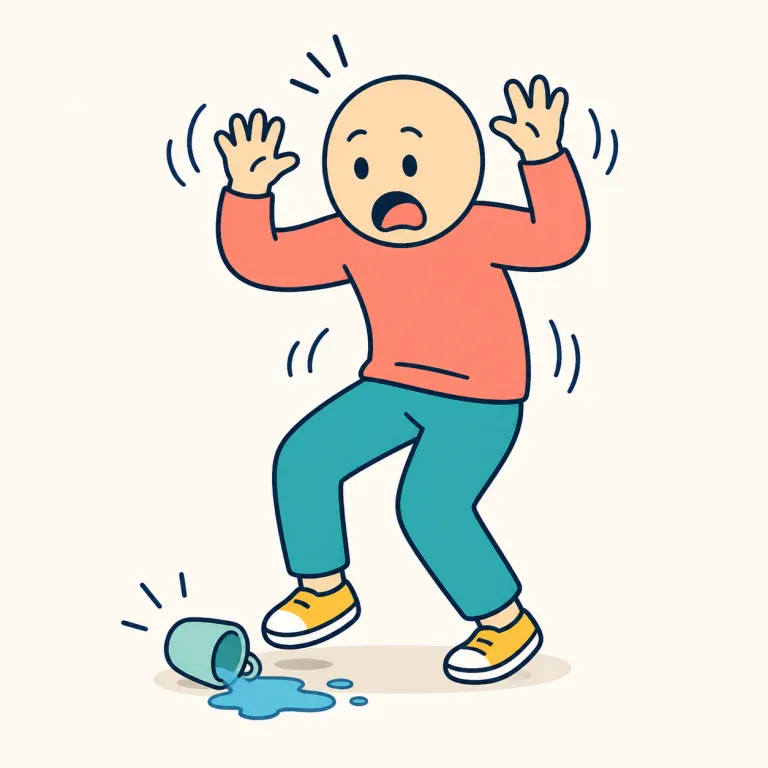
make a fuss
make a fuss は英検準1級レベルの英熟語で、「大騒ぎする」という意味があります。発音記号は /ˈmeɪk ə ˈfʌs/ です。
大騒ぎする
解説 Definition
些細なことで大騒ぎしたり、感情的に反応するような行動を指す。問題の重要性に比べて大袈裟に騒ぎ立てるニュアンスがあり、『わざわざ騒ぎ立てないで』と注意するときに使う。感謝や謝罪などの場面で過剰に注目されるときにも用いられる。
To make a fuss means to complain, worry, or react more strongly than necessary about something. It is often used when someone creates extra attention or trouble over a small matter.
覚え方のコツ Memory Tip
fuss は fussy(細かいことでうるさい、気難しい)を知っているとつながる。つまり make a fuss は「うるさく騒ぎを起こす」感じ。単なる complain より、大したことない件に感情的に騒ぎ立てるニュアンスが強い。よく over や about と組み合わせて make a fuss over small things, don’t make a fuss の形で出る。感謝や世話に対して Please don’t make a fuss. なら「そんなに気を遣わないで」と覚えると残りやすい。
Connect `fuss` with `fussy`, a person who reacts too much to small things. So `make a fuss` is not just complain, but create noisy attention around something minor. Remember the common contrast: `Don't make a fuss` means don't turn it into a big issue.
例文
Please don't make a fuss about this small mark.
この小さな傷くらいで大騒ぎしないでください。
The neighbors made a fuss about the party noise.
近所の人たちはパーティーの騒音のことで騒ぎ立てた。
He tends to make a fuss if his tea is slightly cold.
彼はお茶が少し冷めていると大騒ぎしがちだ。
make a fuss の類義語・関連語
make a fuss の語源・成り立ち Etymology
fuss は18世紀の英語で、デンマーク語 fjas(ばかげたこと)やアイルランド語 fus(騒ぎ)が語源とされる。make は古英語 macian(作る)から。「騒ぎを作り出す」が直訳で、些細なことに過剰に反応する様子を表す。関連語:fussy, maker。
Fuss appeared in English in the 18th century and is usually linked to words in Danish or Irish that referred to foolish behavior or noisy commotion. Make comes from Old English macian, meaning "to make" or "do." Together, make a fuss literally means "create a commotion," and it came to describe reacting to something in an overly noisy or excited way.
同じレベルの語彙をもっと
英検準1級の一覧へ →外部辞書で調べる
この英熟語をクイズで覚えよう