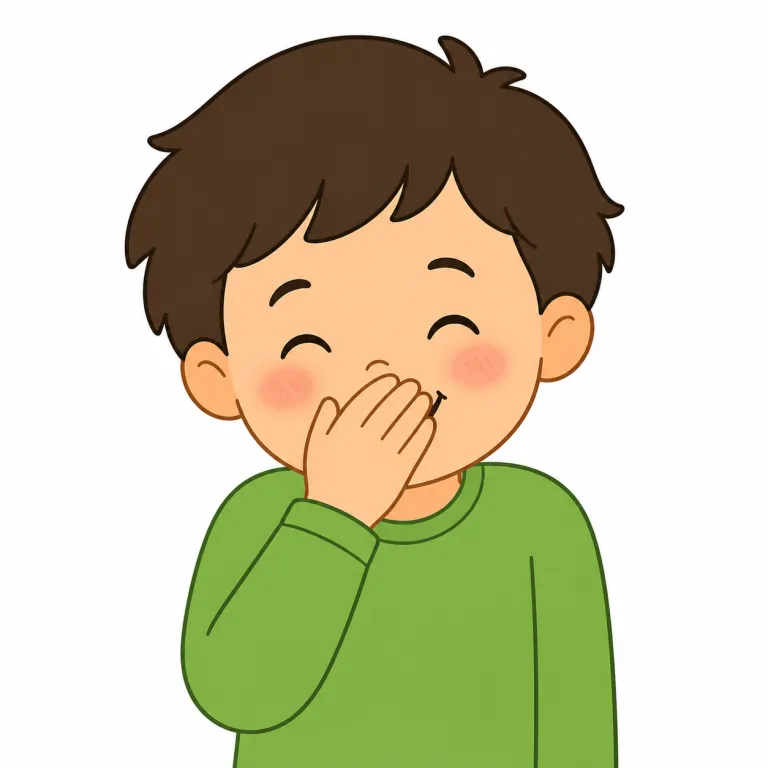
giggle
giggle は英検準1級レベルの英単語で、「くすくす笑う、くすくす笑い」という意味があります。発音記号は /ˈɡɪɡəl/ です。
くすくす笑う
/ noun 名詞 くすくす笑い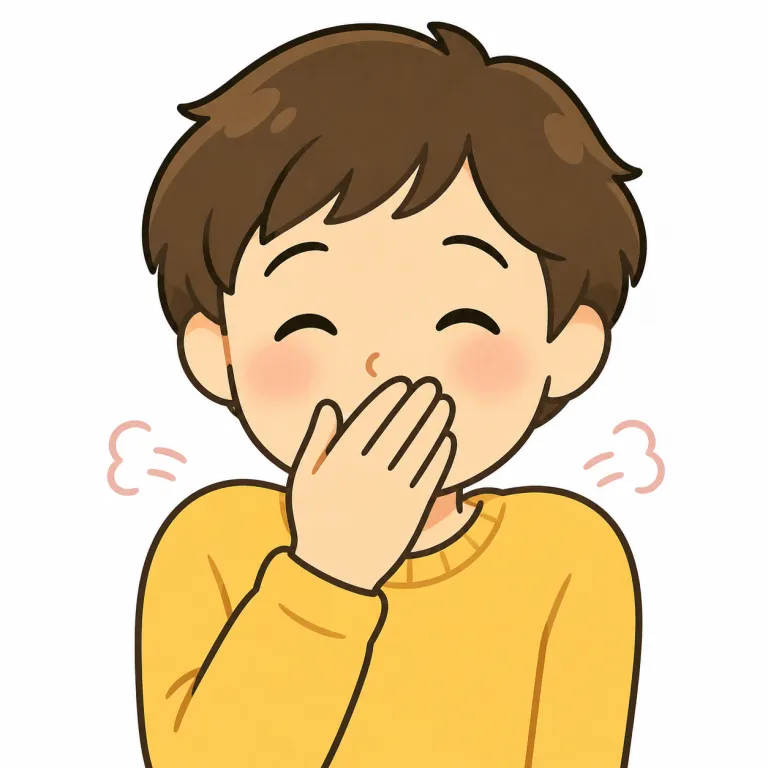
解説 Definition
「giggle」は「くすくす笑う」という意味の動詞です。特に子どもや女性が高い声で小さく笑うことを表します。おかしかったり、恥ずかしかったりするときに出る軽い笑いのことです。
To giggle means to laugh in a quiet, light, and sometimes silly way. It is often used when someone is amused, nervous, embarrassed, or reacting to something childish or playful. The word usually suggests short, repeated small laughs rather than loud laughter.
覚え方のコツ Memory Tip
laugh が普通の「笑う」なら、giggle はもっと小さく、細かく、止まらない感じの笑い。音も意味も軽く、高い声で「くすくす」が続く場面を思い浮かべると残りやすい。子ども、照れている人、内緒話で笑いをこらえきれない場面と相性がいい。giggle nervously, schoolgirls giggling, a giggling child などで見かけやすい。大声で笑う laugh、低めに含み笑う chuckle、ただほほえむ smile との違いまで一緒に覚えると定着する。
`Giggle` sounds small and light, not big and loud. Picture a child or a shy person laughing in short little bursts they cannot stop. Remember it next to `laugh`, `chuckle`, and `smile` so you feel its softer, more nervous sound.
例文
The children began to giggle when the clown made a funny face.
道化師がおかしな顔をすると、子どもたちはくすくす笑い始めた。
She tried not to giggle during the serious meeting.
彼女は真剣な会議中にくすくす笑わないようにしようとした。
We could hear the students giggling in the hallway.
廊下で生徒たちがくすくす笑っているのが聞こえた。
giggle の類義語・関連語
類義語
派生語
giggle の語源・成り立ち Etymology
giggle は16世紀ごろの英語で、音まね的に生まれた語とされます。はっきりした接辞分解はありませんが、軽く切れ切れに出る笑い声をそのまま語にした感じで、「くすくす笑う」にぴったりです。関連語は giggly, chuckle。
Giggle appeared in English around the 16th century and is usually thought to be imitative in origin. In other words, it was formed to sound like light, broken laughter rather than from a clear older root. Its sense stayed close to that original sound, and related English words include giggly and chuckle.
同じレベルの語彙をもっと
英検準1級の一覧へ →外部辞書で調べる
この英単語をクイズで覚えよう