マングローブ
解説 Definition
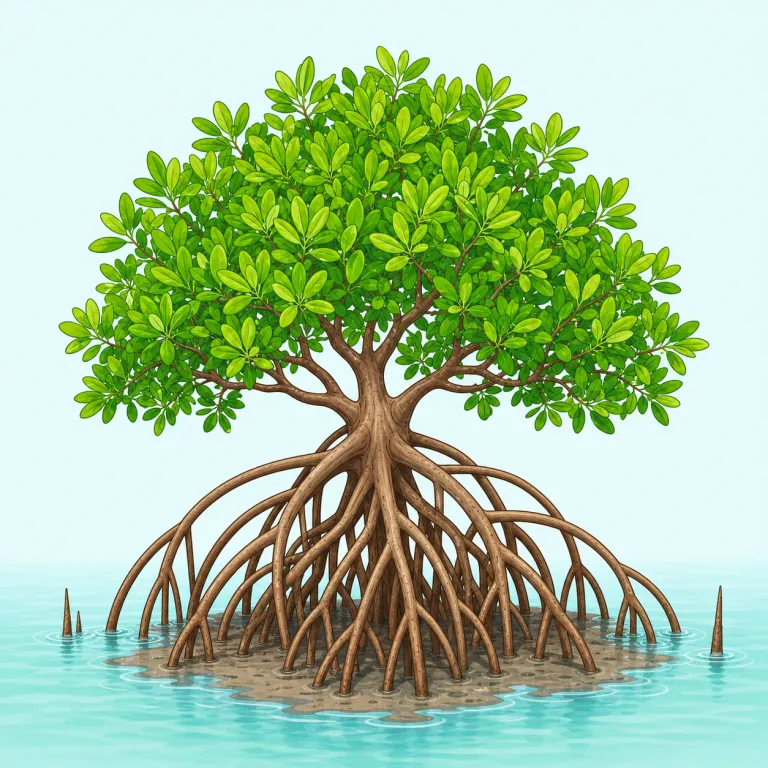
塩辛い沼地に生える特殊な樹木で、複雑な根の構造を持つことが特徴です。熱帯および亜熱帯地域の湿地帯に見られます。
A mangrove is a tree or bush that grows in wet, salty coastal areas in tropical regions. The word can also refer to the swampy area or forest where these plants grow. Mangroves are important because they protect coasts and support wildlife.
覚え方のコツ Memory Tip
mangrove は単独の訳語より、"mangrove swamp" "mangrove forest" で覚えると定着しやすい語です。意味の核は「海水が混じる湿地に生え、根が水上や泥の上に広がる木」。ただの tropical tree ではなく、coast・mud・brackish water と一緒に思い出すのがコツ。palm が砂浜のヤシなら、mangrove は入り江や沼地で複雑な根を見せる木、という対比にすると混同しにくくなります。
This word is easier to remember in the phrase `mangrove forest` or `mangrove swamp`. Link it with coast, mud, and roots spreading above water. To avoid confusion, think: a palm tree is for sandy beaches, but a mangrove grows in wet coastal areas.
例文
Mangrove forests protect coastal areas from storms.
マングローブ林は嵐から海岸地域を守ります。
The mangrove ecosystem is rich in biodiversity.
マングローブの生態系は生物多様性に富んでいます。
Mangrove roots create a unique habitat for marine life.
マングローブの根は海洋生物にとって独特な生息地をつくります。
mangrove の類義語・関連語
紛らわしい語
mangrove の語源・成り立ち Etymology
mangrove は17世紀英語の mangrow からで、スペイン語 mangle / mangue を経て、さらにカリブ海の先住民語にさかのぼるとされる。関連語に mangal があり、今の -grove は grove の類推で変化した綴りなので、「海辺に群生する木」の名だとつかめる。
Mangrove came into English in the 17th century, probably through Spanish forms like mangle or mangue, from a Caribbean Indigenous language. Its spelling later shifted under the influence of grove, even though that part is not original. So the modern form reflects both an overseas loanword and later reshaping inside English.
同じレベルの語彙をもっと
外部辞書で調べる
この英単語をクイズで覚えよう