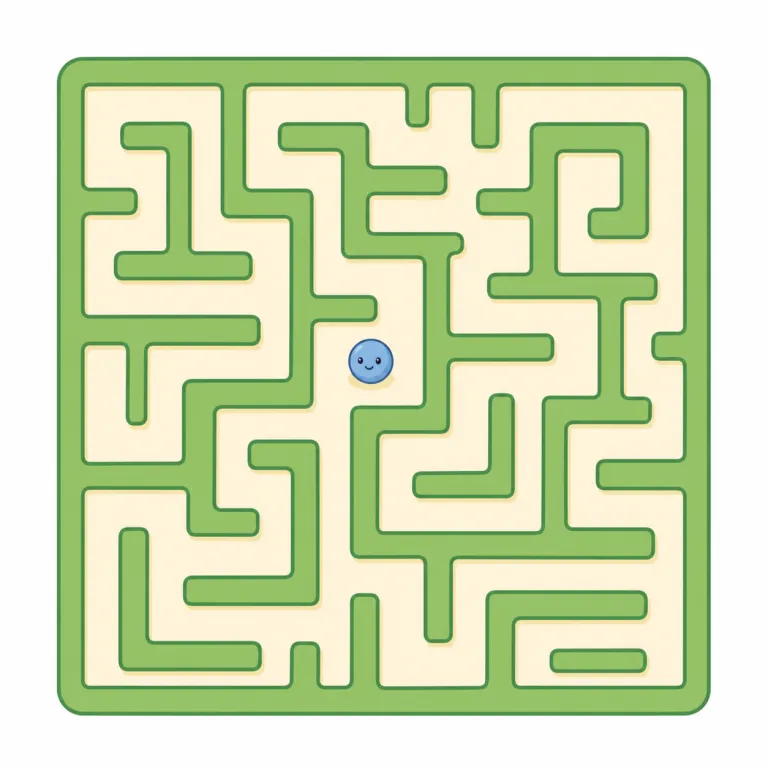
maze
maze は英検2級・TOEIC 990・TOEFL 100・IELTS 7.5レベルの英単語で、「迷路」という意味があります。発音記号は /meɪz/ です。
迷路
解説 Definition
複雑に絡み合った通路から脱出するのが難しい構造です。迷いやすい状態や困難な状況を比喩的に表します。
A maze is a complicated system of paths or passages in which it is easy to get lost. It can be a real place, like a garden maze, or a way to describe something confusing and difficult to understand. The word is common in both literal and figurative use.
覚え方のコツ Memory Tip
maze は「迷う場所そのもの」として覚えると定着しやすい語です。amazed / amazing にある「頭がくらっとする、混乱する」感覚を足場にすると、maze は人を迷わせる通路の集まりだと自然につながります。hedge maze, get lost in a maze, a maze of streets のように、実際の迷路にも比喩的な「入り組んだ道・状況」にも使えます。単なる network より、複雑で方向感覚を失う感じが強い語だと押さえると忘れにくいです。
Connect maze with the idea of being mentally confused or lost. A maze is the place that makes you lose your way. This also helps with phrases like get lost in a maze or a maze of streets, where the idea is not just many paths, but confusing paths.
例文
The children got lost in the garden maze for hours.
子どもたちは庭の迷路の中で何時間も迷いました。
This big school is a maze, so I often get lost.
この大きな学校は迷路のようで、私はよく道に迷います。
The old town was a maze of narrow streets.
その古い町には、迷路のように細い道が入り組んでいました。
えいたんごクイズでの正答率
この語をはじめて出題された 70人 のうち 59人 が正解しました(84%)。
えいたんごクイズの回答から集計した独自データです。1人につき最初に出題されたときの1回だけを数えており、復習や2回目以降の回答、「わからない」と時間切れは含みません。 集計時点は 2026年9月19日 です。
maze の類義語・関連語
紛らわしい語
maze の語源・成り立ち Etymology
maze は中英語で「混乱・惑わし」を表した語で、古英語系の *amasian「混乱させる」と結びつけられるが、語源自体は不詳とされる。先に「頭がこんがらがる」という感覚があり、そこから「人を迷わせる通路網」の意味になったと見ると腑に落ちる。関連語は amaze、amazing。
"Maze" comes from Middle English, where it first had the sense of confusion or bewilderment. It is often linked with an Old English verb meaning to confuse, though its deeper origin is uncertain. The idea seems to have moved from a confused state of mind to a place that causes confusion. Related words include "amaze" and "amazing."
同じレベルの語彙をもっと
英検2級の一覧へ →外部辞書で調べる
この英単語をクイズで覚えよう