植林地、人工林
noun 名詞木材生産などの目的で、まとまった土地に計画的に木を植えた場所を指す。特にイギリス英語で a pine plantation のように使われ、農作物を栽培する大規模農園とは区別される。
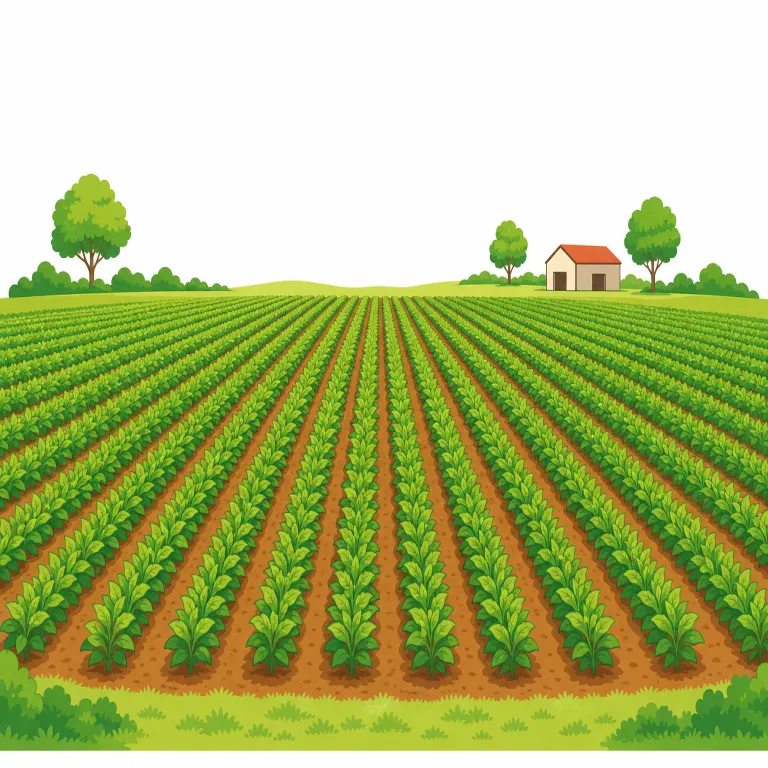
主に砂糖・綿花・コーヒー・ゴムなどの換金作物を大量に育てる大規模農園を指す。単一の作物を広い土地で栽培する形態が多く、地域によっては植民地支配や奴隷労働、低賃金労働の歴史とも深く結び付いて語られる。
A plantation is a very large farm where one main crop is grown in large amounts. It is often used for crops such as sugar, coffee, tea, or rubber, especially in warm regions, and it can also have historical connections to colonialism or slavery.
plant が見えたらまず「植物」「植える」を思い出し、-ation で「そうした営み・場」を表す名詞だと取ると覚えやすいです。ただし plantation は普通の farm や garden ではなく、砂糖・綿花・コーヒー・ゴムなどの商品作物を広大な土地で育てる“大規模経営の農園”の響きがあります。tea plantation, plantation owner の形で出やすく、南部の奴隷制や植民地支配の歴史文脈とも結びつきやすいので、単なる「農園」より重い語感までセットで記憶すると定着します。
Start with `plant`: it suggests growing crops on the land. Then add `-ation`, a common noun ending for an activity or system, so the word feels like a place or business built around planting. Remember it with strong collocations like `tea plantation` or `plantation owner`, which sound much larger and more historical than a simple `farm`.
The plantation produced thousands of tons of sugar annually.
その大規模農園では毎年何千トンもの砂糖が生産されていた。
Workers labored in the hot plantation fields.
労働者たちはその大規模農園の暑い畑で働いていた。
Coffee plantations cover large areas in Brazil.
ブラジルでは広い地域にコーヒー農園が広がっている。
文脈によって、次の意味でも使われます。
木材生産などの目的で、まとまった土地に計画的に木を植えた場所を指す。特にイギリス英語で a pine plantation のように使われ、農作物を栽培する大規模農園とは区別される。
plantation は plant + -ation。plant はラテン語 plantare「地に差し込む」、さらに planta「足裏・若枝」にさかのぼります。implant や transplant と同根で、「地面に据えて広げる場所」という核から、大規模な栽培地の意味につながります。
Plantation comes from plant plus the noun ending -ation. Plant goes back through Latin plantare, meaning "to push into the ground" or "to plant," and earlier planta, which could mean the sole of the foot or a young shoot. From the idea of putting shoots firmly into the soil, the word came to mean a place where crops are planted and grown on a large scale. Related English words include implant and transplant.
この英単語をクイズで覚えよう