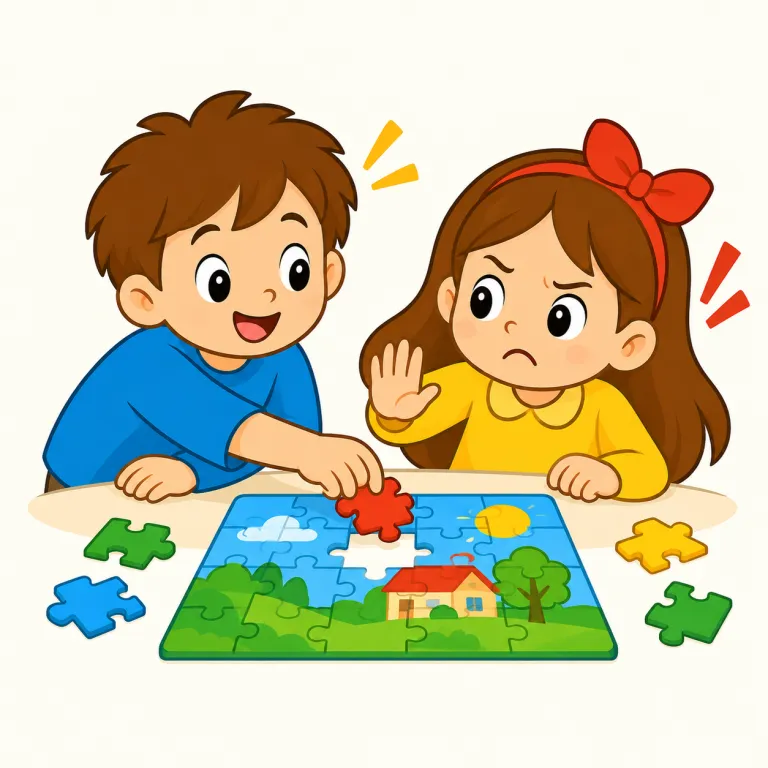
干渉する
解説 Definition
meddling は meddle「余計な干渉をする」の現在分詞・動名詞です。他人の事柄に、求められていないのに口出ししたり関わったりすることを否定的に表します。
Present-participle and gerund form of meddle, meaning to interfere in another person’s affairs or in a situation without being invited or needed. It normally expresses disapproval and often occurs with “in,” as in “meddling in private matters.”
使い方 Usage
- meddling in ~ で干渉する事柄を示します。my plans「私の計画」や someone's private life「誰かの私生活」などが続きます。 Use meddling in followed by the matter being interfered with, such as my plans or someone's private life.
- be meddling は「干渉している」。Stop meddling は「干渉するのをやめて」という形です。 Be meddling describes ongoing interference. Stop meddling tells someone to stop interfering.
使い分け Common distinctions
- 通常は迷惑な口出しを表し、頼まれて手助けすることにはあまり使いません。 The word usually suggests unwelcome interference and is not normally used for help that someone has requested.
覚え方のコツ Memory Tip
meddle の語末の無音の e を落として -ing を付けると meddling。「他人の事柄に自分を混ぜ込む」という像で、余計な干渉の意味を覚えましょう。
Drop the final silent e in meddle and add -ing to form meddling. Picture mixing yourself into someone else’s business to remember the sense of unwanted interference.
例文
Stop meddling in my plans.
私の計画に口出しするのはやめてください。
He was meddling in a matter that did not concern him.
彼は自分に関係のない問題に干渉していました。
meddling の類義語・関連語
meddling の語源・成り立ち Etymology
古フランス語「medler」(混ぜる)を経てラテン語「miscēre」(混合する)に遡る。「他人の事に自分を混ぜ込む」が原義。関連語にmix(混ぜる)、medley(メドレー=混合曲)がある。余計なお世話も「混ざる」行為という発想が面白い。
Meddling is the -ing form of meddle, created by dropping the final e before the suffix is added. Meddle entered English from Old French medler or mesler, meaning “to mix” or “mingle,” and is ultimately related to Latin miscēre, “to mix.” The modern negative sense developed from the figurative idea of mixing oneself into matters belonging to other people. Medley is historically related through the same French source.
同じレベルの語彙をもっと
外部辞書で調べる
この英単語をクイズで覚えよう