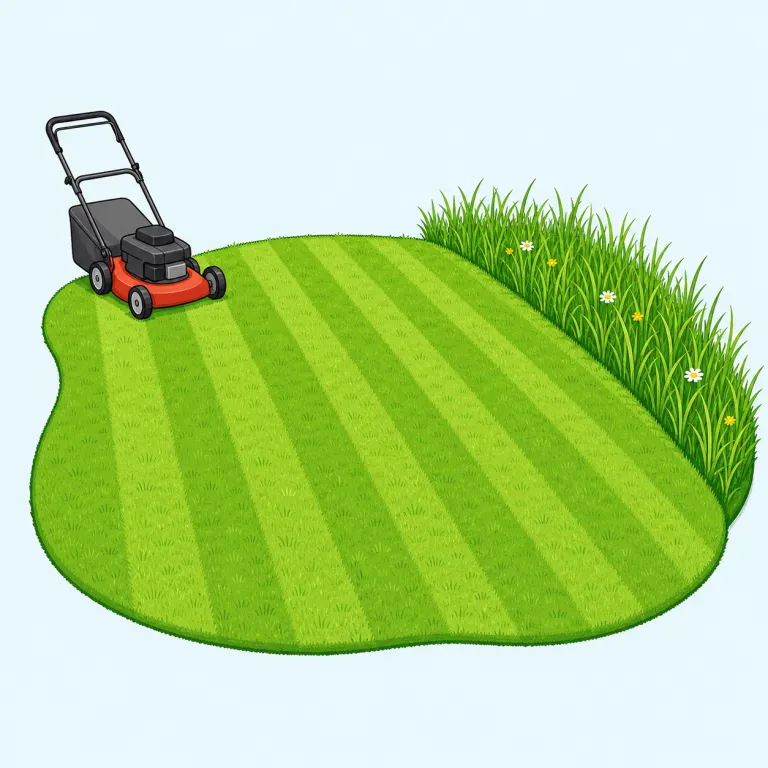
刈られた
解説 Definition
刈られた、草や穀物が切られた。過去分詞。芝生や牧草が整えられた状態。
Mown means cut down by a machine or tool, especially grass. It is most often used to describe lawns, fields, or other areas of plants after they have been cut. It is the past participle form of "mow" and is sometimes used as an adjective.
覚え方のコツ Memory Tip
mow(芝・草を刈る)を知っていれば、その動作が終わった状態が mown。まず mow the lawn を軸に、a freshly mown lawn / freshly mown grass「刈りたての芝生・草」で覚えると定着しやすい。cut よりも対象が芝・草・穀物に寄るのがポイントで、髪や紙には普通使わない。mow-mowed-mown の形も一緒に押さえると、過去分詞が形容詞化した語だと見抜きやすい。見た目は own に似るが、意味は必ず mow 系で考える。
If you know `mow`, then `mown` is the finished result. Remember it with the common phrase `a freshly mown lawn`. It belongs with grass, fields, and crops, so do not mix it with general words like `cut`.
例文
The neatly mown lawn looked beautiful and well-maintained.
きれいに刈られた芝生は美しく、よく手入れされているように見えた。
The mown hay lay in the field before the rain arrived.
刈られた干し草が、雨が降り出す前の畑に横たわっていた。
The mown grass gave off a fresh, pleasant smell on the summer morning.
夏の朝、刈られた草から爽やかで心地よい香りが漂っていた。
mown の類義語・関連語
mown の語源・成り立ち Etymology
mown は動詞 mow「刈る」の過去分詞形で、古英語 māwan、さらにゲルマン祖語 *mēwaną にさかのぼります。語根には「草や穀物を切る」感覚があり、mower や mowing も同系です。つまり「すでに刈り取られた状態」という形から今の意味になります。
Mown is the past participle form of mow. Mow comes from Old English māwan and goes back to an early Germanic root meaning to cut grass or grain. Related forms include mower and mowing. The adjective mown developed from the idea of something that has already been cut.
同じレベルの語彙をもっと
外部辞書で調べる
この英単語をクイズで覚えよう