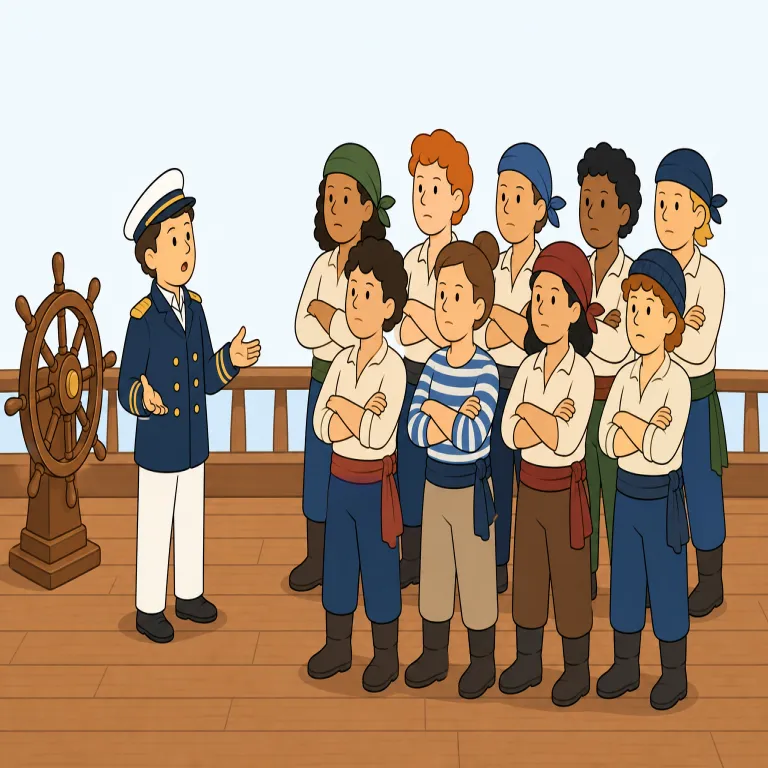
mutiny
mutiny は英検1級レベルの英単語で、「反乱」という意味があります。発音記号は /ˈmjuːtəni/ です。
反乱
解説 Definition
集団で指揮系統や権力に背いて指示に従わず、支配を覆そうとする反抗的な行動です。おもに軍隊や船員の中で上官に対する反乱として起き、組織を混乱させます。失敗すれば厳しい処罰を受けることが多い一方で、成功すれば政権や艦隊の支配権を奪い取る可能性があります。
Mutiny is a rebellion by soldiers, sailors, or other organized groups against the people in authority over them. It usually happens when members refuse orders or try to take control. The word is especially common in military and historical contexts.
覚え方のコツ Memory Tip
mutiny は「ただの反乱」ではなく、船員・兵士など組織の下位にいる集団が上官の命令に背く場面で覚えると定着しやすいです。revolt や rebellion よりも「指揮系統の内側で起こる反抗」が核。ship, crew, soldiers, captain と一緒に思い出し、 stage/lead/suppress a mutiny の形で覚えると使いやすいです。名詞なので act of mutiny の感覚で捉え、騒動一般の riot と混同しないのがポイントです。
Remember this as a special kind of rebellion inside a chain of command. It often appears with `ship`, `crew`, `captain`, or `soldiers`, so those words are useful memory partners. That makes it easier not to confuse it with a general `riot` or `rebellion`.
例文
The captain quickly stopped the mutiny on the ship.
船長は船上の反乱をすぐに鎮めた。
The sailors planned a mutiny due to poor conditions and lack of pay.
水夫たちは待遇が劣悪で給料も払われないために反乱を計画した。
Mutiny was historically punished with severe consequences in military forces.
反乱は歴史的に軍隊で厳しい処罰の対象だった。
mutiny の類義語・関連語
類義語
紛らわしい語
mutiny の語源・成り立ち Etymology
mutiny は中世フランス語 mutinie / mutiner から入り、さらにラテン語 movere「動かす」にさかのぼるとされます。もとは「秩序を揺り動かして騒ぐ」感覚で、船員や兵士が命令に逆らう反乱の意味になりました。関連語に move, motion があります。
"Mutiny" came into English from Middle French "mutinie" or "mutiner." It is usually traced back to Latin "movere," meaning to move, with the sense of stirring up disorder or unrest. Over time, it became the word for open rebellion by soldiers or sailors against authority. Related English words include "move" and "motion."
同じレベルの語彙をもっと
英検1級の一覧へ →外部辞書で調べる
この英単語をクイズで覚えよう