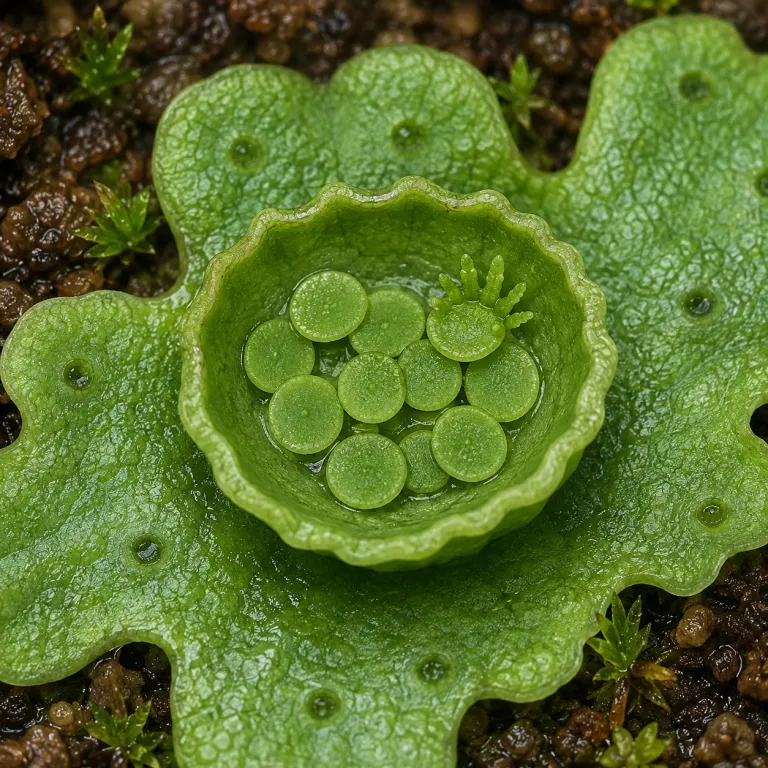
無性芽
解説 Definition
gemma は、コケ植物などが無性生殖を行うために作る小さな芽状の構造を指す生物学用語です。親個体から離れたあとに新しい個体へ成長でき、特にゼニゴケ類の無性芽や無性芽杯を説明する場面でよく使われます。
A gemma is a small reproductive structure in some plants, fungi, and similar organisms that can grow into a new individual. It is used in biology, especially when talking about asexual reproduction. This is a technical scientific term, not an everyday word.
覚え方のコツ Memory Tip
覚えるときは、まず biology の定番語 `seed` や `spore` と区別すると残りやすいです。`gemma` は「親からできた小さな芽のような粒が、そのまま離れて増える」場面で使う語で、特に `gemma cup`(無性芽杯)や liverwort の説明と一緒に出やすいです。つまり「種子ではなく、親の一部が小さな増殖ユニットになる語」と整理すると定着します。複数形 `gemmae` も見かけるのでセットで覚えると混乱しません。
Remember `gemma` by contrasting it with `seed` and `spore`. A `gemma` is like a small growth unit that comes directly from the parent, so think "part of the parent becomes a new start." It often appears in biology with `gemma cup` and `liverwort`. Also note the plural `gemmae`.
例文
A single gemma can grow into a new plant.
1つの無性芽は新しい植物に成長できる。
The liverwort spreads by producing tiny gemmae.
そのタイ類は小さな無性芽を作って広がる。
The students observed gemma cups in the biology lab.
生物実験室で、生徒たちは無性芽杯を観察した。
gemma の類義語・関連語
紛らわしい語
gemma の語源・成り立ち Etymology
ラテン語 gemma(芽・つぼみ、宝石)に由来し、英語では植物学で「芽状の器官」を指す名詞になりました。もともと「ふくらみ出るもの」の感覚があり、gem や gemstone も同じ語源です。
Gemma comes from Latin gemma, which meant both "bud" and "jewel." In English scientific use, it came to name a bud-like structure in plants. The link is the idea of a small rounded thing that swells out or stands out. Related words from the same root include gem and gemstone.
同じレベルの語彙をもっと
外部辞書で調べる
この英単語をクイズで覚えよう