中和する
解説 Definition
中和する、または無効にする。化学反応でまたは対抗によって無力化することを指します。
Neutralising means making something harmless, ineffective, or no longer active. It can be used in science, medicine, or conflict situations, depending on what is being reduced, balanced, or stopped.
覚え方のコツ Memory Tip
まず基礎語の neutral「中立の」を思い出すと覚えやすいです。neutralise は「中立状態にする」→そこから「中和する・効力をなくす」へ広がります。化学なら neutralise an acid のように酸を中和する場面、一般語なら neutralise a threat で脅威を無力化する場面が定番です。意味の核は「反対の力を当てて、偏りや作用を打ち消すこと」。なお neutralizing という -ize 綴りもあり、neutralising は英式表記です。
Build it from `neutral`. If something becomes neutral, its force or effect is balanced out, which helps you remember `neutralise` and `neutralising`. Common pairs like `neutralise an acid` and `neutralise a threat` make the idea stick in both science and general English.
例文
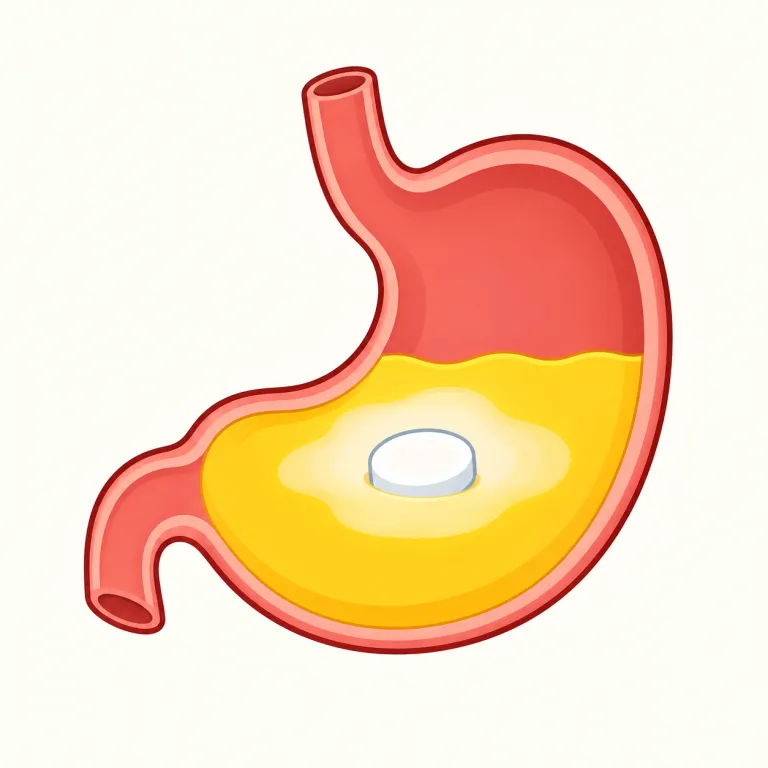
The antacid was neutralising stomach acid.
その制酸薬は胃酸を中和していました。
Neutralising the threat required swift action.
その脅威を無力化するには迅速な行動が必要でした。
The antibodies are neutralising the virus.
その抗体はウイルスを中和しています。
neutralising の類義語・関連語
neutralising の語源・成り立ち Etymology
neutralising はラテン語 neuter(どちらでもない)に由来し、-al が形容詞、-ise が「〜にする」を加えて「中立状態にする」が核です。接頭辞というより語幹 neutral が中心で、neutral や neutrality も同じ発想から、中和が「偏りを消す」と見えてきます。
Neutralising comes from neutralise, based on neutral. Neutral goes back to Latin neuter, meaning "neither of two." From the idea of making something belong to neither side, the word developed into the sense of making something neutral or canceling its effect; compare neutral and neutrality.
同じレベルの語彙をもっと
外部辞書で調べる
この英単語をクイズで覚えよう