頭、頭脳
noun 名詞口語で人の頭、特に考える働きとしての頭脳を、やや滑稽または親しみを込めて指す。主に use your noodle のような表現で「頭を使え」という意味になり、食べ物の麺とは異なる俗語的用法である。
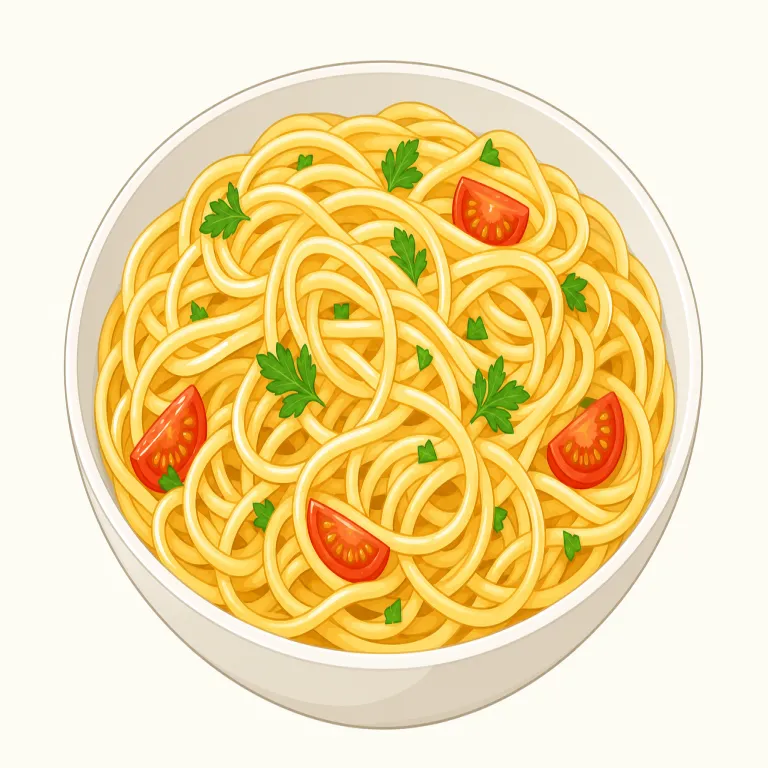
noodle は英検6級レベルの英単語で、「麺」という意味があります。発音記号は /nuːdl̩/ です。
小麦粉や米粉などから作る、細長い形の食べ物を指す名詞です。一本の麺を指すことも、文脈によっては麺類や麺料理全般を表すこともあります。主にスープ、炒め物、冷たい料理などで使われ、地域によって原料や太さ、食感が大きく異なります。
A noodle is a long, thin piece of food made from dough, usually cooked in boiling water. Noodles are common in many dishes such as soups, stir-fries, and pasta-style meals. The word is often used in cooking and food contexts.
noodle は、まず ramen・udon・soba を英語でまとめて noodles と言える語として覚えると定着しやすいです。a bowl of noodles, noodle soup, instant noodles などのまとまりで頭に入れるのが有効。pasta は主にイタリア系、spaghetti はその一種ですが、noodle は細長い麺全般に広く使えます。単数 noodle は一本を意識しやすく、日常会話では複数形 noodles で料理全体を指すことが多い、と押さえると混乱しません。
Use food groups to remember it: `noodles` is a broad word for long, thin food like ramen, udon, and soba. It is wider than `spaghetti`, which is only one kind, and different from `pasta`, which is more Italian-focused. You will often hear it in phrases like `noodle soup` or `instant noodles`.
I eat noodles for lunch.
私は昼食に麺を食べます。
This noodle is long.
この麺は長いです。
There are noodles in the soup.
スープに麺が入っています。
文脈によって、次の意味でも使われます。
口語で人の頭、特に考える働きとしての頭脳を、やや滑稽または親しみを込めて指す。主に use your noodle のような表現で「頭を使え」という意味になり、食べ物の麺とは異なる俗語的用法である。
noodleはドイツ語Nudel、またはオランダ語noedelから入った語で、古形は「小さな団子」に近い語と考えられます。-elは小さいものを帯びる語尾で、粉をこねた小塊の感覚が細長い麺へ移った形です。knotやknobに通じる語群を思うと、麺も元は「こぶ・かたまり」発想だと見えてきます。
Noodle was borrowed from German Nudel or Dutch noedel. The older form seems to have referred to a small lump or dumpling made from dough. Over time, that idea of a little mass of flour dough shifted to the long, thin shape we now connect with the word.
この英単語をクイズで覚えよう