oblique
oblique は英検1級・TOEIC 990・TOEFL 100・IELTS 7.5レベルの英単語で、「斜めの、遠回しな」という意味があります。発音記号は /əbˈliːk/ です。
意味一覧 (2件)
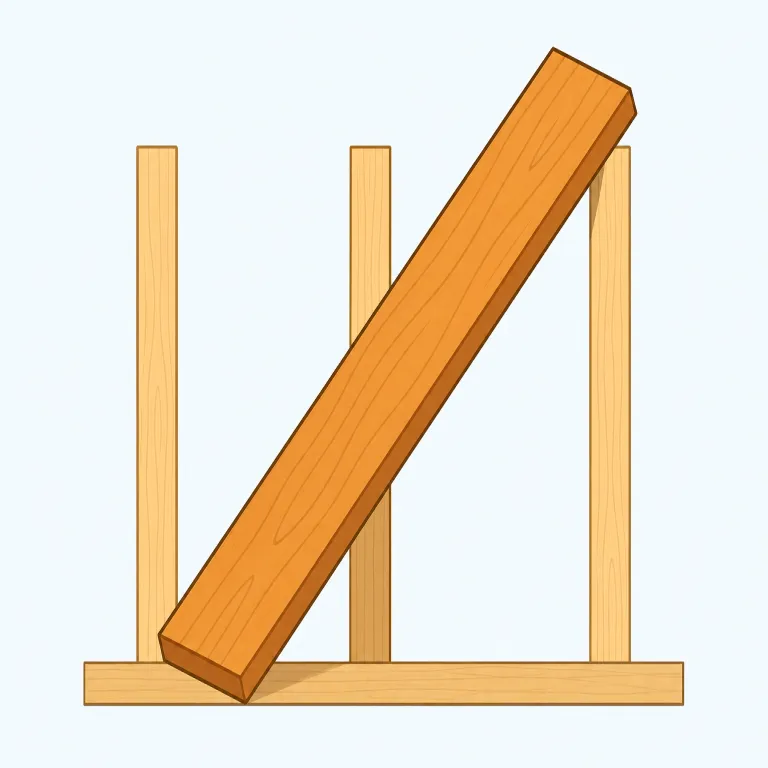
斜めの
解説 Definition
線、面、物体、光などが、基準となる方向に対してまっすぐではなく傾いていることを表す形容詞。発言や批判が遠回しであるという意味は含まない。
Oblique describes a line, surface, object, or direction that is slanting rather than straight or aligned with a reference direction. This row covers physical orientation, not indirect communication.
覚え方のコツ Memory Tip
垂直・水平などの基準方向に沿わず、傾いている物を表す形容詞である。oblique lineなら「斜線」、at an oblique angleなら「斜めの角度で」となり、格子を斜めに横切る線や壁に傾けたはしごを思い浮かべるとよい。ここでは発言が遠回しだという意味ではない。
Picture a line leaning away from a reference line. In phrases such as “oblique line” and “oblique angle,” the word describes a visible physical slant.
例文
An oblique line crossed the rectangular grid.
斜めの線が長方形の格子を横切っていた。
The ladder stood at an oblique angle against the wall.
はしごは壁に対して斜めの角度で立てかけられていた。
Oblique rays of sunlight entered through the window.
斜めに差す日光が窓から入ってきた。
えいたんごクイズでの正答率
この語をはじめて出題された 36人 のうち 20人 が正解しました(56%)。
えいたんごクイズの回答から集計した独自データです。1人につき最初に出題されたときの1回だけを数えており、復習や2回目以降の回答、「わからない」と時間切れは含みません。 集計時点は 2026年9月19日 です。
遠回しな
(意味 2)
解説 Definition
発言、言及、批判、回答などが、意図する内容を直接は述べず、ほのめかすように伝えることを表す形容詞。
Oblique describes a remark, reference, criticism, or answer that conveys something indirectly instead of stating it openly and directly.
覚え方のコツ Memory Tip
oblique reference、oblique criticism、oblique answer は、対象を正面から明言せず、斜めから触れるような「遠回しな」表現です。意見の相違や批判を直接口にせず、ほのめかして本音を推測させる場面を思い浮かべます。indirect と近いものの、意図的に核心を外して伝える響きがあります。
Imagine words approaching a subject from the side instead of going straight to it. An oblique reference or criticism hints at its point without stating it directly.
例文
He made an oblique reference to the disagreement.
彼はその意見の相違に遠回しに言及した。
Her oblique criticism left everyone unsure of her real opinion.
彼女の遠回しな批判のため、皆は彼女の本音をつかめなかった。
The minister gave an oblique answer to the reporter's question.
大臣は記者の質問に遠回しな答えを返した。
oblique の類義語・関連語
対義語
紛らわしい語
oblique の語源・成り立ち Etymology
ラテン語 obliquus「斜めの、まっすぐでない」に由来します。基準となる直線から外れて傾くという古くからの中心的なイメージが、物理的な「斜めの」という意味に保たれています。
Oblique comes from Latin obliquus, meaning “slanting” or “not straight.” Its physical sense preserves the core image of a line or direction departing from straight alignment.
同じレベルの語彙をもっと
英検1級の一覧へ →外部辞書で調べる
この英単語をクイズで覚えよう