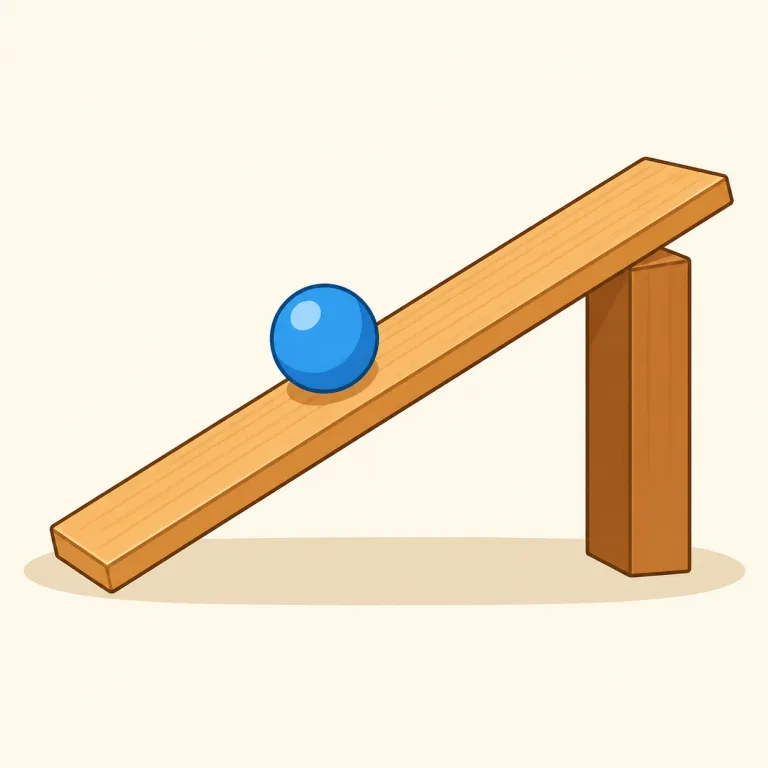
斜めの
解説 Definition
斜めの、傾いた。垂直ではなく角度をなしている様子。
Slanting means leaning or going at an angle instead of being straight up and down or flat. It is used to describe lines, surfaces, light, or movement. The word often suggests a clear sideways direction.
覚え方のコツ Memory Tip
slanting は、まず中核の slant を「まっすぐではなく、横に傾く」とまとめて覚えると残りやすいです。-ing は「その状態になっている」と見れば、slanting で「傾いた状態の」。line, roof, floor, sunlight など、線・屋根・床・光が斜めになっている場面と結びつけると定着します。似た語の diagonal は幾何学的に“対角線方向”、sloping は坂のようになだらかに傾く感じで、slanting は見た目に“斜めに傾いている”印象が中心です。
Remember the base word `slant`, which means to lean or go at an angle instead of straight. `Slanting` describes something that is in that tilted state. Picture slanting sunlight, a slanting roof, or slanting handwriting.
例文
The roof has a slanting design to prevent water accumulation.
屋根は水がたまらないように傾斜をつけた設計になっている。
The artist drew slanting lines to create a sense of movement.
芸術家は動きを感じさせるために斜めの線を描いた。
The slanting light of the sunset created beautiful shadows.
斜めに差す夕日が美しい影を作り出した。
slanting の類義語・関連語
slanting の語源・成り立ち Etymology
slanting は slant「傾く・斜め」と、状態を表す -ing から成る語です。slant は語源不詳ながら北欧語系に結びつけられることが多く、aslant や slantwise と同根で、まっすぐでなく横へずれる感覚が「斜めの」意味を作っています。
Slanting comes from slant plus the ending -ing. Slant is of uncertain origin, but it is often linked with Scandinavian or other northern European forms meaning an oblique or sideways direction. The central idea is not being straight, but leaning or moving to one side. Related forms include aslant and slantwise.
同じレベルの英単語をもっと
外部辞書で調べる
この単語を英単語クイズで覚えよう