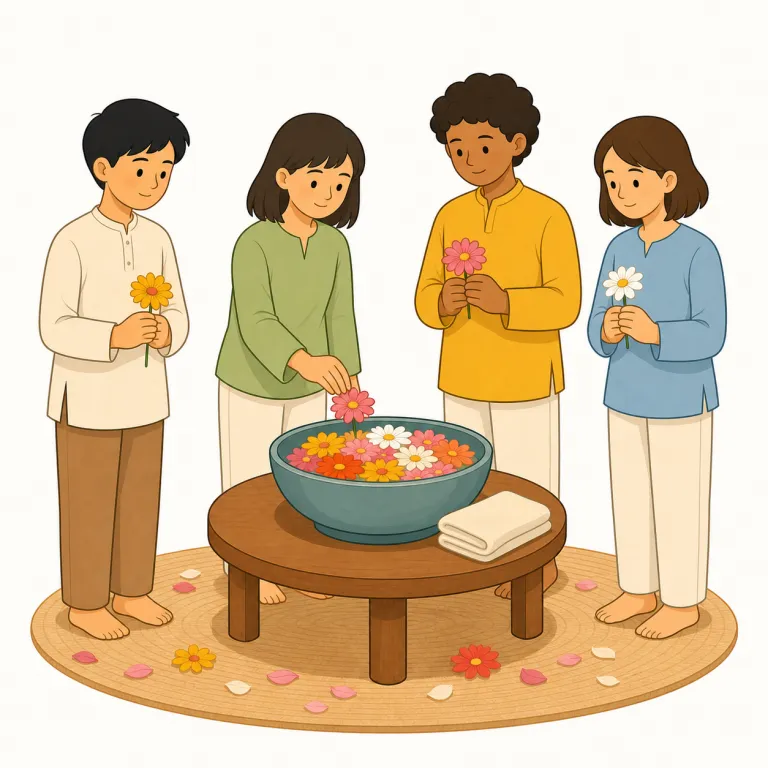
observance
observance はTOEIC 990・TOEFL 100・IELTS 7.5レベルの英単語で、「(規則・慣習の)遵守、(祝日などの)行事」という意味があります。発音記号は /əbˈzɝvəns/ です。
observance を覚えるポイント・使い方
observance は、規則や慣習の「遵守」、または祝日などの「行事・祝い」を表す名詞です。守る規則なのか、祝う日なのかを一緒に見ると、文脈に合う意味を選べます。
observance of the law は「法律の遵守」、the observance of Christmas は「クリスマスを祝うこと」。of の後の対象が意味を判断する手がかりです。
Strict observance of safety rules is required in the lab.
その研究室では、安全規則の厳格な遵守が求められる。
(規則・慣習の)遵守、(祝日などの)行事
解説 Definition
規則・法律・慣習などを守ること、または祝日や記念日などを作法や慣習に沿って祝い、行事を執り行うことを表す名詞です。文脈に応じて「遵守」「行事・祝い」と訳します。
Observance can mean following a law, rule, or custom carefully. It can also mean the act of celebrating or marking a holiday, tradition, or special event. The exact meaning usually depends on the context.
使い方 Usage
- observance of the law や observance of safety rules は、法律や規則の「遵守」を表します。 Observance of the law and observance of safety rules refer to following laws or rules.
- the observance of Christmas や holiday observance は、祝日を祝うことやその行事を表します。 The observance of Christmas and holiday observance refer to marking a holiday or the activities associated with it.
覚え方のコツ Memory Tip
observe には「観察する」のほかに「規則を守る」「祝日を執り行う」という意味もあります。その名詞形として、「決まりや作法に沿って行うこと」と結びつけて覚えましょう。
Observe can mean following a rule or marking a holiday as well as watching. Remember observance as the noun for carrying out rules or traditions.
例文
The observance of the New Year is important in Japanese culture.
新年を祝う行事は、日本文化において重要である。
Strict observance of safety rules is required in the lab.
その研究室では、安全規則の厳格な遵守が求められる。
The holiday observance included prayers and a community meal.
その祝日の行事には、祈りや地域の人々との会食が含まれていた。
observance の類義語・関連語
類義語
対義語
observance の語源・成り立ち Etymology
observanceはラテン語observantiaに由来し、observare「見守る・守る」が土台。ob-「…の方へ」+ servare「保つ・見守る」から成り、「守ること」から儀式や習慣の順守を表す。observeやpreserveにも同じserv-があり、ただ見るのでなく守る感覚が残る。
Observance comes from Latin observantia, from observare, meaning "to watch," "to attend to," or "to keep." The word moved from the idea of carefully watching or paying attention to the idea of keeping a rule, custom, or ceremony. Related words like observe and preserve share the same serv- element.
同じレベルの語彙をもっと
TOEIC 990の一覧へ →外部辞書で調べる
この英単語をクイズで覚えよう