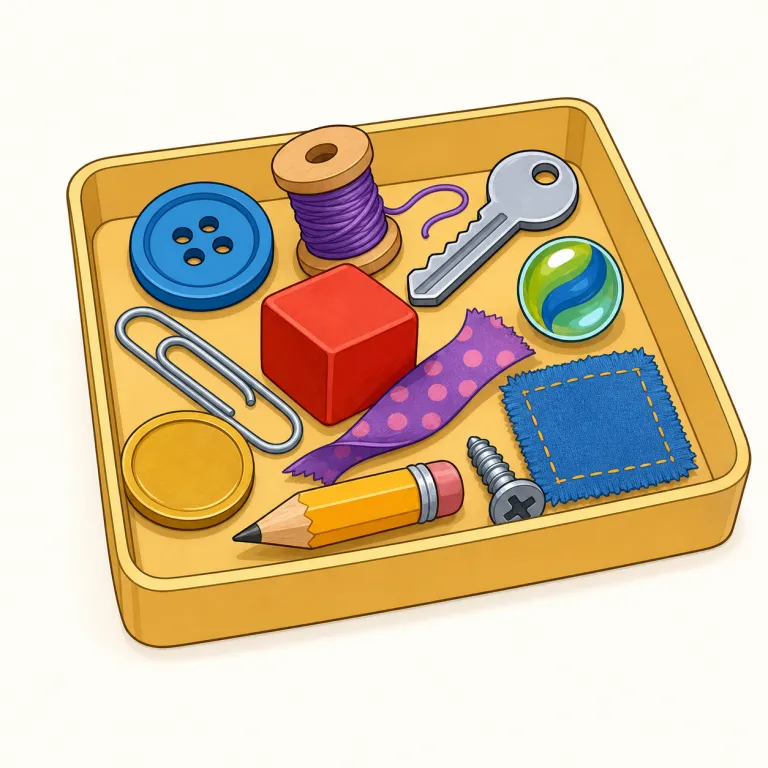
odds and ends
odds and ends は英検2級・TOEIC 860・TOEFL 80・IELTS 6.5レベルの英熟語で、「雑多な品」という意味があります。発音記号は /ˌɑːdz ən ˈɛndz/ です。
雑多な品
解説 Definition
種類のそろわない小物や端切れなど、雑多な品々をまとめて指す表現。引き出しや箱に集まった細々した物、片づけで出てくる小物などに使います。
This phrase means small, miscellaneous things of different kinds, often with no clear order or system. It is commonly used for ordinary objects collected in a drawer, box, bag, or room.
使い方 Usage
- 複数の品をまとめて指し、those odds and ends や a box of odds and ends の形で使います。 The phrase refers to a collection of items and appears in expressions such as those odds and ends and a box of odds and ends.
覚え方のコツ Memory Tip
odd から「そろっていない物」、ends から「端・残り」を連想しましょう。片づけの後、箱の底に残った文房具や端切れを思い浮かべると覚えやすくなります。
Let odd suggest things that do not match and ends suggest leftover pieces. Picture small items such as stationery and scraps left at the bottom of a box after cleaning.
例文
He tossed the odds and ends into a small box.
彼は細々した物を小さな箱に放り込んだ。
We made a toy robot from odds and ends found in the garage.
私たちは、車庫で見つけた雑多な小物でおもちゃのロボットを作った。
odds and ends の類義語・関連語
類義語
odds and ends の語源・成り立ち Etymology
oddは古ノルド語oddi(三角形の端、余り)から。endsは古英語ende(終わり、端)。どちらも「半端なもの、残り物」を意味し、16世紀頃から組み合わさって「寄せ集めの雑多な品」を表すようになった。関連語:odd(奇数)、endpoint。
This idiom joins two old words for things at the edge or left over. Odd comes from Old Norse oddi, meaning a point or corner, and later came to mean something extra, uneven, or not matching. Ends comes from Old English ende, meaning an end or edge. By the 16th century, odds and ends was used for small leftover pieces collected together.
同じレベルの語彙をもっと
英検2級の一覧へ →外部辞書で調べる
この英熟語をクイズで覚えよう