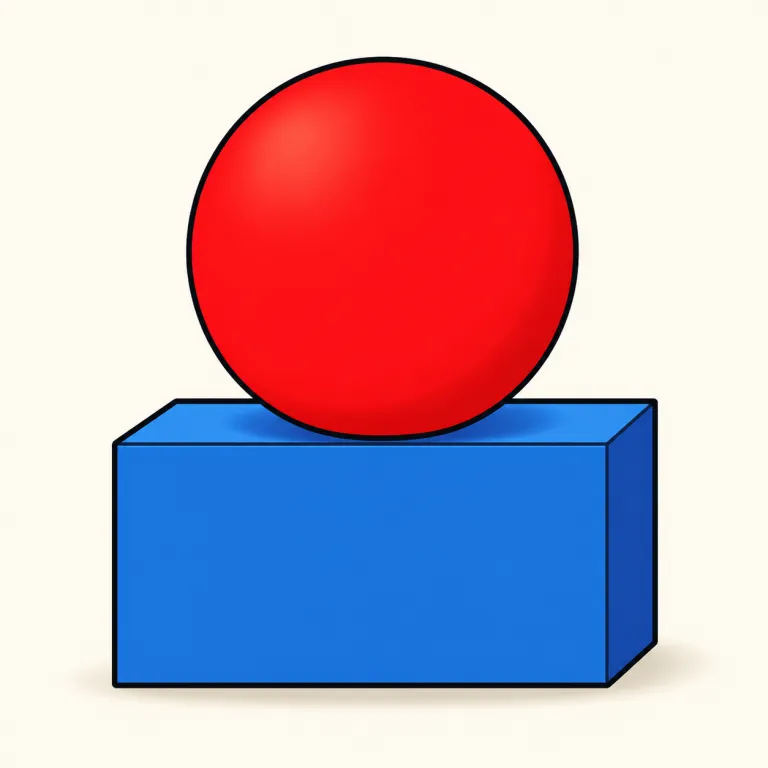
on
on は英検7級レベルの英単語で、「〜の上に、接して、ついて、作動中、〜について」という意味があります。発音記号は /ɑːn/ です。
〜の上に、接して
解説 Definition
位置を表す基本的な前置詞で、物が面の上にある、何かに接して付いている、といった関係を示す。日本語では『〜の上に』『〜に接して』『〜についている』などと訳し分ける。非常に多義的な語だが、中心には『接触している』というイメージがある。
"On" is a preposition that often means touching and supported by a surface. It is also used for position, time, and states such as being active or in operation. Because it has many uses, its meaning changes with the context.
覚え方のコツ Memory Tip
on は off の反対として覚えると軸がぶれにくい。中心イメージは「表面に触れて乗る・付く」。the book is on the table, a picture on the wall, hands on the desk のように、単なる『上』より『接触あり』が核。in は中、on は面、at は点と比べると整理しやすい。さらに switch the light on, on duty, on sale のように「その状態で動いている・有効だ」へ意味が広がる。まず contact の感覚で束ねると多義でも迷いにくい。
Connect `on` with `off`, and remember the core image: touching a surface. A book is `on` the table, a picture is `on` the wall, and your hands are `on` the desk. From that idea, it also grows into active states like `the light is on` or `on sale`.
例文
The pen is on the desk.
ペンは机の上にあります。
My bag is on the chair.
私のかばんはいすの上にあります。
A cup is on the box.
カップは箱の上にあります。
ついて、作動中
/ preposition 前置詞 〜について (意味 2)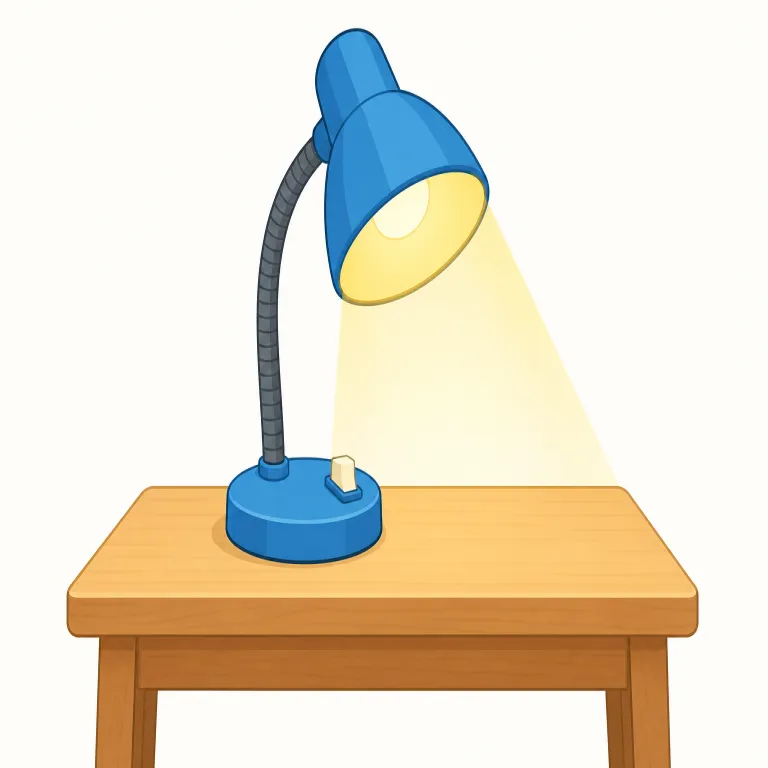

解説 Definition
機械や照明、テレビなどが作動中で、電源が入っている状態を表す。be on の形でよく使い、単にスイッチが入っているだけでなく、番組やイベントが進行中である意味にも広がる。日常会話で非常に頻出する基本表現。
This adjective describes a light, machine, or electronic device whose power is switched to the working state. It commonly follows be to say that something is currently powered or operating.
例文
The kitchen light is still on.
台所の電気はまだついている。
Is your phone on?
あなたの携帯は電源が入っていますか。
The TV is on, but nobody is watching it.
テレビはついているが、誰も見ていない。
on の類義語・関連語
on の語源・成り立ち Etymology
古英語 an にさかのぼり、「上で・接して」の意味を持った。ゲルマン系諸語に同系語があり、位置や接触を表す基本的な前置詞として、現代英語までほぼ途切れず使われてきた語である。
On comes from Old English an, which meant "in contact with" or "upon." It belongs to an old Germanic word family with similar forms in related languages. The core idea of position and contact stayed very stable, so it has remained one of the most basic English prepositions.
同じレベルの語彙をもっと
英検7級の一覧へ →外部辞書で調べる
この英単語をクイズで覚えよう