
意味一覧 (3件)
陸上
解説 Definition
この語は海ではなく陸地上にある、あるいは陸地で行われるものを指す形容詞です。陸上の施設や活動に使うことが多く、地面に接した場所や陸地側の環境に関連する意味合いがあります。沖合や海上の状況と区別して陸上に焦点を当てたい場面で用いられます。
Onshore means located or happening on land rather than at sea. It is often used in topics like wind, oil, business, and finance. For example, it can describe onshore facilities, operations, or companies.
覚え方のコツ Memory Tip
onshore はまず offshore と対で覚えると残りやすい語です。shore は「海辺・岸」なので、offshore が「沖合・海上側」なら、onshore はその反対で「岸に乗った側=陸上側」と整理できます。onshore wind, onshore facility, onshore operations のように、海に関わる話題で「海ではなく陸で」を明確にしたい場面でよく出ます。単独で「陸上の」よりも、「海上との対比で陸側」と意識すると意味がぶれません。
Learn `onshore` together with `offshore`. `Shore` means the coast, so if `offshore` is away from land, `onshore` is on the land side. Phrases like `onshore wind` or `onshore operations` make the contrast easy to remember.
例文
Onshore oil drilling requires different equipment than offshore operations.
陸上の石油掘削は沖合の操業とは異なる機器が必要です。
Most of the company's energy projects are onshore, with only a few offshore sites.
その会社のエネルギー事業のほとんどは陸上で行われており、沖合の拠点はわずかです。
Onshore wind turbines are increasingly common in rural areas.
陸上の風力タービンは農村地域でますます一般的になっています。
国内の
(意味 2)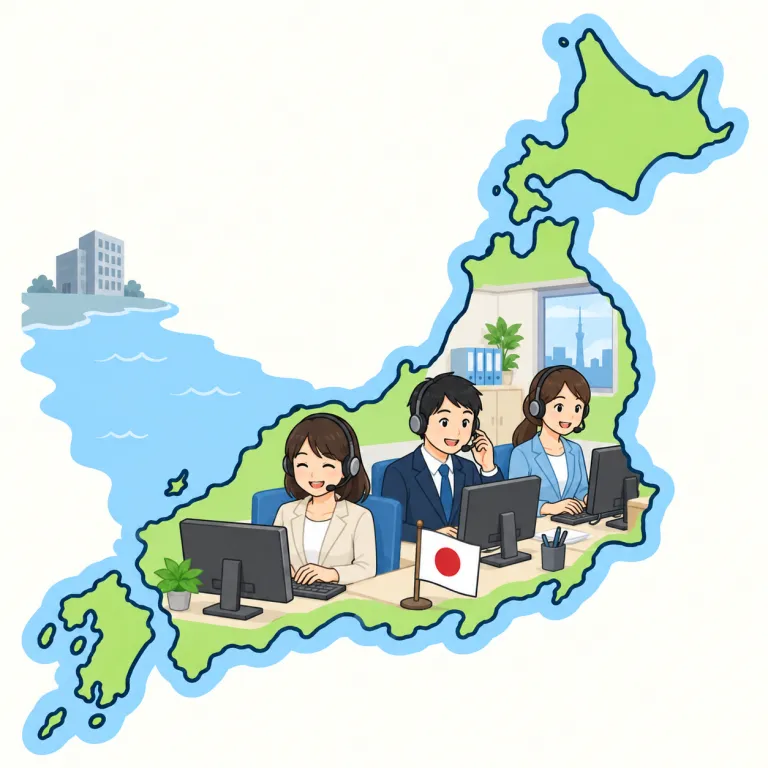
解説 Definition
企業活動や投資、業務委託などで、その国の外ではなく自国の中で行われることを表す形容詞。offshoreと対比して使われ、国内拠点・国内人材・国内市場といった文脈でよく現れる。特に規制対応や情報管理を重視する場面で使われやすい。
This describes business activity, investment, or outsourced work that remains within a company's own country rather than being moved abroad. It is often used for domestic teams, accounts, and operations when regulation or data control matters.
覚え方のコツ Memory Tip
onshore は business では offshore と対で覚えると残りやすい語です。shore は「岸」ですが、ここでは海辺そのものではなく「外へ出さず、自国側に置く」という比喩で考えます。offshore outsourcing が海外委託なら、onshore support team は国内人材のチーム。onshore accounts, onshore operations, onshore market のように、規制・税務・情報管理の話で「国外ではなく国内で」を明確にしたい場面によく出ます。「陸上の」だけに寄せず、海外との対比で国内側、と切り分けると意味がぶれません。
Learn onshore as the business opposite of offshore. Imagine keeping a support team or business operation on your country's side of the shore instead of sending it overseas.
例文
The company hired an onshore support team for its Japanese customers.
その会社は日本の顧客向けに国内のサポートチームを雇った。
Some banks offer onshore accounts with stricter reporting rules.
一部の銀行は報告規則がより厳しい国内口座を提供している。
The client asked us to keep all customer data onshore.
顧客はすべての顧客データを国内に置くよう求めた。
岸へ
(意味 3)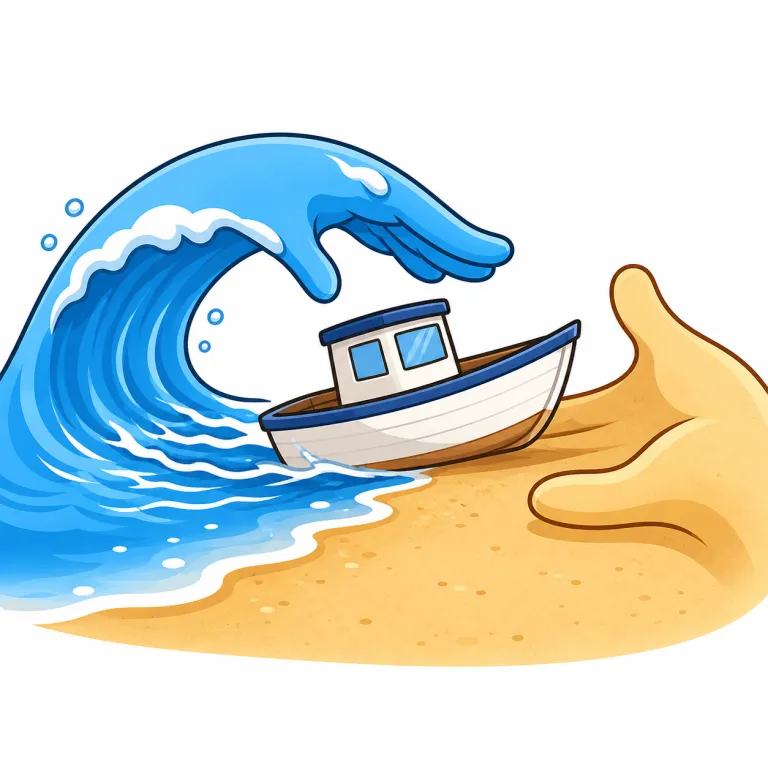
解説 Definition
海上や船上から見て、岸の方向へ動くことを表す副詞。人や船が岸へ向かう場面のほか、波や風で物が浜に流れ着く場面にも使われる。陸上にある状態そのものではなく、移動の向きに焦点がある。
This means toward the shore from the sea or from a vessel. It focuses on movement in the direction of land, including people returning to shore or objects being washed there.
覚え方のコツ Memory Tip
onshore は shore「岸」に on「乗る・近づく」が付いた語として、動きで覚えると残りやすいです。船や海上にいる人が head onshore なら「岸へ向かう」、漂流物が wash onshore なら「岸へ流れ着く」。形容詞の「陸上の・岸側の」は場所の状態ですが、この副詞は方向が主役です。offshore が沖へ離れる感じなら、onshore は海から岸へ戻ってくる向き、と切り分けると意味がぶれません。
Combine on with shore and picture movement from the water toward the land. Phrases such as “head onshore” and “wash onshore” emphasize direction, while the adjective use describes a location or type of activity.
例文
The fishermen headed onshore before the storm arrived.
漁師たちは嵐が来る前に岸へ向かった。
After the wreck, pieces of wood washed onshore overnight.
難破の後、木片が一晩で岸へ流れ着いた。
At dusk, the swimmers came slowly onshore.
夕暮れに、泳いでいた人たちはゆっくり岸へ戻った。
onshore の類義語・関連語
類義語
onshore の語源・成り立ち Etymology
onshore は on「上に」+ shore「岸」から成り、shore は古英語 scora にさかのぼります。原義は「岸の上の側」で、海から見て陸側にあるという視点がそのまま残った語です。offshore や shoreline も同じ shore を共有します。
Onshore is formed from on and shore. Shore comes from Old English scora, meaning the land at the edge of the sea. The word kept the idea of being on the land side rather than out at sea. Related words include offshore and shoreline.
同じレベルの語彙をもっと
外部辞書で調べる
この英単語をクイズで覚えよう