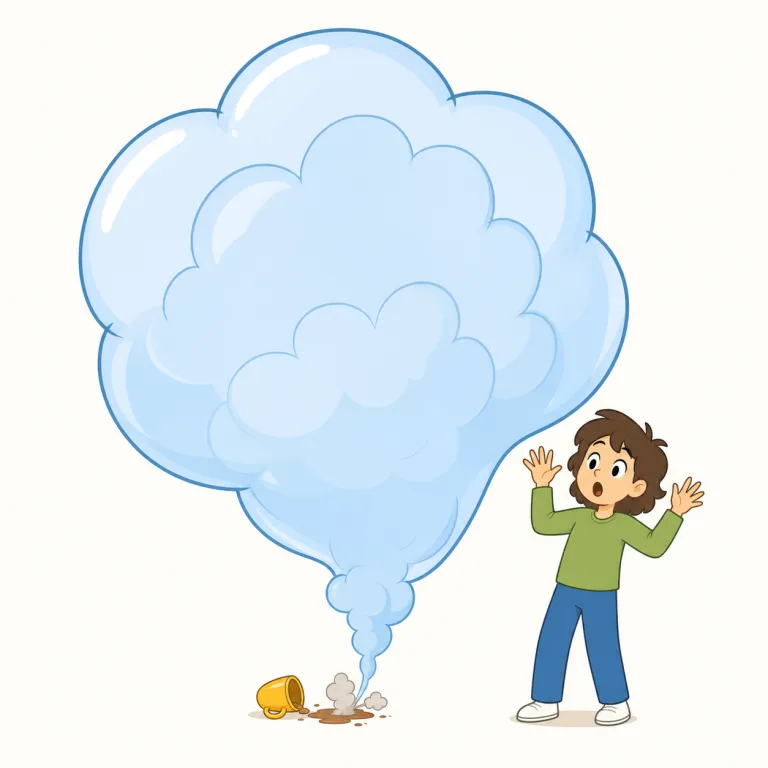
overblown
overblown は英検1級レベルの英単語で、「大げさな」という意味があります。発音記号は /ˌoʊvɚˈbloʊn/ です。
大げさな
解説 Definition
事実より大げさに、または過度に表現されているという意味です。実際の重要性や規模よりも大きく見せられた、過剰に強調された状態を表します。
Overblown describes something that is made to seem more important, serious, or impressive than it really is. It is often used for reactions, claims, reports, or styles that feel exaggerated.
覚え方のコツ Memory Tip
まず `over-` を「やりすぎ・過剰」と覚えると入りやすいです。`overcook` や `overreact` と同じで、`overblown` も「ふくらませすぎた」イメージから、話・評価・反応が実物以上に大きいことを表します。人そのものより、`an overblown story / claim / reputation` のように「説明や評判が盛られている」ときに出やすい語です。単に `big` ではなく、「誇張されている」という批判的な響きがある点を押さえると残ります。
Use the prefix `over-` as your key: it often means too much, like in `overreact` or `overcook`. Then imagine something being blown up bigger than it really is. That makes phrases like `overblown story`, `overblown claim`, or `overblown reputation` easy to remember.
例文
The news report seemed overblown and exaggerated the minor incident.
その報道は大げさで、ささいな出来事を誇張しているように思えました。
His claims about the company's problems were overblown and inaccurate.
会社の問題についての彼の主張は大げさで不正確でした。
The media's overblown coverage of the celebrity scandal was unnecessary.
セレブのスキャンダルをめぐるメディアの大げさな報道は不要だった。
overblown の類義語・関連語
overblown の語源・成り立ち Etymology
overblownはover-「越えて」+ blow「ふくらむ」で、古英語由来のblowの過去分詞形です。もとは風船のように「ふくらみすぎた」で、話や評価が実物以上に大きい、つまり大げさだと分かります。近縁語にblowup、blowoutがあります。
Overblown combines over- with blown, the past participle of blow, an Old English word. It first had the literal sense of something blown up too much, like an object filled with too much air. From there it came to mean something made larger or more important than it really is; compare blowup and blowout.
同じレベルの語彙をもっと
英検1級の一覧へ →外部辞書で調べる
この英単語をクイズで覚えよう