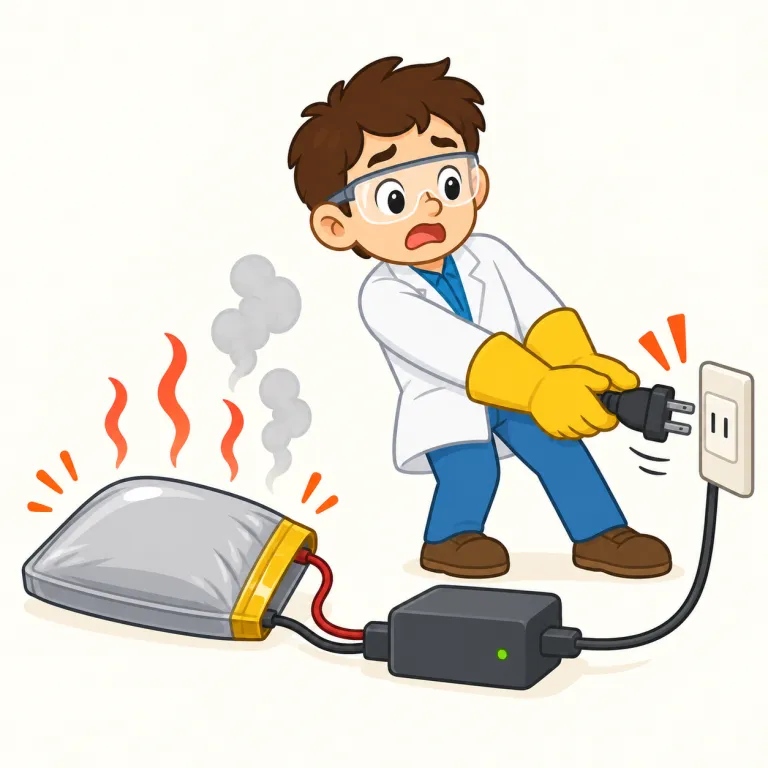
過大請求、過充電
解説 Definition
商品やサービスに相場や適正額を超える料金を請求すること、または電池や機器を必要以上に充電しすぎることを指す。前者は不当な請求、後者は発熱・劣化・故障の原因となり、文脈によってどちらの意味かが決まる。
Overcharging can mean asking someone to pay too much for a product or service. It can also mean putting too much electric charge into a battery or device. The correct meaning usually depends on whether the context is money or electricity.
覚え方のコツ Memory Tip
charge はまず「料金を請求する」と「充電する」の2本柱で覚えると整理しやすい語です。そこに over-「過度に、やりすぎ」が付くので、overcharging はそのまま「請求しすぎ」または「充電しすぎ」。文脈では overcharge a customer と overcharge a battery のように目的語で見分けると定着しやすいです。recharge は「再充電」、surcharge は「追加料金」なので、overcharging だけが“適正を超えている”というマイナスの含みを持つ点も一緒に押さえると混同しにくくなります。
First remember that `charge` has two common uses: asking for money and filling a battery. Then add `over-`, which means too much. That makes `overcharging` easy to spot in context: `overcharging a customer` or `overcharging a battery`.
例文
The mechanic was caught overcharging customers for basic maintenance services.
その整備士は、基本的なメンテナンスで客に過大請求していたことが発覚した。
Overcharging a lithium battery can cause it to overheat and potentially catch fire.
リチウム電池を過充電すると、過熱して発火するおそれがある。
The hotel faced a lawsuit for systematically overcharging guests during the peak tourist season.
そのホテルは、観光の繁忙期に宿泊客へ組織的に過大請求していたとして訴えられた。
overcharging の類義語・関連語
overcharging の語源・成り立ち Etymology
over-「過度に」+ charge「荷を載せる・料金を課す」。charge は古フランス語 charger、さらに後期ラテン語 carricare「車に積む」にさかのぼる。cargo や discharge も同根で、もとは「積む」が過充電の「負荷をかけすぎる」に通じる。
Overcharging combines over-, meaning "too much," with charge. Charge came into English through Old French charger from Late Latin carricare, meaning "to load onto a cart." Because charge first had the sense of loading or placing a burden, it later developed into meanings like asking too much money or putting too much electrical power into something; related words include cargo and discharge.
同じレベルの語彙をもっと
外部辞書で調べる
この英単語をクイズで覚えよう