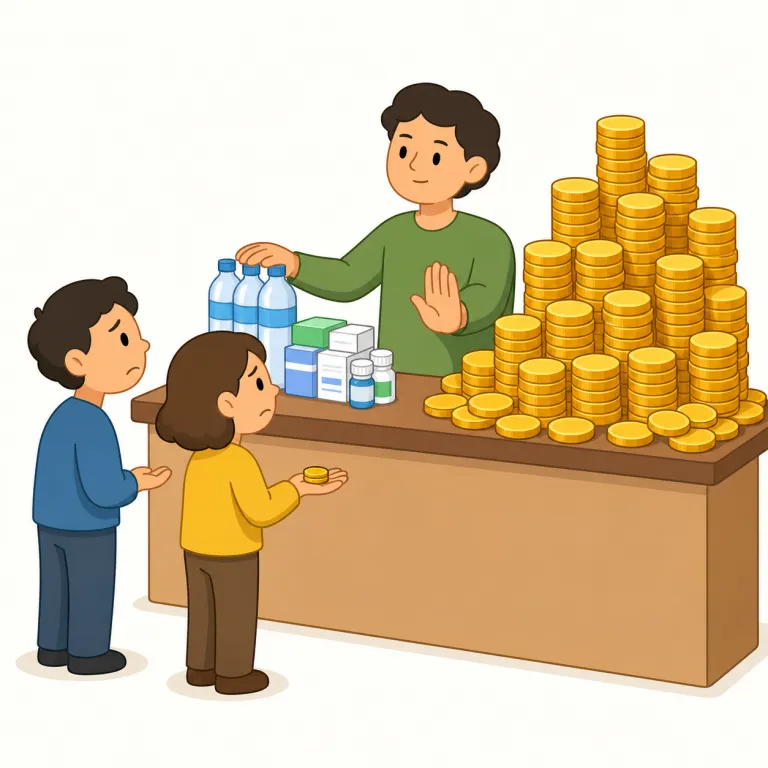
profiteering
profiteering はTOEIC 860・TOEFL 80・IELTS 6.5レベルの英単語で、「暴利行為」という意味があります。発音記号は /ˌprɑfəˈtɪrɪŋ/ です。
暴利行為
解説 Definition
社会不安や品不足、災害などの状況につけ込み、商品やサービスを不当に高値で売って過大な利益を得ようとする行為を指す名詞。倫理的に強く非難されることが多く、状況によっては違法行為として処罰の対象にもなる。
Profiteering is the act of making unfairly large profits, especially during a crisis or shortage. It is often used when someone raises prices too much because people are desperate or have no other choice. The word has a clearly negative meaning.
覚え方のコツ Memory Tip
まず `profit`「利益」が見えることを確認し、そこに `-eer` が付くと `profiteer` で「利益をあさる人」、さらに `-ing` でその行為全体になります。単なる `make a profit` の中立的な「利益を出す」と違い、`profiteering` は品不足・災害・戦時などに便乗してもうける強い非難語です。`war profiteering` `profiteering from the crisis` の形で覚えると、倫理的にまずい行為だと印象づけやすいです。
You can see `profit` inside it, which is the main memory hook. Then connect `profiteer` as a person chasing profit, and `profiteering` as that behavior. It usually appears in blaming contexts like `war profiteering` or `profiteering from a crisis`, which gives it a very negative tone.
例文
Profiteering during natural disasters is unethical and often illegal.
自然災害時の暴利行為は非倫理的で、しばしば違法でもある。
The retailer was fined for profiteering on essential goods during the pandemic.
その小売業者は、パンデミック中に必需品で暴利を得たとして罰金を科された。
Authorities are investigating companies for profiteering in the pharmaceutical industry.
当局は製薬業界における暴利行為について企業を調査している。
profiteering の類義語・関連語
profiteering の語源・成り立ち Etymology
`profiteering` は `profit` + `-eer` + `-ing` です。`profit` は古フランス語を経てラテン語 `proficere`「前進する・役立つ」に由来しますが、`-eer` が付くことで「利益をあさる人・行為」という悪い響きが強まりました。関連語は `profit`、`profitable`。
Profiteering is formed from profit with -eer and -ing. Profit came through Old French from Latin proficere, meaning "to make progress" or "be useful," but the ending -eer often gave a sharper sense of someone engaged in a certain activity. Over time, profiteering came to suggest chasing profit in an excessive or unfair way; related words include profit and profitable.
同じレベルの語彙をもっと
TOEIC 860の一覧へ →外部辞書で調べる
この英単語をクイズで覚えよう