パー
解説 Definition
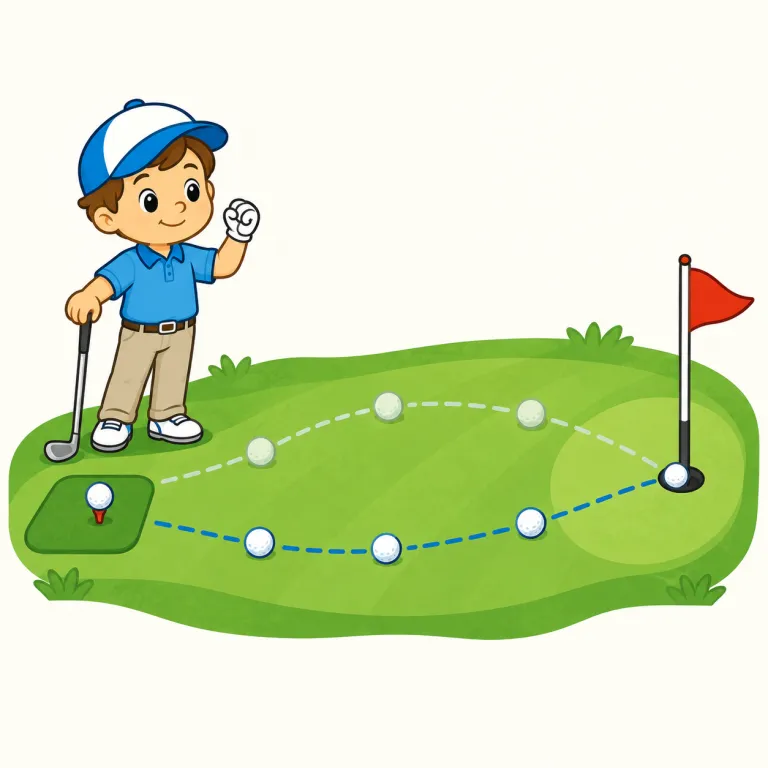
par はゴルフで、各ホールを終える標準打数を表す「パー」という意味です。日本語の「パー」と同じくゴルフでよく使われますが、英語では基準や標準という意味で使われることもあります。
In golf, par is the standard number of strokes that a skilled player is expected to need for a hole or an entire course. A player makes par by completing it in exactly that number of strokes.
覚え方のコツ Memory Tip
ゴルフでは各ホールの「標準打数」。par four は4打が基準、make par はその打数で上がることを表す。ラテン語 pār「等しい」につなげ、「実際の打数が基準と等しい」と覚える。under par は基準より少なく好成績、over par は多い。一般表現 up to par「標準に達して」も同じ核を持つ。
Think of par as the golf standard. On a par-four hole, four strokes are the expected number, and to make par is to finish in exactly four. The older idea behind the word is equality, so your score is “equal to the standard.” Under par means fewer strokes and therefore a better golf score; over par means more strokes. The same standard-based idea appears outside golf in “up to par,” meaning good enough or at the expected level. This connection keeps the golf sense distinct from pair, which means two matching things.
例文
This hole is a par four.
このホールはパー4です。
He made par on the last hole.
彼は最後のホールをパーで上がりました。
The course has several difficult par threes.
そのコースには難しいパー3のホールがいくつかあります。
par の語源・成り立ち Etymology
ラテン語 pār(等しい)から直接英語に入った語。「同等・基準」が原義で、ゴルフの規定打数や「額面通り」の意味に発展した。関連語に pair(対=等しい二つ)や compare(比較する=共に等しくする)がある。基準と同等=標準水準を示す。
Par comes from Latin pār, meaning “equal.” English first used it for equality of value or an established level, particularly in financial contexts such as par value. In the nineteenth century, golf adopted the word for the standard number of strokes expected on a hole or course. Thus the golf meaning preserves the central historical idea: a score at par is equal to the established standard.
同じレベルの語彙をもっと
外部辞書で調べる
この英単語をクイズで覚えよう