particle
particle は英検2級・TOEFL 80・IELTS 6.5レベルの英単語で、「粒子、助詞」という意味があります。発音記号は /ˈpɑːrtɪkəl/ です。
意味一覧 (2件)
粒子
解説 Definition
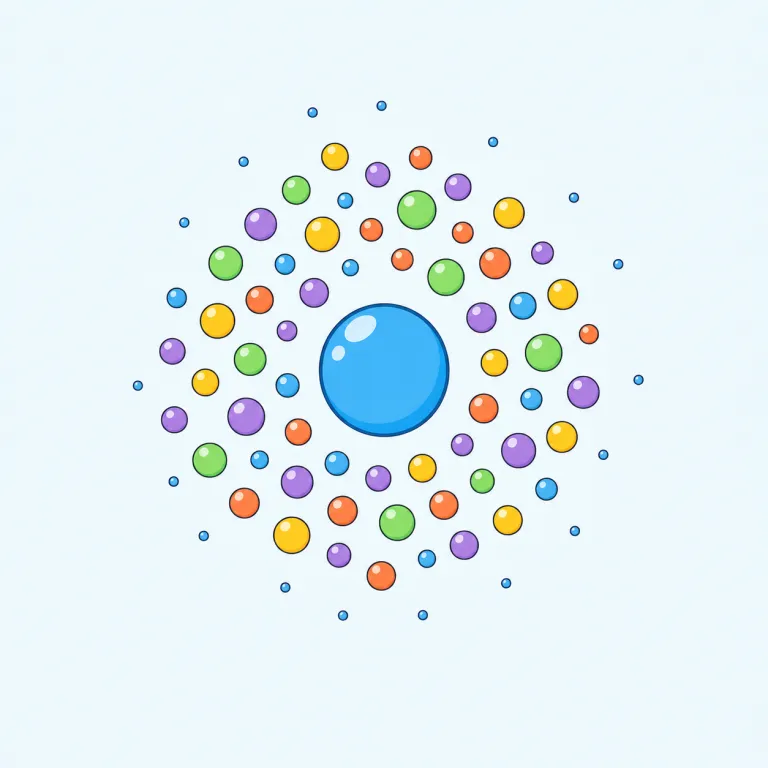
物質を構成する最小単位の一つで、原子や分子と密接に関連する概念です。物理学や化学では粒子のふるまいを調べることで物質の性質を理解しようとします。粒子は粒としての性質だけでなく波としての性質も示すことがあります。
A particle is a very small piece of something. It is often used in science for tiny units of matter, dust, or other substances in the air or in materials. The word can refer to things so small that they are hard or impossible to see.
覚え方のコツ Memory Tip
まず part『部分』を思い出すと入りやすいです。particle は『全体を作るごく小さな part』という感覚で覚えると、粒子の意味が自然につながります。理科では a particle of dust, subatomic particle, particle physics などでよく見ます。atom や molecule より広めに使える『小さな一単位』の語。particular とつづりがかなり似ていますが、こちらは『特定の』なので混同注意です。
Think of the simple word `part`. A `particle` is a very small part of something larger. It often appears in science phrases like `dust particles` or `subatomic particle`, and be careful not to confuse it with the similar-looking `particular`.
例文
A particle can be as small as an atom.
粒子は原子ほど小さいこともある。
Tiny particles move through the water.
小さな粒子が水の中を動く。
Small dust particles float in the sunlight.
小さなほこりの粒子が日差しの中を漂う。
助詞
(意味 2)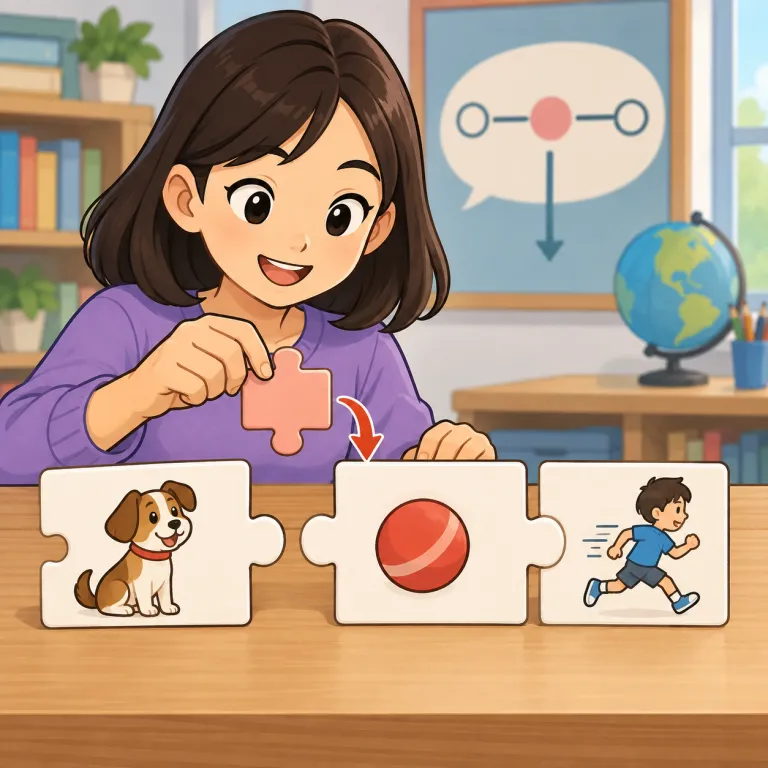
解説 Definition
文法で、名詞や文全体に付いて関係や機能を示す短い語を指す。日本語の「は」「が」「を」のように、主題・主語・目的語などの役割を表すときによく使われる。
A short grammatical word used with another word or a whole sentence to show its role or function. Japanese examples include wa, ga, and o, which help mark the topic, subject, or object.
覚え方のコツ Memory Tip
まず part『部分』を思い出すと入りやすいです。particle は文法では、文の中に付いて働きを示す『小さな part』と考えると助詞の意味につながります。Japanese particle, topic particle, the particle wa のように、「は」「が」「を」などが文全体の役割を決める場面で使います。理科の particle「粒子」ではなく、文の中の小さな機能語、と切り分けると混同しにくいです。
Think of part and picture a tiny part of a sentence doing an important grammatical job. Connect Japanese particle and topic particle with words such as wa, ga, and o.
例文
In Japanese, "wa" is often called a topic particle.
日本語では「は」はよく話題を示す助詞と呼ばれる。
The teacher explained how the particle changes the meaning of the sentence.
先生はその助詞が文の意味をどう変えるか説明した。
Some languages use a particle instead of changing the verb ending.
言語によっては動詞語尾を変える代わりに助詞を使う。
えいたんごクイズでの正答率
この語をはじめて出題された 31人 のうち 11人 が正解しました(35%)。
えいたんごクイズの回答から集計した独自データです。1人につき最初に出題されたときの1回だけを数えており、復習や2回目以降の回答、「わからない」と時間切れは含みません。 集計時点は 2026年9月19日 です。
particle の類義語・関連語
派生語
particle の語源・成り立ち Etymology
particleはラテン語particula「小さな部分」に由来し、pars「部分」に縮小辞-culaが付いた語です。『全体を細かく分けた一片』という感覚が、粒子や微粒子の意味につながります。partやparticularも同じpars系です。
Particle comes from Latin particula, meaning "small part," based on pars, meaning "part." It originally referred to a very small piece of a whole. That idea later became the scientific sense of a tiny unit or bit of matter. Related words include part and particular.
同じレベルの語彙をもっと
英検2級の一覧へ →外部辞書で調べる
この英単語をクイズで覚えよう