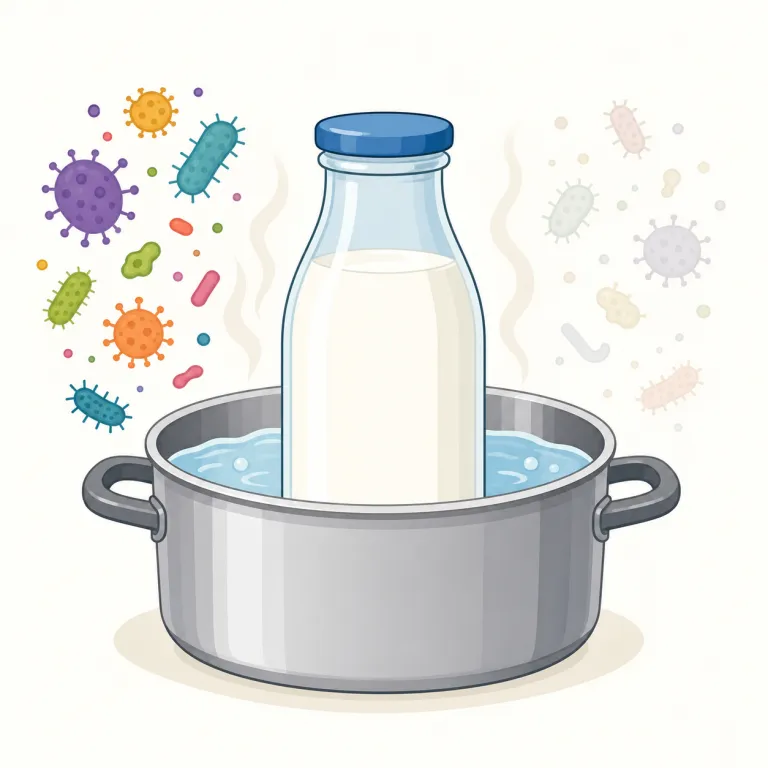
低温殺菌
解説 Definition
低温殺菌。液体(特に牛乳)を比較的低い温度で加熱して、有害な微生物を減らす処理方法。
Pasteurization is the process of heating food or drink, especially milk, to kill harmful bacteria and make it safer. It is commonly used in food production and public health. The process reduces germs without making the product completely sterile.
覚え方のコツ Memory Tip
pasteurization は長く見えますが、まず pasteurize(低温殺菌する)を中心に置き、-ization を「処理・工程」を表す語尾としてまとめて覚えると整理しやすいです。記憶の軸は milk, cheese, dairy products で、スーパーの "pasteurized milk" 表示や食品工場の加熱工程を思い浮かべると定着します。sterilization が「できるだけ無菌化する」方向なのに対し、pasteurization は「品質を大きく損なわず、有害な微生物を減らす比較的穏やかな加熱処理」という差で押さえると混同しにくいです。
Focus on the core verb `pasteurize`, then see `-ization` as the process or treatment. It is easiest to remember with food words like `milk`, `cheese`, and `dairy products`, especially the label `pasteurized milk`. Compare it with `sterilization`: the two are related, but not the same process.
例文
Pasteurization makes milk safer by killing harmful bacteria.
低温殺菌は有害な細菌を殺すことで牛乳をより安全にする。
Pasteurization heats milk to reduce harmful bacteria.
低温殺菌では、牛乳を加熱して有害な細菌を減らす。
Most dairy products undergo pasteurization before reaching consumers.
ほとんどの乳製品は、消費者の手に渡る前に低温殺菌される。
pasteurization の類義語・関連語
pasteurization の語源・成り立ち Etymology
pasteurization はフランスの化学者 Pasteur の名に、英語の名詞化接尾辞 -ization が付いた語です。人名の奥にはラテン語 pastor「羊飼い」があり、「有害なものから守る処理」と思うと覚えやすく、pastor や pastoral も同根です。
Pasteurization is named after the French scientist Louis Pasteur, with the English noun ending -ization. Pasteur is a family name linked in the end to Latin pastor, meaning "shepherd." The term came to mean a protective treatment that guards food and drink from harmful microbes; related words from the older root include pastor and pastoral.
同じレベルの英単語をもっと
外部辞書で調べる
この単語を英単語クイズで覚えよう