均質化
解説 Definition
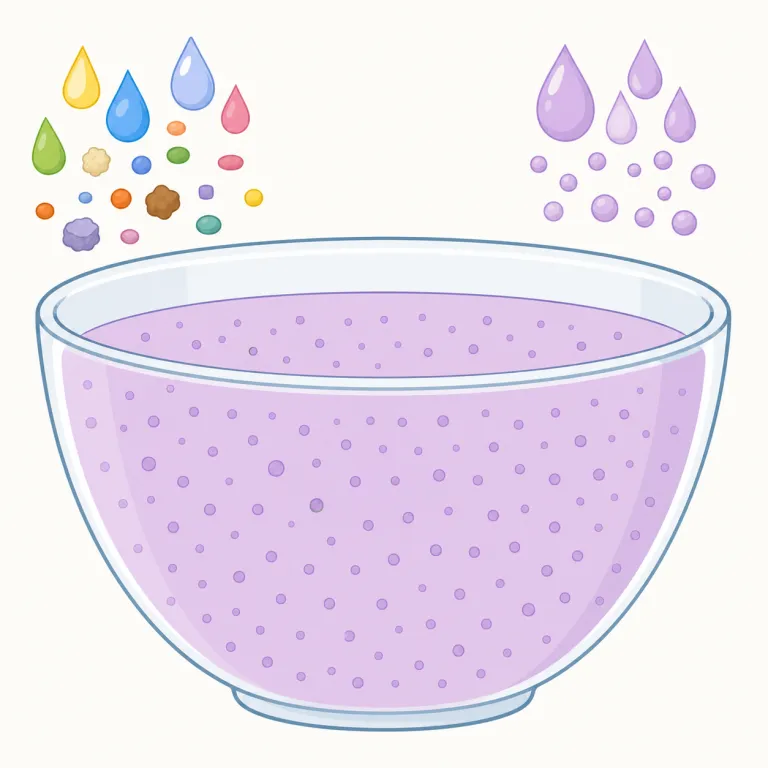
異なる要素を均一に混ぜ合わせるプロセス。特に液体や混合物を一定の組成にする過程。
Homogenization is the process of making things more similar or more uniform. It can be used in social, cultural, scientific, or industrial contexts, depending on what is being made more alike.
覚え方のコツ Memory Tip
まず `homogeneous`(均一な)を知っていると覚えやすい語です。`homogenization` はそこに `-ization`「〜化・その過程」が付いた形で、「均一な状態にしていくこと」と読めます。`homogenize` が動詞、`homogenization` が名詞。頻出は `homogenization of milk` や `cultural homogenization`。物理的に混ぜて均一にする場面にも、文化や社会が画一化する話にも使える、と場面ごと覚えると定着します。`homogeneity` は「均質性」という性質そのもので、過程ではない点に注意。
Build it from `homogeneous`, which means "uniform" or "all the same." Then add `-ization`, which often means "the process of making something become that way." It helps to remember both a physical example like `homogenization of milk` and a social one like `cultural homogenization`.
例文
Homogenization of milk ensures uniform fat distribution throughout the product.
牛乳を均質化すると、製品全体の脂肪分が均一になる。
The pharmaceutical company uses homogenization to create consistent medicinal solutions.
製薬会社は、組成の均一な薬液を作るために均質化を行う。
Homogenization makes the mixture uniform but requires special equipment and careful temperature control.
均質化によって混合物は均一になるが、特殊な機器と厳密な温度管理が必要だ。
homogenization の類義語・関連語
homogenization の語源・成り立ち Etymology
homogenization は homo-「同じ」+ gen「種類・生まれ」+ -ize + -ation から成る語です。核はギリシャ語 homogenes「同種の」で、「違いをならして同じ種類のものにする」という発想から「均質化」の意味になりました。関連語は homogeneous, generic です。
Homogenization comes from homo- meaning "same," a root related to genus or kind, and the endings -ize and -ation. It goes back to Greek homogenes, meaning "of the same kind." From that, the word came to mean the process of making different things more uniform or alike; compare homogeneous and generic.
同じレベルの語彙をもっと
外部辞書で調べる
この英単語をクイズで覚えよう