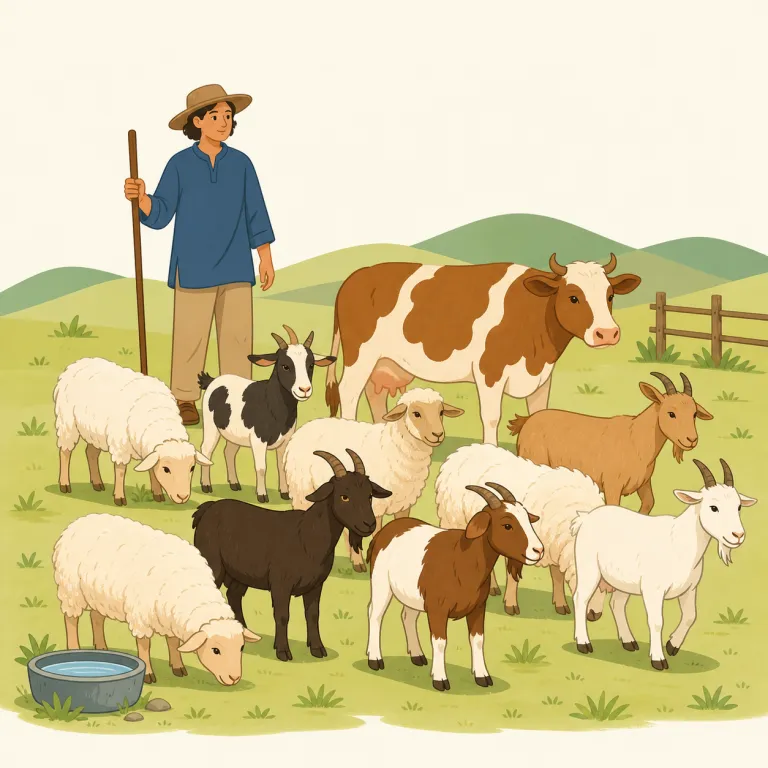
牧畜
解説 Definition
家畜の遊牧や放牧を主要な生業とする経済形態。また、田園的で素朴な生活様式や文化を理想化する傾向。
Pastoralism is a way of life or economic system based on raising animals such as sheep, goats, or cattle. It is common in places where people move with their animals to find grass and water. The word is often used in geography, anthropology, and history.
覚え方のコツ Memory Tip
pastoralism は、まず pastoral をひとかたまりで覚えると楽です。pastoral は「牧歌的な」「牧畜の」で、pasture(牧草地)や pastor と並べると、“家畜を連れて草地で暮らす世界”がまとまって見えます。そこに -ism が付いて「その営み・制度・あり方」。agriculture が農耕中心なのに対し、pastoralism は家畜中心の生活。nomadic pastoralism, pastoralist communities などの形でも見かけます。なお pastoral には「田園的」の意味もあるので、経済・人類学の文脈では『牧畜』寄りと意識すると混同しにくいです。
Build it from `pastoral` plus `-ism`. `Pastoral` connects well with `pasture`, so it gives a strong image of animals and grassland. Then `-ism` helps you remember it as a system, way of life, or social pattern rather than just one action.
例文
Pastoralism supports communities through the herding of livestock.
牧畜は、家畜を放牧することで地域社会の暮らしを支えている。
Nomadic pastoralism shaped the culture of Central Asia.
遊牧牧畜は中央アジアの文化を形作った。
Some poets romanticized pastoralism in their works.
一部の詩人は作品の中で牧歌的生活を理想化した。
pastoralism の類義語・関連語
派生語
紛らわしい語
pastoralism の語源・成り立ち Etymology
pastoralism は pastoral「牧者・牧畜の」+ -ism「主義・制度」から成り、pastoral はラテン語 pastor(羊飼い)に由来します。もともと「羊飼いに関するもの」から、「家畜を飼って暮らす営み・牧畜制度」という意味へ広がりました。関連語は pastor, pasture。
Pastoralism comes from pastoral plus the suffix -ism. Pastoral goes back to Latin pastor, meaning "shepherd," and is related to pasture. It first described things connected with shepherds, then grew into the idea of a social or economic system based on raising livestock. Related English words include pastor and pasture.
同じレベルの語彙をもっと
外部辞書で調べる
この英単語をクイズで覚えよう