害悪、災い
noun 名詞社会に広がって深刻な害を及ぼす悪弊や邪悪な影響を、疫病になぞらえて表す比喩的な語義です。the pestilence of ... の形などで、文学的・修辞的な文脈に用いられます。
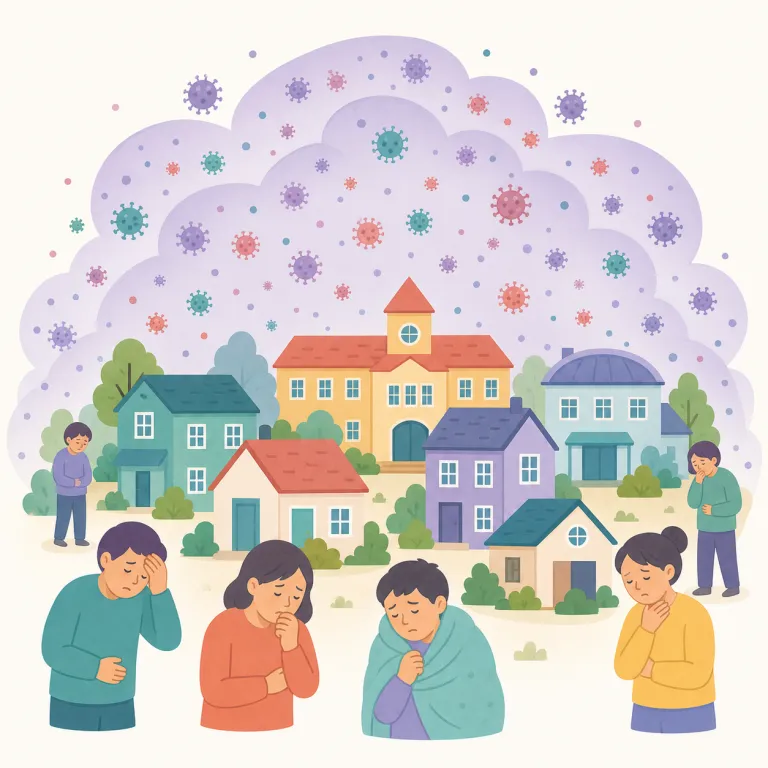
致命的な病原体が広範囲に急速に広がり、多数の死者を出す伝染病や疫災のことを指します。歴史的には黒死病のような社会全体をおおう破滅的な災厄として語られてきました。
Pestilence is a deadly infectious disease that spreads through a community or region. The word is often used in historical, religious, or literary writing to describe a serious plague or widespread illness.
`pest` を知っていると覚えやすい。pest は「害虫・やっかい者」だが、`pestilence` になると害が人間社会全体に広がる最悪級の災厄へ一気に拡大する。`-ence` は名詞語尾なので「有害さが広がっている状態」とつかむとよい。単なる `disease` より古く重く、`epidemic` よりも歴史書・宗教文脈で破滅感が強い。`plague/pestilence sweep through a city` のように、町や国をのみ込む場面と結びつけて覚える。
If you know `pest`, you already have the feeling of harm or trouble. `Pestilence` sounds like harm spreading on a much bigger, more serious scale, often across a whole city or country. It is heavier and more historical than `disease`, so connect it with phrases like `plague or pestilence swept through the city`.
The bubonic plague was a devastating pestilence in medieval Europe.
腺ペストは中世ヨーロッパを襲った壊滅的な疫病でした。
Pestilence claimed millions of lives throughout history.
疫病は歴史を通じて数百万人の命を奪いました。
The fear of pestilence led to the isolation of infected communities.
疫病への恐怖から、感染者が出た地域社会は隔離されました。
文脈によって、次の意味でも使われます。
社会に広がって深刻な害を及ぼす悪弊や邪悪な影響を、疫病になぞらえて表す比喩的な語義です。the pestilence of ... の形などで、文学的・修辞的な文脈に用いられます。
ラテン語 pestilentia「疫病・災厄」にさかのぼり、語幹は pestis「災い・疫病」、-ence は状態を表す語尾。同語根の pest や pesticide も「害をなすもの」を示し、単なる病気でなく社会に広がる災厄の響きが残る。
Pestilence comes from Latin pestilentia, meaning "plague" or "disaster," from pestis, "disease" or "curse." In English, it came to mean not just illness, but a deadly disease that spreads widely and harms whole communities. Related words such as pest and pesticide keep the idea of something harmful or destructive.
この英単語をクイズで覚えよう