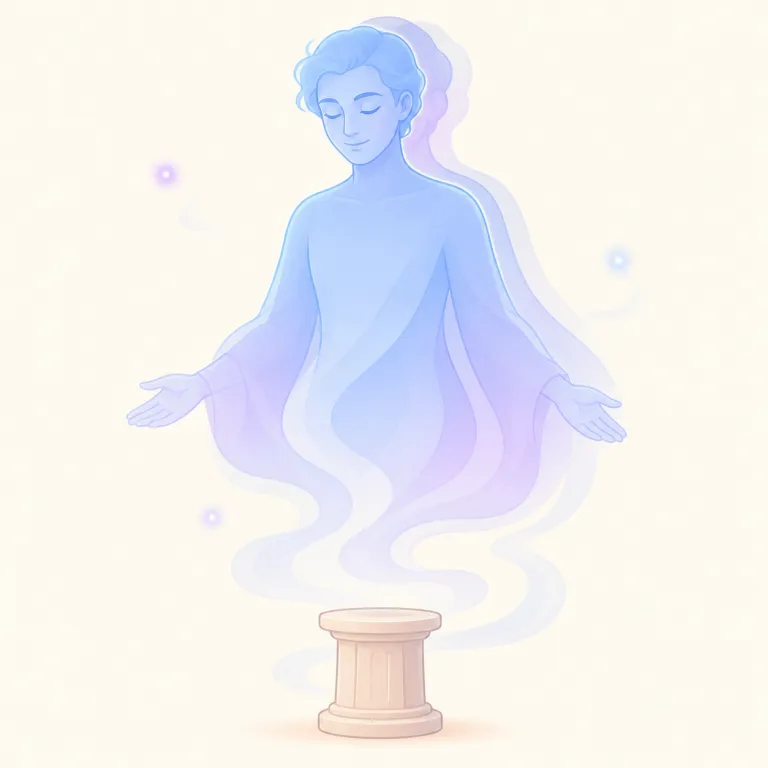
幻影
解説 Definition
実際には存在しない幻影や幻覚。心の中に現れる想像上の姿や亡霊のこと。
A phantasm is something seen or imagined that seems real but is not, such as a ghostly image or illusion. The word is often used in literary, psychological, or philosophical contexts.
覚え方のコツ Memory Tip
phantom を知っているなら、その古風・文学的な仲間が phantasm。どちらも「実体のない現れ」だが、phantom が幽霊・影そのものを指しやすいのに対し、phantasm は心が見せる幻像・幻覚という響きが強い。fantasy と同じく phant- は「見える像」を連想すると覚えやすい。現実の物ではなく、恐れや想像が作る像だと意識すると定着する。少し硬く文語的な語で、日常会話では ghost や illusion のほうが一般的。
Group it with `phantom` and `fantasy` because they share the `phant-` idea of an unreal image appearing. `Phantasm` feels more literary than `hallucination`. It often sounds like a ghostly image created by fear, exhaustion, or obsession.
例文
The phantasm of his deceased wife appeared to him every night in his dreams.
亡き妻の幻影が毎晩夢に現れた。
What he thought was a ghost turned out to be nothing more than a phantasm of his exhausted mind.
幽霊だと思ったものは、疲れ果てた心が生み出した幻覚に過ぎなかった。
The poet described love as a phantasm that fades when exposed to the light of reason.
詩人は愛を、理性の光にさらされると消えてしまう幻影と表現した。
phantasm の類義語・関連語
紛らわしい語
phantasm の語源・成り立ち Etymology
phantasm はギリシア語 phantasma「現れ・幻影」に由来し、語根 phainein は「見せる・現れる」を意味します。phantom や fantasy も近縁で、実体よりも「ふっと目に現れる像」が核だと思うと、幻覚という意味が腑に落ちます。
Phantasm comes from Greek phantasma, meaning an appearance or image, from the verb phainein, "to show" or "to make visible." The core idea was something that appears before the eyes rather than something solid and lasting. That sense later developed into an unreal or ghostly image. Related English words include phantom and fantasy.
同じレベルの語彙をもっと
外部辞書で調べる
この英単語をクイズで覚えよう