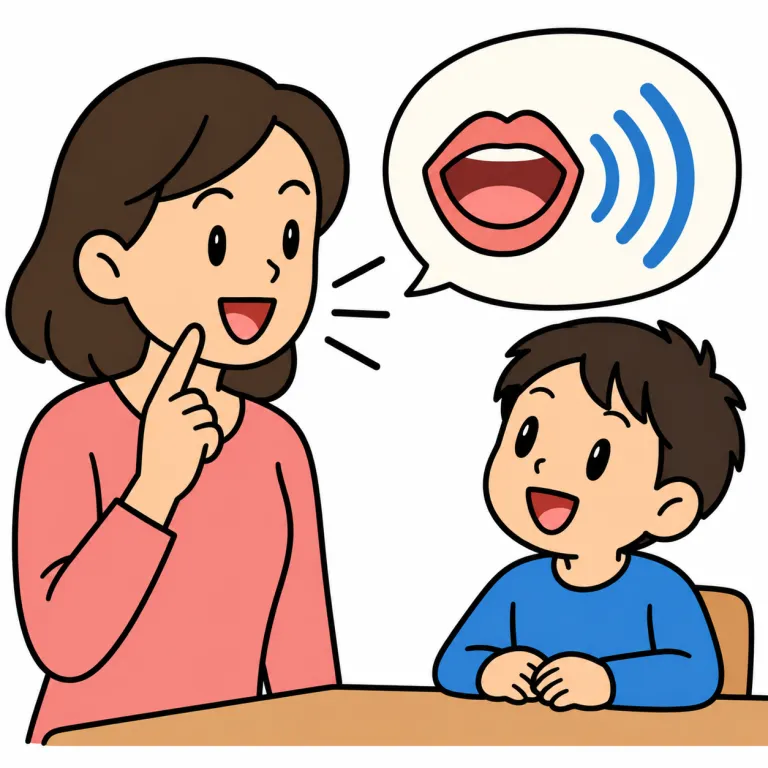
フォニックスの
adjective 形容詞文字と音の対応関係を用いて読み方を教えるフォニックス、またはその指導法に関する。phonic instructionやphonic methodのように、初期の読み書き教育を表す語句で使われる。
音声の、音に関する。声や音波に関連する形容詞。
Phonic means related to sound, especially speech sounds. It is often used in language learning, reading instruction, and linguistics. For example, it can describe the sound side of letters or words rather than their meaning.
phone, microphone, headphone などの phon- を見たら「音・声」が共通しているとまとめて覚えると定着しやすい。phonic はそこに -ic が付いた形で、「音に関する」という広めの形容詞。phonics(フォニックス)や phonetic と並べると記憶に残る。music や noise のように音そのものを言う語ではなく、「音声の説明・分析・教育」で出やすい語で、acoustic よりも発音・音声寄りの文脈を意識すると混同しにくい。
The `phon-` part is the key: think of `phone`, `microphone`, and `headphones`, all related to sound or voice. Then `-ic` turns it into an adjective, so it means "related to sound." It is easy to store in memory next to `phonics` and `phonetic`.
Phonic instruction helps children learn to read English words.
フォニックス指導は、子供が英単語の読み方を学ぶのに役立つ。
Many schools use phonic methods to teach early literacy.
多くの学校では、読み書きの基礎を教えるためにフォニックスを用いている。
The teacher used phonic exercises to improve the children's reading skills.
教師は子供たちの読解力を伸ばすため、音声に関する練習を取り入れた。
文脈によって、次の意味でも使われます。
文字と音の対応関係を用いて読み方を教えるフォニックス、またはその指導法に関する。phonic instructionやphonic methodのように、初期の読み書き教育を表す語句で使われる。
phonic はギリシャ語 phone「音・声」に、形容詞語尾 -ic が付いた語です。中心の phon- は「声として響く音」を表すので、phonic が「音声の・音に関わる」という意味になるのは語根をそのまま読めば納得できます。関連語は phonetics、symphony。
"Phonic" comes from the Greek word phone, meaning "sound" or "voice," with the adjective ending -ic. Its core root phon- refers to sound as heard or spoken. That gave the word the sense of being connected with speech sounds, as also seen in related words like "phonetics" and "symphony."
この英単語をクイズで覚えよう