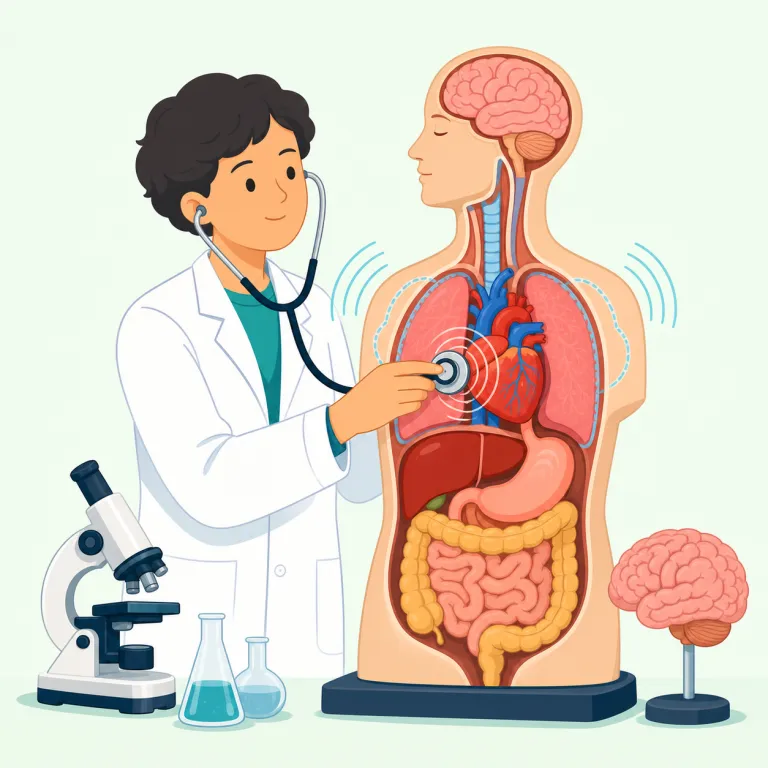
生理学者
解説 Definition
生物の体や臓器がどのように機能するかを研究する科学者。生理学の研究に従事する専門家。
A physiologist is a scientist who studies how living bodies work. This includes how organs, cells, and body systems function in humans, animals, or plants. The word is mainly used in biology and medical contexts.
覚え方のコツ Memory Tip
まず physiology(生理学)+ -ist(〜する人)で固めると覚えやすい語です。biology が「生き物全般」、anatomy が「体の構造」なら、physiology は「体がどう働くか」。そこから physiologist は「機能を調べる専門家」とつながります。heart, lungs, hormones など臓器や反応の“働き”を見る語だと意識すると定着しやすいです。physician(医師)とつづりも意味も近く見えるので混同注意。exercise physiologist のような使い方もよく出ます。
Break it into `physiology + -ist`. A physiologist is the person connected to physiology, and physiology focuses on how the body works, not just what body parts look like. Link it with phrases like `exercise physiologist` and with body functions such as the heart, lungs, and hormones. Be careful not to confuse it with `physician`, which looks similar.
例文
The physiologist studied how muscles respond to different types of exercise.
その生理学者は、筋肉がさまざまな種類の運動にどのように反応するかを研究した。
As a renowned physiologist, Dr. Johnson made significant contributions to understanding human metabolism.
著名な生理学者であるジョンソン博士は、ヒトの代謝の解明に大きく貢献した。
The physiologist conducted experiments to determine how the nervous system affects digestion.
その生理学者は、神経系が消化にどのように影響するかを調べるための実験を行った。
physiologist の類義語・関連語
派生語
physiologist の語源・成り立ち Etymology
physiologistはギリシャ語physis「自然」と-logist「研究する人」に由来し、自然の働きを調べる人が原義です。physiologyやphysicsも同じphy-を持つので、「生理学者」が本来は自然の仕組みを読む人だと見えてきます。
Physiologist comes from Greek physis, meaning "nature," and -logist, meaning a person who studies something. It originally meant someone who studies how natural processes work. Related words such as physiology and physics preserve the same Greek root about nature.
同じレベルの語彙をもっと
外部辞書で調べる
この英単語をクイズで覚えよう