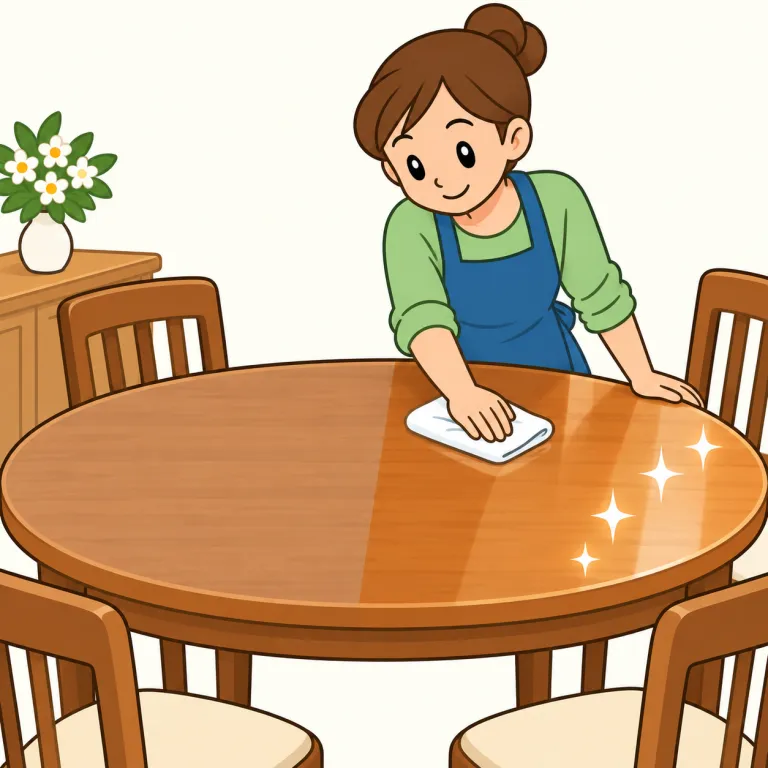
研磨
解説 Definition
polishing は polish(磨く、研磨する)の現在分詞・動名詞です。名詞としては、金属や石、文章などを磨いて滑らかにしたり仕上げたりする作業を表します。
Polishing is the process of rubbing or treating a surface to make it smooth, clean, and shiny. The noun can also refer more broadly to the final careful improvement of writing, skills, or other work.
覚え方のコツ Memory Tip
原形 polish「磨く」に -ing を付けた動名詞で、語末を変えず polishing /ˈpɒlɪʃɪŋ/ となります。the final polishing、need polishing のように、金属・石・家具の表面を滑らかで光沢のある状態に仕上げる作業を思い浮かべましょう。文章や技能を細部まで改善する比喩用法もありますが、ここでは実物の研磨が中心です。
Connect polishing with the base verb polish, “to make a surface smooth and shiny.” Simply add -ing; no spelling change is needed, and the result is pronounced /ˈpɒlɪʃɪŋ/ in British English. Imagine rubbing silver, stone, or a wooden table until dull marks disappear and light reflects from the surface. Common patterns include “the final polishing,” “need polishing,” and “polishing the silver.” The same image supports the figurative use: polishing a speech or piece of writing means improving its details until it feels finished and presentable.
例文
The table needs polishing before the guests arrive.
客が来る前に、そのテーブルは磨く必要があります。
Polishing the silver took more than an hour.
銀製品の研磨には1時間以上かかりました。
The final polishing made the stone smooth and bright.
最後の研磨で、その石は滑らかで明るい光沢を持つようになりました。
polishing の類義語・関連語
対義語
紛らわしい語
polishing の語源・成り立ち Etymology
polishing は polish「磨く」に名詞化の -ing が付いた語で、古フランス語 polir、さらにラテン語 polire「滑らかにする」が源です。表面をつるつるに整える動きがそのまま「研磨」の意味になったと考えると覚えやすいです。関連語は polite, polish。
Polishing is formed from polish and the noun-forming or participial suffix -ing. The verb polish entered English through Old French polir, from Latin polire, meaning “to make smooth” or “to polish.” Its original physical sense involved smoothing a surface by rubbing or other treatment. English later extended the idea to improving manners, language, skills, and completed work, as though rough edges were being removed from them.
同じレベルの語彙をもっと
外部辞書で調べる
この英単語をクイズで覚えよう