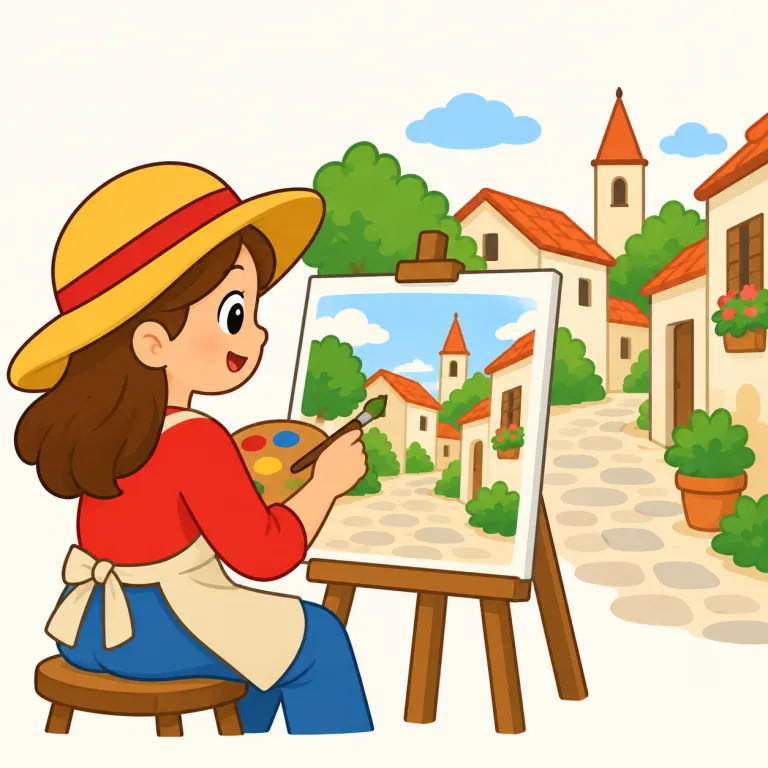
描写する
解説 Definition
portraying は portray(描写する、表現する)の現在分詞・動名詞です。人物、場面、感情などを文章・絵・演技などで表す場合に使われます。
Portraying is the present-participle or gerund form of portray. It describes representing a person, scene, emotion, or situation through writing, painting, film, or performance, including acting as a particular character.
覚え方のコツ Memory Tip
原形 portray「描写する・演じる」にそのまま -ing を付けた現在分詞・動名詞です。語末の y は母音字 a の後にあり、消したり i に変えたりしません。発音は portray /pɔːrˈtreɪ/ に /ɪŋ/ を続けます。portray a character in a film なら「役を演じる」、portray village life なら「生活を描く」と覚えましょう。
Build portraying from portray plus -ing. Because portray ends in vowel + y, keep the y and simply add the suffix; there is no change to i and no doubled consonant. Pronounce it as portray /pɔːrˈtreɪ/ followed by /ɪŋ/. The central image is making a person or situation visible to an audience. A novel can be portraying village life, a painting can be portraying a city at sunrise, and an actor can be portraying a doctor. The medium changes, but each case presents a recognizable representation.
例文
The novel is portraying village life in careful detail.
その小説は村の暮らしを細かく丁寧に描写しています。
She is portraying a young doctor in the film.
彼女はその映画で若い医師を演じています。
The painting is portraying the city at sunrise.
その絵は日の出のころの街を描いています。
portraying の類義語・関連語
対義語
紛らわしい語
portraying の語源・成り立ち Etymology
portraying は portray「描写する」の進行形で、語源は古フランス語 portraire、さらにラテン語 protrahere にさかのぼります。pro-「前へ」+ trahere「引く」で、「輪郭を引き出して見せる」から人物や状況を描く意味になりました。関連語は portrait, attract。
Portraying is formed by adding -ing directly to portray. Portray came through Anglo-French and Old French forms related to portraire, “to draw or depict,” ultimately from Latin protrahere, “to draw forth.” That Latin verb combines pro-, “forward,” with trahere, “to draw or pull.” The physical idea of drawing something forth developed into representing its appearance, character, or qualities in art, language, or performance.
同じレベルの語彙をもっと
外部辞書で調べる
この英単語をクイズで覚えよう