先行する
解説 Definition
precedes は、時間、順序、位置などで何かより前に来ることを表す動詞です。「A precedes B」は、A が B に先行する、または B の前に置かれるという意味になります。
Comes before something or someone else in time, order, position, or rank. Precedes is the third-person singular present form of precede, as in “An introduction precedes each chapter.”
覚え方のコツ Memory Tip
precede「先行する」の三人称単数現在形で、語末に -s を付け、発音は /z/ になります。pre-「前に」+ラテン語由来の ced「行く」と捉え、A precedes B を「Aが先に進み、Bが後に来る」と図式化しましょう。時間・順序・文章配置のいずれにも使えます。
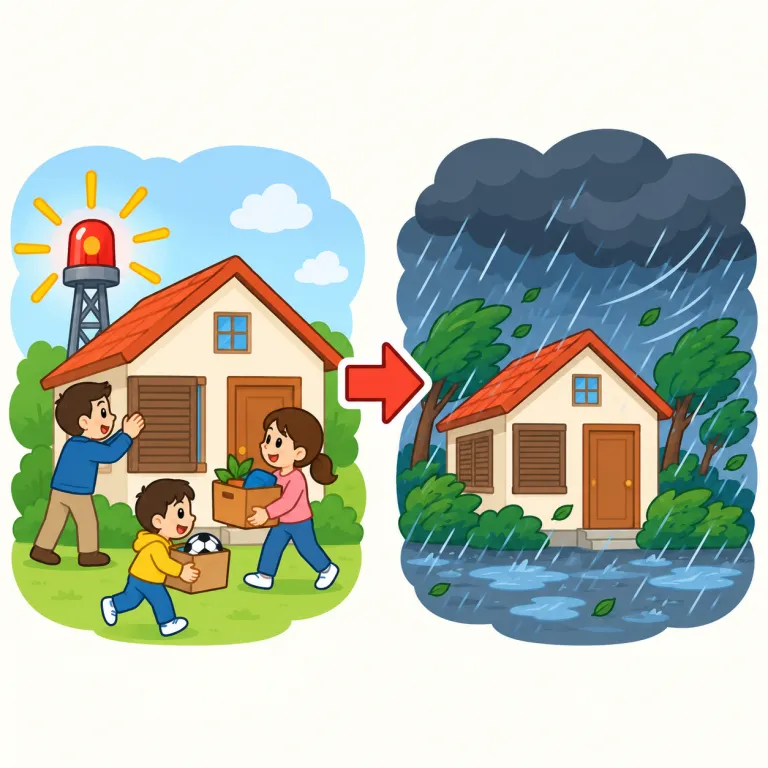
Precedes is the third-person singular present form of precede: add -s, pronounced /z/, because the verb ends in a voiced sound. Break the word conceptually into pre-, “before,” and the Latin-based element ced, “go.” In the pattern A precedes B, imagine A going ahead while B follows. This works for time, sequence, or position: a warning precedes a storm, B precedes C in the alphabet, and an introduction precedes a chapter. Contrast it with follows, which reverses the order.
例文
A short introduction precedes each chapter.
各章の前には短い導入文があります。
In the alphabet, B precedes C.
アルファベットでは、B は C に先行します。
The warning usually precedes a major storm.
その警報はたいてい大きな嵐に先立って出されます。
precedes の類義語・関連語
precedes の語源・成り立ち Etymology
ラテン語の「praecedere」に由来し、「pre-(前に)」と語根「ced(行く)」の合成語です。「他より先を行く」動きがそのまま「先行する」という意味に直結します。同じ語根の「proceed(進行する)」と対比すれば、前後の位置関係が明確になります。
Precedes is formed from precede plus the third-person singular ending -s. Precede entered English from Latin praecedere, composed of prae-, “before,” and cedere, “to go” or “move.” Its literal structure therefore suggests going before something else. The same Latin verb cedere lies behind several English words, but the prefix pre- is what gives precede its specific sense of being earlier in time, order, or position.
同じレベルの語彙をもっと
外部辞書で調べる
この英単語をクイズで覚えよう