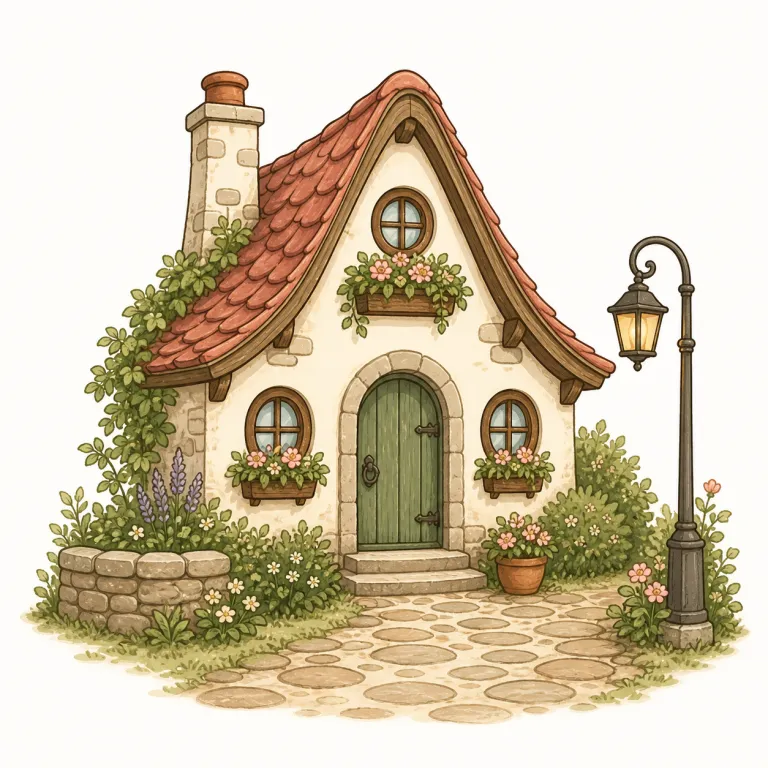
quaint
quaint は英検準1級レベルの英単語で、「古風で趣のある、愛らしい、趣のある」という意味があります。発音記号は /kweɪnt/ です。
意味一覧 (2件)
古風で趣のある、愛らしい
解説 Definition
古めかしさや昔ながらの雰囲気を残しながら、それがむしろ魅力やかわいらしさとして感じられる様子を表す形容詞。建物、町並み、店、習慣などについて「古風で味わい深い」「小さくて趣がある」という肯定的な響きで使われる。
Quaint means attractively old-fashioned, unusual, or simple in a charming way. It is often used for places, buildings, customs, or objects that feel from an earlier time. The word is usually positive, though sometimes it can suggest something seems slightly out of date.
覚え方のコツ Memory Tip
quaint は「古い」だけの old ではなく、古さそのものが charm になっている語だと覚えると残りやすい。小さな町、宿、店、家などに付きやすく、a quaint village / a quaint little shop の形でよく見る。modern や stylish の反対側にあるが、negative な outdated ほど批判的ではない。感覚としては “old but attractive”。odd や strange の「変だ」とは違い、少し昔風で、こぢんまりして、写真に撮りたくなるような愛らしさを結び付けると定着しやすい。
Remember `quaint` as more than just old. It usually suggests something old-fashioned in a charming, attractive way, often in phrases like `a quaint village` or `a quaint little shop`. Think `old but appealing`, not simply `strange` or `outdated`.
例文
We stayed in a quaint little inn by the harbor.
私たちは港のそばの古風で趣のある小さな宿に泊まった。
The town is full of quaint old houses.
その町には趣のある古い家がたくさんある。
She sells handmade soap in a quaint shop on the corner.
彼女は角にある古風で愛らしい店で手作り石けんを売っている。
趣のある
(意味 2)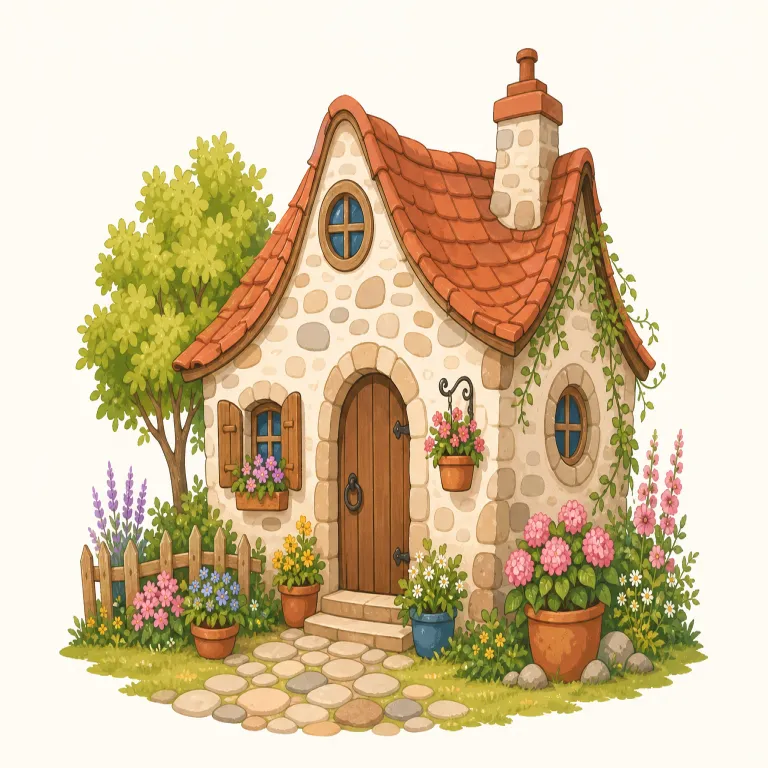
解説 Definition
趣のあるという形容詞は、古風でありながらも魅力的で、愛らしい独特の特性を持つことを表します。素朴な美しさや懐かしさを感じさせるもの、昔ながらの風情があるものを指します。
Quaint describes something that is attractively old-fashioned, small, or unusual in a charming way. It is often used for towns, houses, shops, or customs that feel traditional and pleasant rather than modern.
覚え方のコツ Memory Tip
quaint は、ただ『古い』ではなく『古風で、その古さが魅力になっている』と捉えると覚えやすい語です。new や modern の反対というより、small town, cottage, street, shop などに使われる“絵になる昔らしさ”。old-fashioned だけだと時代遅れにも聞こえますが、quaint には愛らしさ・親しみ・味わいがあるのが違い。a quaint village, a quaint little cafe のように、旅行先で見つける『小さくて風情のある場所』を思い浮かべると定着します。
Think of quaint as more than just old. It is the kind of old that feels charming in a small village, little cafe, or quiet street. Link it with phrases like `a quaint shop` or `a quaint cottage` to remember the warm, picture-like feeling.
例文
The quaint village with its narrow streets and old houses attracted many tourists.
狭い路地に古い家が並ぶ趣のある村は、多くの観光客を引きつけた。
She decorated her room with quaint antiques from the early 20th century.
彼女は20世紀初頭の趣のある骨董品で自分の部屋を飾った。
The quaint tradition of afternoon tea is still practiced in many British homes.
昔ながらの趣を残すアフタヌーンティーは、今も多くのイギリスの家庭で楽しまれている。
quaint の類義語・関連語
quaint の語源・成り立ち Etymology
quaint は古フランス語 cointe、さらにラテン語 cognitus(知られた)にさかのぼります。語源は「よく知られた・気の利いた」で、そこから「古風で味のある風変わりさ」へ意味がずれたのが面白い点です。関連語の acquaint や cognize にも「知る」の核が残ります。
Quaint came through Old French cointe and goes back to Latin cognitus, meaning "known." It is related to English words like acquaint and cognize, which keep the idea of knowing. Earlier senses were closer to "clever" or "refined," but over time the word shifted to mean attractively old-fashioned or oddly charming.
同じレベルの語彙をもっと
英検準1級の一覧へ →外部辞書で調べる
この英単語をクイズで覚えよう