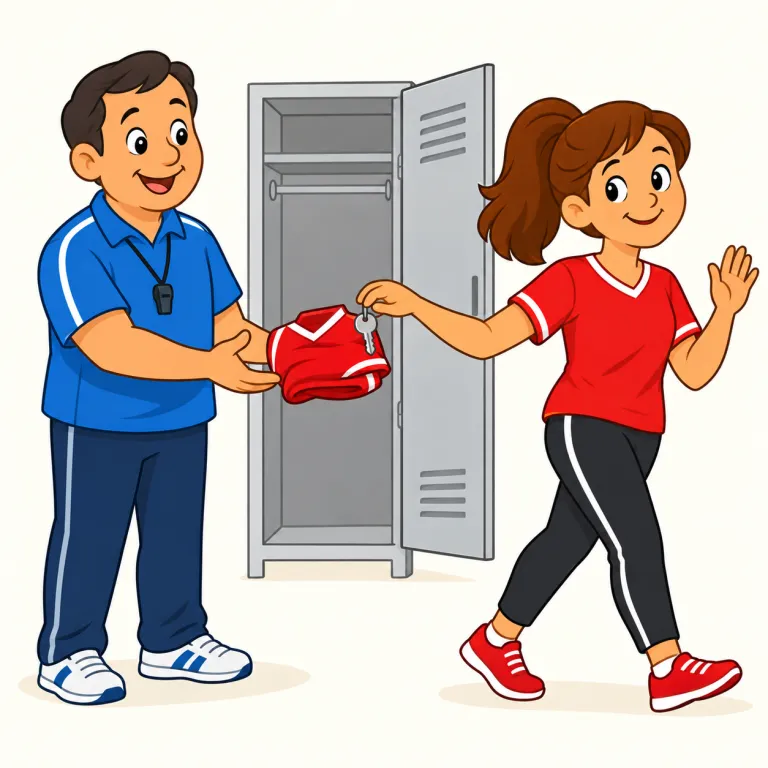
やめる
解説 Definition
quits は quit(やめる)の三人称単数現在形です。主語が he、she、it、または単数名詞のときに、仕事や活動をやめることを表します。
Quits is the third-person singular present form of quit. It means that a person or other singular subject stops a job, activity, habit, or membership, or leaves something permanently.
覚え方のコツ Memory Tip
quits は原形 quit の三人称単数現在形で、主語が he、she、it、単数名詞のときに -s を付けます。発音は /kwɪts/ で、語末は「ツ」に近い無声音です。「quit a job」「quit the team」のように、仕事・組織・活動をやめる場面と結びつけて覚えます。
Treat quits as the regular third-person singular present form of quit: I quit, but he quits. The ending is written -s and pronounced /s/ after the final /t/, giving /kwɪts/. Fix it in memory through common combinations such as quits a job, quits the club, and quits playing. The form describes what one person or singular subject does habitually, according to a schedule, or in a condition: if a player quits, the team needs a replacement. Do not confuse quits with quite, which has a different spelling, pronunciation, and meaning.
例文
He quits the club at the end of the month.
彼は月末にそのクラブをやめます。
She quits her part-time job tomorrow.
彼女は明日アルバイトをやめます。
If a player quits, the team needs a replacement.
選手がやめる場合、そのチームには代わりの人が必要です。
quits の類義語・関連語
quits の語源・成り立ち Etymology
quits は quit の活用形。語源は古フランス語 quitter、さらに中世ラテン語 quitare、ラテン語 quietus「自由な・静まった」にさかのぼります。もとは「義務や束縛から解放する」で、そこから「仕事や習慣をやめる」へ。関連語は quiet, acquit。
Quits is formed from quit by adding the third-person singular present ending -s. Quit entered English through Old French quitter and is connected with Medieval Latin quitare, “to free or release,” from Latin quietus, “at rest, free, or calm.” The sense developed from releasing someone from an obligation or claim to leaving or stopping an activity, job, or habit. The final -s in quits is the regular English inflection.
同じレベルの語彙をもっと
外部辞書で調べる
この英単語をクイズで覚えよう