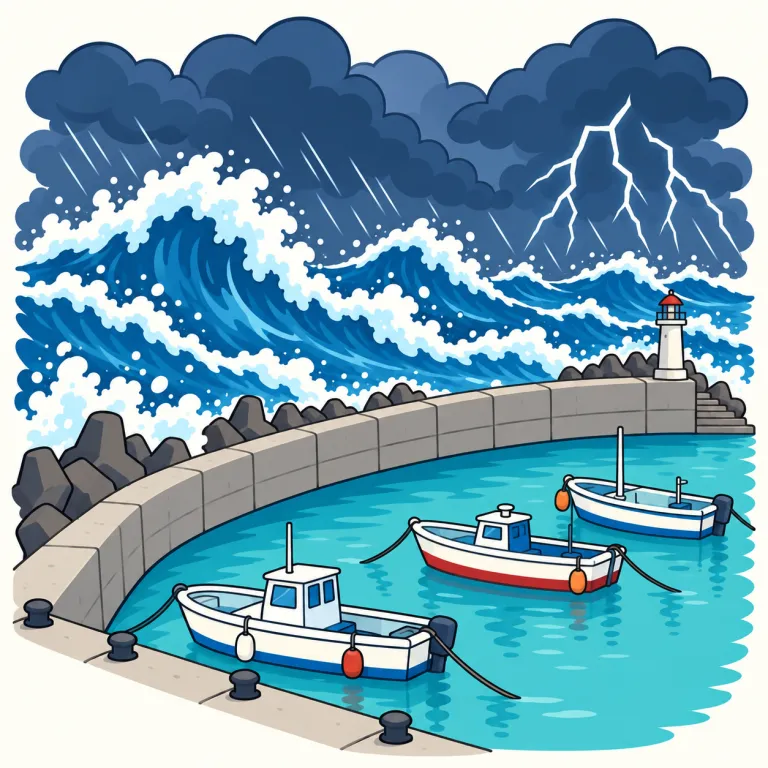
荒れ狂う
解説 Definition
raging は rage(激しく怒る、荒れ狂う)の現在分詞に由来する形容詞で、荒れ狂う、激しいという意味です。嵐・火・病気・怒りなど、勢いが強く抑えにくいものを表すときに使われます。
Extremely fierce, violent, or difficult to control, especially when describing a storm, fire, wind, illness, or strong emotion. It presents the force or condition as actively continuing at great intensity.
覚え方のコツ Memory Tip
raging は rage の語末の黙字 e を落として -ing を付けた形で、発音は /ˈreɪdʒɪŋ/ です。形容詞では、制御しにくいほど激しい力が続く様子を表し、a raging storm、raging fire、raging wind と自然現象によく使います。単なる strong より「荒れ狂って抑えられない」という動きのある像で覚えましょう。
Begin with the verb rage, meaning to act with violent anger or force. To form raging, drop the final silent e before adding -ing; pronounce it /ˈreɪdʒɪŋ/. As an adjective, it transfers the uncontrolled energy of rage to powerful things: a raging storm, raging fire, raging wind, or raging fever. Imagine a force that is not merely strong but actively surging beyond easy control. Fierce describes intensity more generally, while raging adds a sense of continuing, turbulent activity. Keeping these vivid noun combinations together will make the adjective easier to retrieve.
例文
A raging storm kept the boats in the harbor.
荒れ狂う嵐のため、船は港にとどまりました。
The firefighters worked through the raging fire.
消防士たちは荒れ狂う火の中で作業しました。
People stayed inside while the raging wind shook the windows.
荒れ狂う風が窓を揺らす間、人々は屋内にいました。
raging の類義語・関連語
派生語
紛らわしい語
raging の語源・成り立ち Etymology
raging は rage + -ing。rage は古フランス語 rage を経てラテン語 rabies「狂気・激しい怒り」に由来し、rabere「狂ったようにわめく」と結びつきます。だから「荒れ狂う」は、ただ怒るのでなく、理性を失うほど激しい感じです。関連語はrabid, rabies。
Raging is formed from rage by dropping the final silent e and adding -ing. Rage entered English through Old French rage from Latin rabies, “madness, frenzy, or violent anger,” related to the verb rabere, “to rave or be mad.” Used as a participial adjective, raging preserves the idea of uncontrolled intensity and extends it beyond human anger to storms, fires, winds, diseases, and other forces that seem violently active.
同じレベルの語彙をもっと
外部辞書で調べる
この英単語をクイズで覚えよう