ひどく不快な、悪趣味な
adjective 形容詞発言、冗談、雰囲気などが極めて不快、下品、または道徳的に嫌悪すべきであることを比喩的に表します。食品の油脂が傷んだ状態から派生した用法で、単に質が悪いというより強い嫌悪感を伴います。
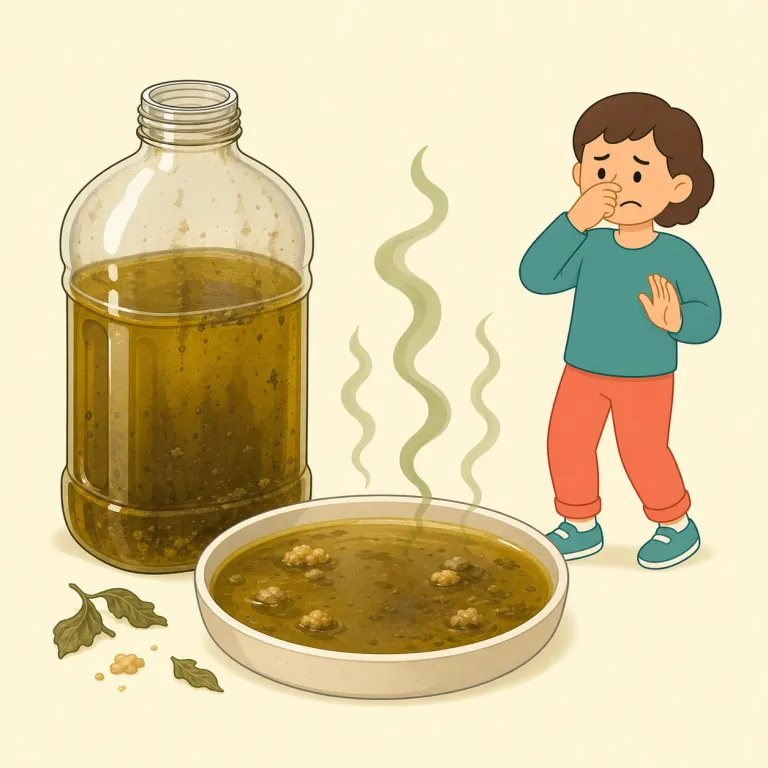
油や脂肪を含む食品が古くなったり酸化したりして、腐ったような不快なにおいや味が出ている状態を表す。特にバター、食用油、ナッツなどが傷んだときに使われ、単に臭いだけでなく油脂の劣化が原因であることを含意する語である。
Rancid describes oil, fat, or food that has gone bad and developed a strong, unpleasant smell or taste. It is mainly used for butter, nuts, meat, and cooking oils rather than all kinds of spoiled food.
stale は鮮度落ち、spoiled は食べ物全般がダメ、rotten は腐敗全般。それに対して rancid は、butter, cooking oil, nuts など脂肪分のある物が酸化して、鼻につく不快なにおいや味が出た状態の専用語として覚えると強いです。go rancid, taste rancid, rancid oil をまとめて押さえ、『古い油のにおいがする』具体場面と結び付けると混同しにくくなります。
Use this word for fat-based foods like oil, butter, or nuts, not food in general. `Rancid` often appears in phrases like `rancid oil` or `go rancid`. Picture the unpleasant smell of old cooking oil, and the word becomes much easier to remember.
The rancid smell indicated the butter had spoiled.
油が酸化したような嫌なにおいで、バターが傷んでいると分かった。
Storing oil in a cool place prevents it from becoming rancid.
油は涼しい場所に保存すると、酸化して腐るのを防げる。
The chef discarded the rancid nuts immediately.
シェフは酸化して傷んだナッツをすぐに捨てた。
文脈によって、次の意味でも使われます。
発言、冗談、雰囲気などが極めて不快、下品、または道徳的に嫌悪すべきであることを比喩的に表します。食品の油脂が傷んだ状態から派生した用法で、単に質が悪いというより強い嫌悪感を伴います。
rancid はラテン語 rancidus「腐って悪臭を放つ」に由来し、語幹 ranc- に「鼻をつく不快さ」がこもります。rancor や rancidity も同系で、単なる腐敗より「嫌な臭いまで立つ」感覚があるのでこの意味になります。
Rancid comes from Latin rancidus, meaning "stinking" or "rotten." Its root carries the sense of an unpleasant smell, not just decay by itself. That is why the word came to describe food that has gone bad in a way you can strongly smell. Related English words include rancor and rancidity.
この英単語をクイズで覚えよう