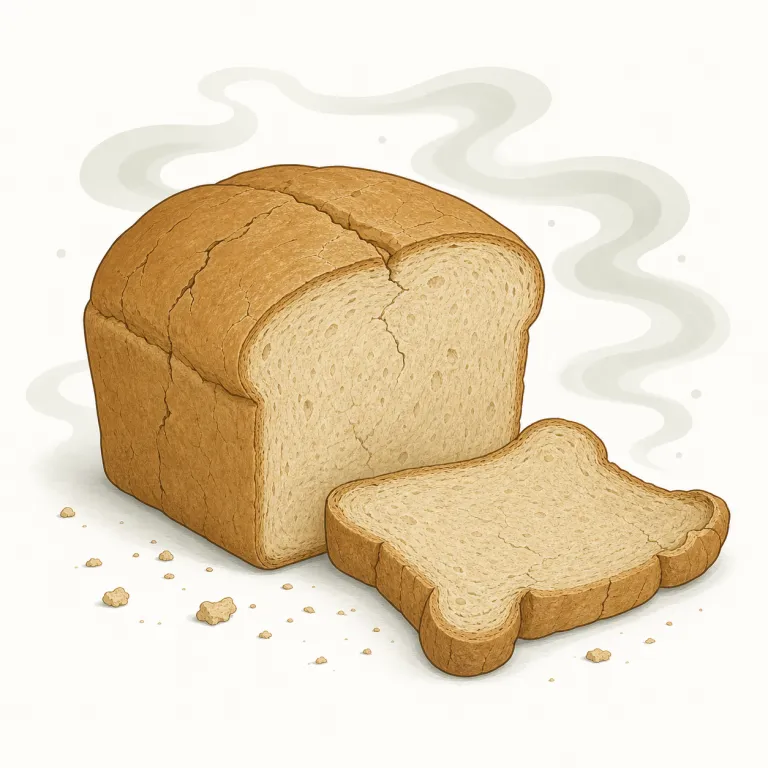
stale
stale は英検準1級・TOEIC 990・TOEFL 100・IELTS 7.5レベルの英単語で、「鮮度が落ちた、よどんだ、マンネリ化した」という意味があります。発音記号は /steɪl/ です。
鮮度が落ちた
解説 Definition
パンや菓子などの食品が、時間の経過によって新鮮さ、香り、食感を失った状態を表す。必ずしも腐っているという意味ではない。
Stale describes food that has lost its freshness, flavor, or pleasant texture after being left for too long. It does not necessarily mean that the food is rotten or unsafe.
覚え方のコツ Memory Tip
stale は、パンやクラッカーなどが時間の経過で香りや食感を失い、「鮮度が落ちた」状態を表す。go stale で「鮮度が落ちる」、taste stale で「古くなった味がする・しけた味がする」。rotten「腐った」ほど強くなく、食べ物が必ずしも腐敗しているとは限らない。
Learn stale bread as the opposite of fresh bread. Picture food that has been left out and has lost its flavor or texture; unlike rotten, stale does not necessarily mean decayed.
例文
The bread went stale overnight.
そのパンは一晩で鮮度が落ちた。
These crackers taste stale.
このクラッカーはしけた味がする。
She threw away the stale cake.
彼女は鮮度の落ちたケーキを捨てた。
えいたんごクイズでの正答率
この語をはじめて出題された 34人 のうち 24人 が正解しました(71%)。
えいたんごクイズの回答から集計した独自データです。1人につき最初に出題されたときの1回だけを数えており、復習や2回目以降の回答、「わからない」と時間切れは含みません。 集計時点は 2026年9月19日 です。
よどんだ
(意味 2)
解説 Definition
室内の空気が十分に入れ替わらず、こもって新鮮さを失った状態を表す。換気されていない部屋などの空気について用いる。
Stale describes air that is no longer fresh because it has remained in an enclosed or poorly ventilated place.
覚え方のコツ Memory Tip
空気についてのstaleは、換気されず室内にこもり、新鮮さを失って「よどんだ」状態を表します。stale airという組み合わせが典型で、warm and staleなら「暖かくよどんだ」となります。窓を開けてclear the stale air「よどんだ空気を入れ替える」場面を思い浮かべてください。
For stale air, picture a room that has been closed for hours and needs an open window. The air has not circulated and no longer feels fresh.
例文
The room was warm and the air was stale.
その部屋は暖かく、空気がよどんでいた。
We opened the windows to clear the stale air.
よどんだ空気を入れ替えるために窓を開けた。
The basement was filled with stale air.
地下室にはよどんだ空気がこもっていた。
マンネリ化した
(意味 3)
解説 Definition
考え、冗談、議論、活動、関係などが繰り返され、新しさや刺激を失った様子を表す比喩的な語義。
Stale figuratively describes an idea, joke, discussion, activity, or relationship that has lost its freshness or interest through repetition.
覚え方のコツ Memory Tip
考えや活動についてのstaleは、同じことが繰り返され、新しさや刺激を失って「マンネリ化した」という比喩的な意味です。a stale and repetitive debateなら「マンネリ化して同じことの繰り返しの議論」です。routineやrelationshipがfeel staleと言えば、代わり映えせず退屈に感じる様子を表せます。
Picture an idea or routine being reused until it no longer feels fresh. In this sense, stale means worn out or boring through repetition, not physically old food or air.
例文
The debate had become stale and repetitive.
その議論はマンネリ化し、同じことの繰り返しになっていた。
Their weekend routine was beginning to feel stale.
二人の週末の過ごし方はマンネリ化し始めていた。
The comedian replaced several stale jokes with new material.
そのコメディアンは使い古された冗談をいくつか新しいネタに替えた。
stale の類義語・関連語
stale の語源・成り立ち Etymology
stale は中英語の stale にさかのぼる。さらに古い由来には不確かな点があるが、英語では「長く置かれて新鮮でない」という意味を中心に、空気や比喩的な新鮮味の欠如にも用法が広がった。
Stale goes back to Middle English stale. Its deeper origin is uncertain, but its established English senses developed around the idea of something left too long and no longer fresh, later extending to air and figurative lack of freshness.
同じレベルの語彙をもっと
英検準1級の一覧へ →外部辞書で調べる
この英単語をクイズで覚えよう