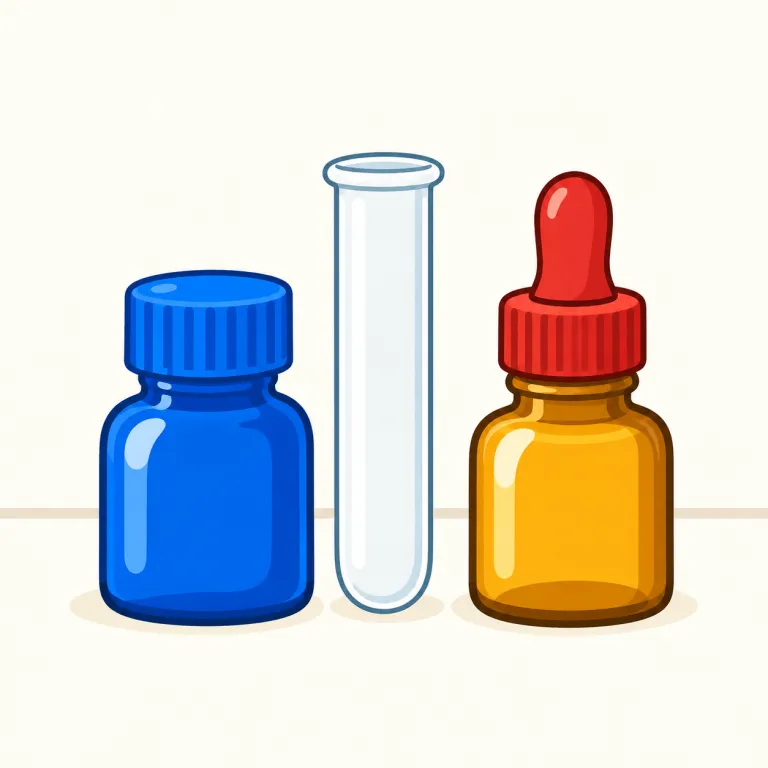
試薬
解説 Definition
reagents は reagent「試薬」の複数形です。化学反応を起こしたり、物質を検出したりするために、実験や検査で使う薬品を指します。
Reagents are chemical substances used to cause a reaction, test for another substance, or produce a particular result in laboratory work or medical testing. This form is the plural of reagent.
覚え方のコツ Memory Tip
reagentに複数形の-sを付けてreagents。発音は /ˈriːeɪdʒənts/。react「反応する」とagent「作用するもの」に結び付け、反応を起こす試薬の瓶を思い浮かべましょう。
Add plural -s to reagent to make reagents, pronounced /ˈriːeɪdʒənts/. Associate it with react and agent, and picture bottles of chemicals used to produce or reveal a reaction.
例文
The lab ordered new reagents for the test.
研究室はその検査のために新しい試薬を注文しました。
The technician checked the labels before mixing the reagents.
技師は試薬を混ぜる前にラベルを確認しました。
reagents の類義語・関連語
reagents の語源・成り立ち Etymology
フランス語「réagent」に由来し、ラテン語の接頭辞re-(反対に・再び)と語根agere(行う)、接尾辞-ent(~するもの)が結合。化学反応で「他物質と作用し合うもの」の語感から試薬を指します。同語根にreact(反応する)やagent(作用剤)があります。
Reagent entered English through French réagent. It is historically connected with Latin re-, expressing a backward or reciprocal action, and agere, meaning “to do” or “act,” with an agent-forming ending. Its central idea is therefore something that acts in response to another substance. The same Latin root appears in agent and, through related formation, react. Reagents is simply the regular plural formed by adding -s.
同じレベルの語彙をもっと
外部辞書で調べる
この英単語をクイズで覚えよう