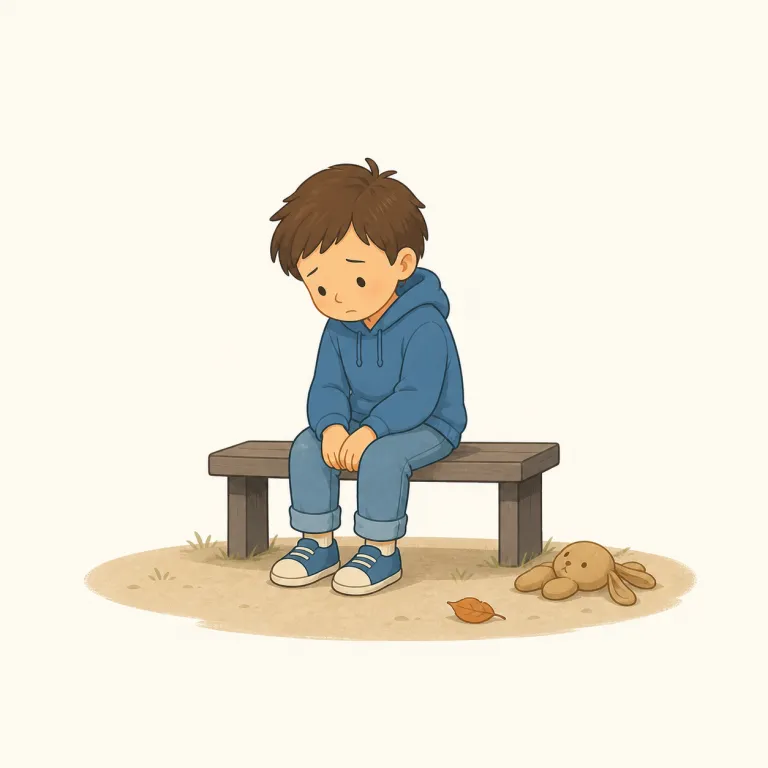
forlorn
forlorn は英検1級レベルの英単語で、「心細い、寂しげな、見捨てられたような」という意味があります。発音記号は /fɚˈlɔːrn/ です。
心細い、寂しげな、見捨てられたような
解説 Definition
forlorn は、孤独で心細く、見捨てられたように感じられる様子や、希望がほとんどなく寂れた印象を与える状態を表す形容詞です。人の感情だけでなく、家や計画などが哀れで救いのない雰囲気を帯びている場合にも使われます。
Forlorn describes someone or something that seems sad, lonely, and without hope. It can also describe a person or place that looks abandoned or emotionally empty.
覚え方のコツ Memory Tip
lonely を強く、やや文学的にした感じと覚えると定着しやすい。単に一人で寂しい lonely と違い、forlorn は「見捨てられたようで、希望もほとんどない」まで含むのが核心。forlorn look, forlorn figure, forlorn hope のように、表情・後ろ姿・望みの薄い計画によく付き、荒れた家や寂しい場所にも使える。sad より情景が浮かび、 hopeless より“寂しさ”が前に出る。abandoned は事実説明寄り、forlorn は見る側の哀れさまでにじむ語。
Think of `forlorn` as stronger and sadder than `lonely`. It often suggests not only being alone, but also feeling abandoned and almost without hope. Phrases like `a forlorn look` or `a forlorn figure` make the emotional picture easier to remember.
例文
The lost child looked forlorn as she waited for her parents at the information desk.
迷子の子どもは、案内所で親を待ちながら心細そうに見えた。
Despite all our efforts, the project seemed like a forlorn hope.
私たちが手を尽くしても、その計画は望み薄に思えた。
In that forlorn house, no one had lived for many years.
その寂れた家には、もう何年も誰も住んでいなかった。
forlorn の類義語・関連語
forlorn の語源・成り立ち Etymology
forlorn は古英語 forloren に由来し、for-「すっかり」+ leosan「失う」から成る語です。もとは「完全に失われた」という意味で、そこから「見捨てられた」「心細い」へと意味が広がりました。関連語に lose, lost があります。
"Forlorn" comes from Old English "forloren," from "for-" meaning completely and "leosan" meaning "lose." It first meant something like "utterly lost." Later the sense shifted to a person who feels abandoned, lonely, or without hope. It is related to "lose" and "lost."
同じレベルの英単語をもっと
英検1級の一覧へ →外部辞書で調べる
この単語を英単語クイズで覚えよう