抵抗率
解説 Definition
物質が電流の流れに対してどれだけ抵抗するかを示す物理的な特性値。
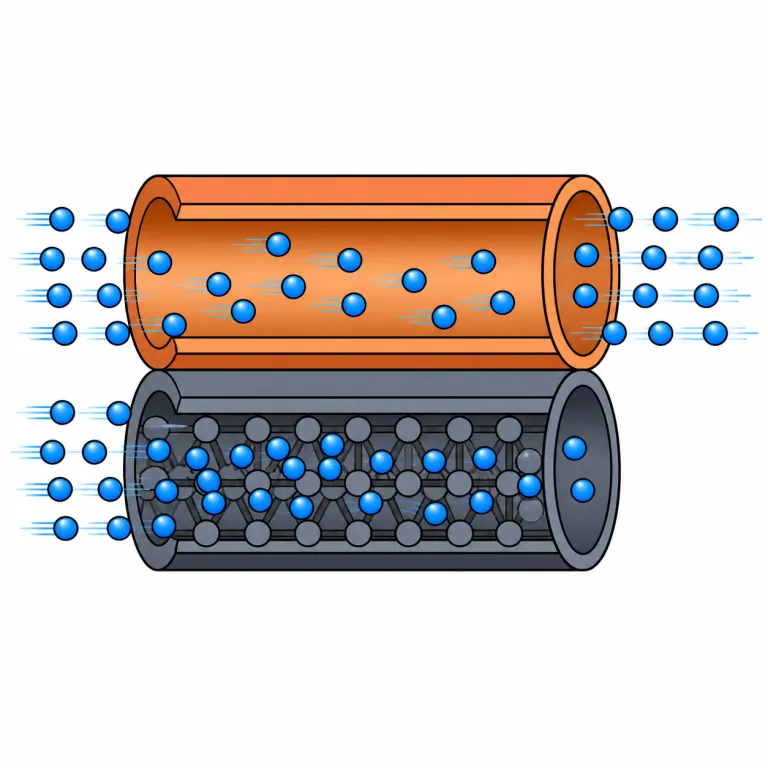
Resistivity is a physical property that shows how strongly a material resists the flow of electric current. It is used in physics and engineering to compare different materials. A material with high resistivity does not let electricity move through it easily.
覚え方のコツ Memory Tip
resist を知っていれば、「電流の flow に resist する度合い」を表す名詞だとつかめます。まず resistor, resistance, resistive を同じ仲間で並べ、最後の -ivity は activity などと同じく「性質・度合い」を表す形として覚えると定着しやすいです。特に resistance が部品や回路の“抵抗そのもの”なのに対し、resistivity は material 自体の性質である点が重要。high/low resistivity, electrical resistivity, conductivity の反対語というセットで覚えると混同しにくくなります。
Start from `resist` and the family `resistance`, `resistive`, `resistor`. The ending `-ivity` often shows a quality or level, so `resistivity` is the quality of resisting flow. To remember it, pair it with `conductivity` as an opposite.
例文
The resistivity of copper is much lower than that of iron, making it ideal for electrical wiring.
銅の抵抗率は鉄よりもはるかに低いため、電気配線に最適である。
Scientists measured the resistivity of the new alloy to determine its suitability for semiconductor applications.
科学者たちは半導体用途への適性を判断するために、新しい合金の抵抗率を測定した。
Temperature changes can significantly affect the resistivity of most conductive materials.
温度変化はほとんどの導電性材料の抵抗率に大きな影響を与えうる。
resistivity の類義語・関連語
resistivity の語源・成り立ち Etymology
resistivity は resist『抵抗する』+ 名詞化の -ivity から成り、ラテン語 re-『逆らって』+ sistere『立つ』が核です。電流に『立ちはだかる性質』と考えると意味がつかみやすい語です。関連語 persist, insist にも同じ『立つ』の語根が見えます。
Resistivity comes from resist plus the noun ending -ivity. Resist goes back to Latin resistere, from re- "against" and sistere "to stand," so the basic image is "standing against." Related words like insist and persist share the same root, and resistivity developed as the quality of standing against an electric flow.
同じレベルの語彙をもっと
外部辞書で調べる
この英単語をクイズで覚えよう