沼地、湿地
noun 名詞水がよどみ、泥や湿地植物が広がる沼地・湿地を指す名詞で、特に北米英語で使われる。地域によっては川のわきにできた水路や入り江も指し、北米ではこの語義を通常「スルー」に近く発音する。
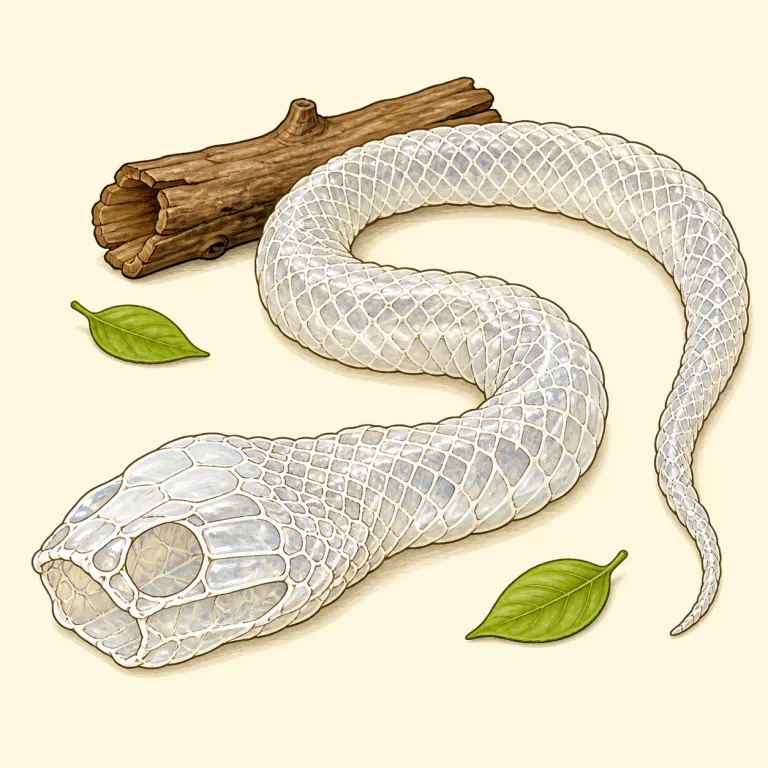
ヘビなどの動物が脱皮して残す古い皮膚を指し、脱ぎ捨てられた抜け殻そのものを意味します。観察して成長や体調を調べる対象になることもあります。不要なものを捨てる意味は、主に slough off という動詞句で使われます。
A slough is a layer of dead skin or other material that has separated from the body and is being shed. This meaning is used in biology and medicine. It can also refer more generally to something unwanted that is cast off.
まず動詞句 slough off をセットで覚えると定着しやすいです。off が付くと「古いものを脱ぎ捨てる」で、名詞 slough はその結果として残る「抜け殻」そのもの。snake skin の専門的・観察的な言い換えだと考えると位置づけがつかみやすく、成長して外側だけがはがれ落ちる場面を頭に置くと忘れにくくなります。比喩では slough off old habits のように、不要な習慣や考えを捨てる文脈にもつながります。なお同綴りの slough「沼地」とは別語なので混同に注意。
Link this noun to the phrasal verb `slough off`. If an animal `sloughs off` an old outer layer, the `slough` is the skin left behind. Think of snakes, shedding, and thin old skin rather than a hard shell.
A snake's slough lay near the log after the storm.
嵐の後、丸太の近くにヘビの抜け殻が落ちていた。
Children found a snake's slough and showed it to their teacher.
子どもたちはヘビの抜け殻を見つけて先生に見せた。
The biologist carefully measured the slough to study how much the snake had grown.
生物学者はヘビがどれほど成長したかを調べるために、抜け殻を丁寧に測定した。
文脈によって、次の意味でも使われます。
水がよどみ、泥や湿地植物が広がる沼地・湿地を指す名詞で、特に北米英語で使われる。地域によっては川のわきにできた水路や入り江も指し、北米ではこの語義を通常「スルー」に近く発音する。
傷口や潰瘍の表面に付着している、またはそこから剥がれ落ちる壊死組織を指す医学用語。しばしば黄色や灰色に見え、創傷治療では除去の必要性や治癒状態を評価する対象となる。
この slough は「沼地」ではなく「抜け殻」の語源で、古英語 slōh「皮・殻」にさかのぼります。もともと外側の皮がゆるんで落ちるものを指し、そこから蛇などの「脱けた皮」の意味になりました。関連語は slough off, sloughing。
This slough comes from Old English sloh, meaning skin, husk, or outer covering. It originally referred to something loose on the outside that could fall away. From that, it came to mean the shed skin of a snake or a similar cast-off layer. Related forms appear in slough off and sloughing.
この英単語をクイズで覚えよう