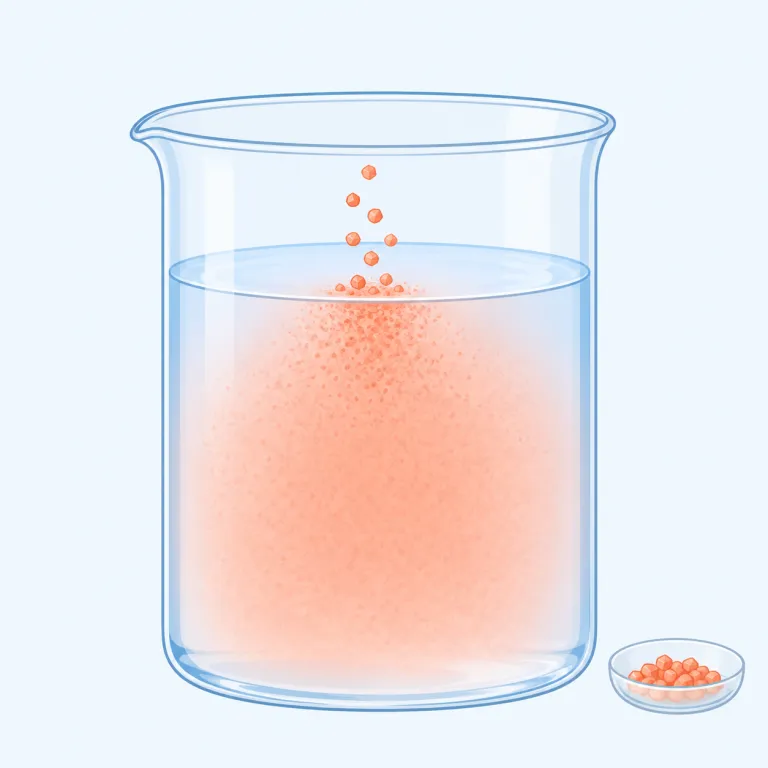
soluble
soluble はTOEFL 60・IELTS 5.5レベルの英単語で、「可溶性、解決できる」という意味があります。発音記号は /ˈsɔːljʊbəl/ です。
意味一覧 (2件)
可溶性
解説 Definition
この形容詞は液体(特に水)に溶けやすい性質を持つことを示す。化学や科学の文脈で、物質が液体に均一に混ざる特徴を表す語として使われる。また比喩的には、困難や問題が解決可能であることを意味する場合もある。
Soluble means able to be dissolved in a liquid, especially water. It is mostly used in chemistry, medicine, and manufacturing. If something is soluble, it can mix into the liquid instead of staying separate.
覚え方のコツ Memory Tip
solve を知っていると、soluble は「バラけて解けていける性質」とつなげやすい。dissolve が「実際に溶かす/溶ける」という動きなのに対し、soluble は「溶けやすい・溶けうる」という性質を見る語。-able / -ible は washable, readable と同じく「〜できる」。water-soluble, fat-soluble の形で非常によく出るので、セットで覚えると強い。反対語は insoluble。比喩では a soluble problem で「解決可能な問題」まで広がる。
Notice the ending `-ble`, like in `washable` or `readable`, so `soluble` means able to be dissolved. It is common in pairs like `water-soluble` and `fat-soluble`, which are worth memorizing as chunks. Keep it separate from `dissolve`, which is the action, while `soluble` is the quality.
例文
Salt is soluble in water and dissolves quickly when stirred.
塩は水に溶けやすく、かき混ぜるとすぐに溶ける。
The doctor recommended a soluble form of the medication for easier absorption.
医師は吸収しやすいように可溶性の製剤を勧めた。
Not all vitamins are soluble in water; some dissolve only in fat.
すべてのビタミンが水溶性というわけではなく、脂肪にしか溶けないものもある。
解決できる
(意味 2)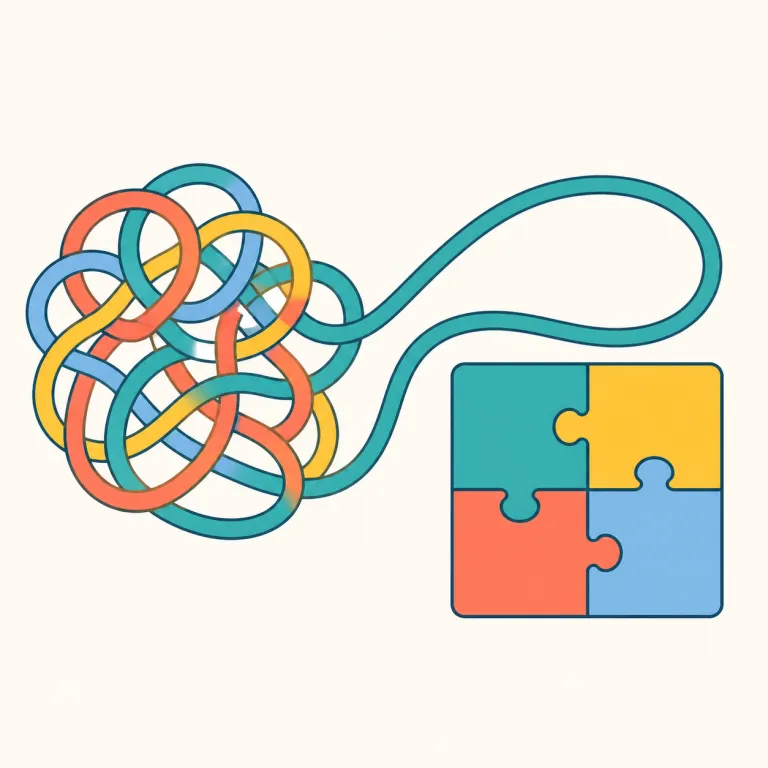
解説 Definition
soluble は、問題や困難などが「解決できる」という意味の形容詞です。日常的には solvable のほうが一般的ですが、soluble も抽象的な問題が解けることを表す場合に使われます。
Describes a problem or difficulty for which a solution can be found. This use is less common in everyday English than 'solvable.'
覚え方のコツ Memory Tip
solve を知っていると、soluble は「解決へほどいていける性質」とつなげやすい。化学の water-soluble「水に溶ける」とは別に、problem や conflict について「手順や合意があれば解ける、解決できる」という意味で使う。a soluble problem, a soluble difficulty の形を押さえるとよい。insoluble は「解決不能な」。結び目が少しずつほどけて問題が片づく場面と結びつけると残りやすい。
Connect soluble with solve and imagine gradually loosening a knot until the problem is resolved. Remember 'a soluble problem' as a problem you can work through. Its opposite, insoluble, describes a problem that cannot be solved.
例文
The conflict seemed difficult, but it was soluble with careful negotiation.
その対立は難しそうに見えたが、慎重な交渉で解決できるものだった。
Most of the problems in the plan are soluble if we have enough time.
その計画の問題のほとんどは、十分な時間があれば解決できる。
She believed that the technical issue was soluble, not a reason to cancel the project.
彼女は、その技術的な問題は解決できるものであり、プロジェクトを中止する理由ではないと考えた。
soluble の類義語・関連語
対義語
紛らわしい語
soluble の語源・成り立ち Etymology
soluble は古フランス語を経て、ラテン語 solvere「ほどく、ゆるめる」に由来し、solu- + -ible「…できる」と分けられます。solve や dissolve と同根で、「結び目がほどける」感覚から、物質が液体に溶けこめるという意味が見えてきます。
Soluble comes through Old French from Latin solvere, meaning "to loosen" or "to untie." The ending -ible adds the sense of "able to be." It is related to solve and dissolve, and the idea developed from being able to be loosened to being able to dissolve in liquid.
同じレベルの語彙をもっと
TOEFL 60の一覧へ →外部辞書で調べる
この英単語をクイズで覚えよう