えいたんごクイズ

tempest

/ˈtɛmpəst/

意味一覧 (4件)

noun

あらし

解説 Definition

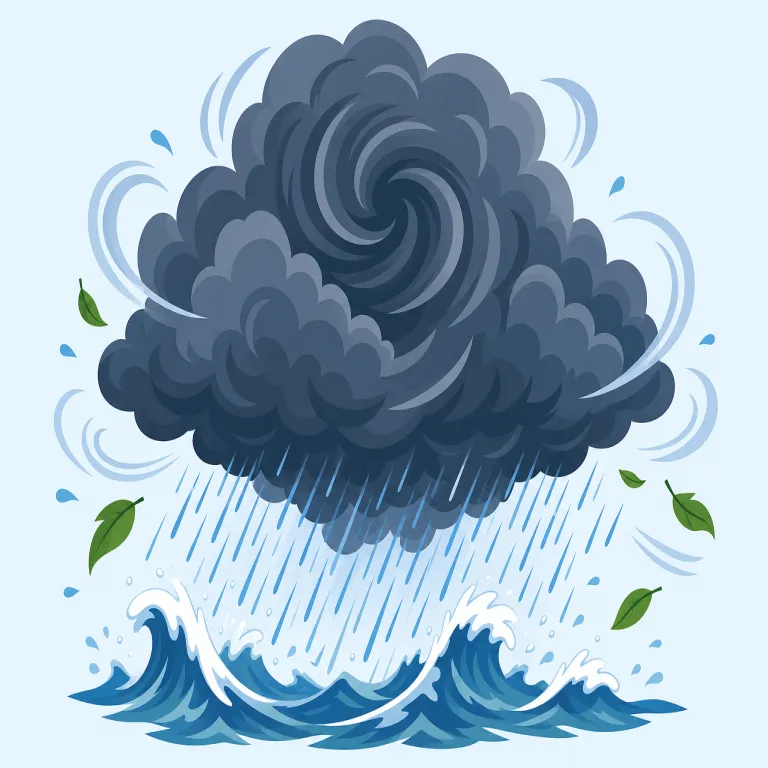
非常に激しい嵐のこと。風が強く、雨や雷が激しく起こる自然現象です。

A tempest is a very strong and violent storm, usually with heavy wind and rain. The word is somewhat literary or formal, so it is more common in writing than in everyday conversation. It can also be used figuratively for a situation full of strong emotion or conflict.

覚え方のコツ Memory Tip

tempest の「嵐」は、storm のより文語的で劇的な言い方として覚えます。日常の天気予報より、物語・詩・歴史的な文章で、強風、豪雨、雷が一体になった激しい荒天を描く語です。a raging tempest, the tempest at sea のように、海上や旅の危険な場面と結びつけると残りやすいです。tempestuous「嵐のような」も同じ荒々しい感じを持ちます。

Remember `tempest` as a more literary and dramatic word than `storm`. It describes violent weather with strong wind, heavy rain, and sometimes thunder. Phrases like `a raging tempest` or `the tempest at sea` help you picture a dangerous storm.

例文

The tempest destroyed many buildings.

嵐は多くの建物を破壊した。

Sailors feared the tempest at sea.

船乗りたちは海での嵐を恐れた。

The tempest brought heavy rain and lightning.

嵐は豪雨と落雷をもたらした。

noun

大騒おおさわ

(意味 2)

解説 Definition

tempest は、感情的な反発や議論が一気に広がる「大騒ぎ」を表す名詞です。政治、職場、SNS、家庭内のもめ事などで、実際の天気ではなく騒動や混乱をやや文語的に描くときに使われます。

A tempest is a sudden and intense public or emotional disturbance, such as a strong argument, backlash, or social uproar. It is often used in a slightly literary way to describe conflict that spreads quickly in politics, the workplace, on social media, or in family life. In this sense, it usually refers to human drama and confusion rather than actual weather.

覚え方のコツ Memory Tip

caped は名詞 cape「ケープ、肩掛け」に -ed が付いた形です。-ed 形容詞には hooded「フード付きの」、striped「縞模様の」のように「それを備えた」という意味になるものがあります。a caped coat や a caped dress では、着ている人の動作より服のデザインに注目します。肩まわりに短い覆い布が付いたコート、ドレス、制服などを思い浮かべましょう。

Caped comes from the noun cape, meaning a short shoulder covering, plus the ending -ed. Adjectives in -ed can mean "having" something, as in hooded or striped. Think of a caped coat, dress, or uniform with an extra piece of cloth around the shoulders, and focus on the design of the clothing rather than the action of the person wearing it.

例文

The mayor's comment caused a tempest in the local community.

市長の発言は地域社会で大騒ぎを引き起こした。

What started as a small complaint turned into a full tempest on social media.

小さな苦情で始まったことが、SNSで大騒ぎに発展した。

Behind the closed door, a tempest of accusations and tears shook the whole family.

閉ざされた扉の向こうで、非難と涙の大騒ぎが家族全体を揺るがした。

noun

大嵐おおあらし

(意味 3)

解説 Definition

激しい嵐。強烈な風と雨を伴う大規模な暴風雨のこと。

例文

The ship was sunk in a violent tempest.

船は大嵐で沈んだ。

The tempest lasted for three days.

その大嵐は3日間続いた。

The island's coast was battered by the tempest.

島の海岸は大嵐に打ちのめされた。

noun

大風おおかぜ

(意味 4)

解説 Definition

激しい嵐や暴風のこと。船乗りや旅人にとって特に危険。

例文

The tempest destroyed many houses in the town.

大風は町の多くの家を破壊した。

Sailors feared the tempest at sea.

船乗りたちは海での大風を恐れた。

The tempest brought heavy rain and strong winds.

大風は豪雨と強風をもたらした。

tempest を含む表現

句動詞・イディオムなど 1 件。クリックで各表現の詳細へ。

tempest の語源・成り立ち Etymology

tempest は古フランス語 tempeste、さらにラテン語 tempestas に由来する。tempestas は tempus「時・季節」から出ており、「季節の巡り」→「天候」→「荒れた天気」へと意味が絞られたので、嵐を表すのが納得しやすい。関連語は temporal, temporary。

Tempest came into English through Old French tempeste from Latin tempestas. That Latin word was linked to tempus, meaning "time" or "season," and it first referred to a season or weather at a certain time. Over time, the meaning narrowed from weather in general to violent stormy weather. Related words include temporal and temporary.

外部辞書で調べる

この単語を英単語クイズで覚えよう