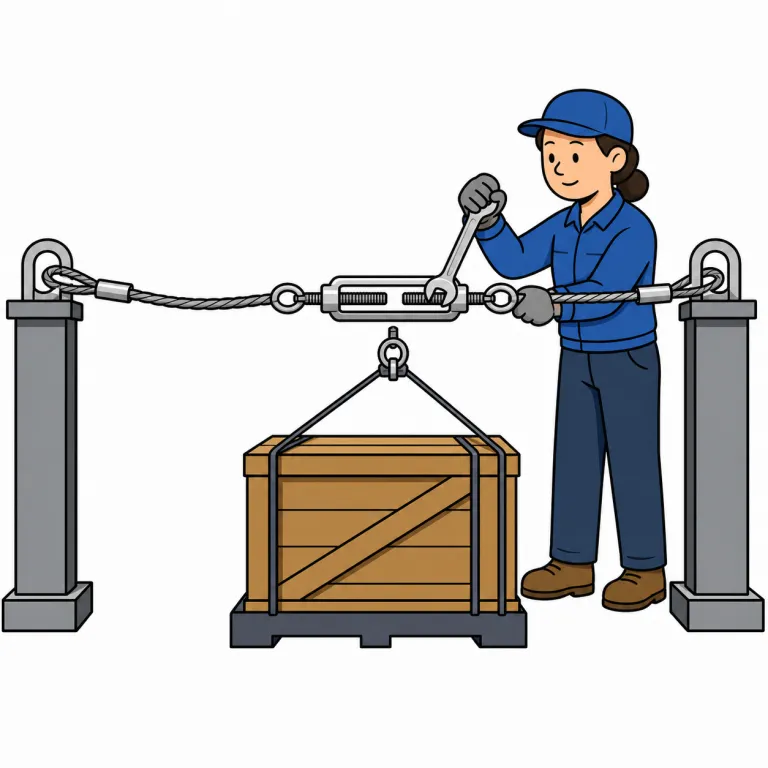
張力をかけること
解説 Definition
ロープ、ケーブル、ワイヤー、ベルトなどに必要な張力を与えて適切に張ることを指す名詞。建設、機械、楽器、スポーツ用具の調整などで使われ、たるみを防いだり、構造や動作を安定させたりするための工程や処置を表す。心理的な「緊張する」という意味では通常用いられない。
Tensioning is the act of making something tight by applying tension or pulling force. It is used in engineering, construction, sports equipment, and machines. The word refers to the process of adjusting something to the correct tightness.
覚え方のコツ Memory Tip
tension を「緊張」だけでなく「張力・張り」の意味で持っていると一気に覚えやすい。-ing が付くので、瞬間的に引っぱる動作よりも「必要な張力を与える調整・工程」という名詞。tightening はただ締めることだが、tensioning は締めすぎず緩すぎず、ロープ・ワイヤー・ベルト・弦をちょうどよい張りにする感覚。cable tensioning, belt tensioning, string tensioning などの組み合わせごと覚えると実用場面で出てきやすい。
Use `tension` in its physical sense of "pull" or "tightness," not only emotional stress. Then `tensioning` becomes the process of giving the right amount of tension. It is different from simple `tightening`, because the goal is correct balance, as in `belt tensioning` or `cable tensioning`.
例文
Proper tensioning of the rope helped secure the heavy load.
ロープに適切な張力をかけることで、重い荷物をしっかり固定できた。
Tensioning the cables prevents the bridge deck from sagging.
ケーブルに張力をかけることで、橋桁のたわみを防げる。
The manual explains the correct tensioning of the machine belt.
そのマニュアルには、機械ベルトに正しく張力をかける方法が説明されている。
tensioning の類義語・関連語
派生語
紛らわしい語
tensioning の語源・成り立ち Etymology
tensioning は tension + -ing。tension はラテン語 tensio、さらに tendere「伸ばす・張る」から来ており、物を引っ張って張力を与える動作がそのまま「緊張させる」感覚になった。関連語は tense, extend。
Tensioning comes from tension plus -ing. Tension comes from Latin tensio, from tendere, meaning "to stretch" or "to pull tight." The idea moved from physical stretching to the act of putting something under strain or tightness. Related English words include tense and extend.
同じレベルの語彙をもっと
外部辞書で調べる
この英単語をクイズで覚えよう