厳しくする、強硬にする
verb 動詞法律、規則、基準、態度などを以前より厳格にすることを表す。toughen the rulesやtoughen one's stanceの形で使い、人や物を丈夫にするのではなく、要求や対応の厳しさを増す意味になる。
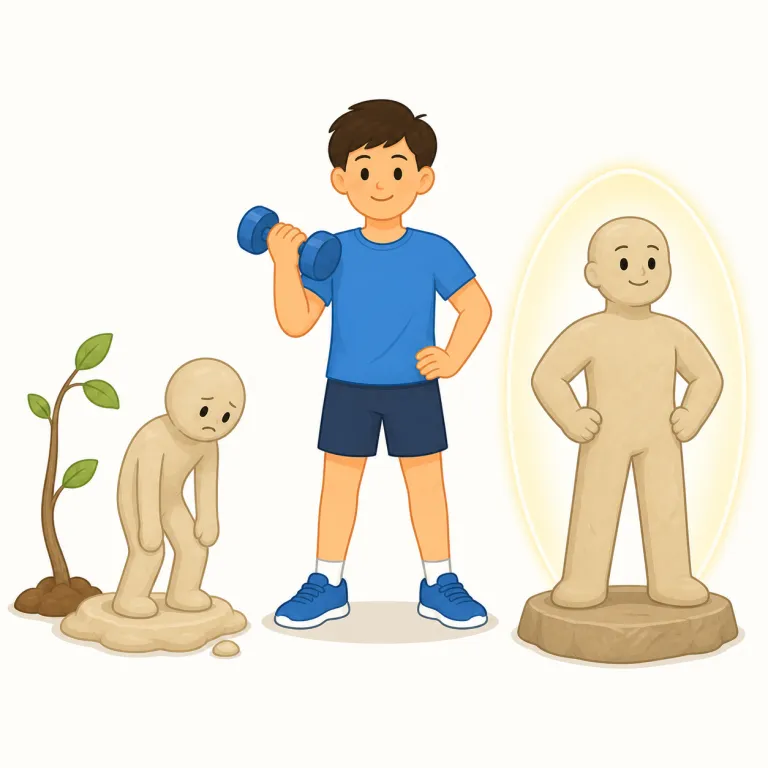
toughen はTOEIC 860・TOEFL 80・IELTS 6.5レベルの英単語で、「(心身を)鍛える、丈夫にする」という意味があります。発音記号は /ˈtʌfən/ です。
人や物をより丈夫で強い状態にすることを表す動詞。体を鍛えて持久力を高める場合にも、厳しい経験によって精神的にたくましくする場合にも使われる。材料を硬くして耐久性を上げる文脈でも用いられ、単なる「強化する」よりも鍛錬や耐性の増加を強く含む。
To toughen means to make someone or something stronger, harder, or more able to handle difficulty. It can refer to the body, the mind, rules, or materials. It often suggests becoming more resistant through training or experience.
toughen は tough「タフな」に -en「〜にする」が付いた形で、まず "make it tough" と取ると覚えやすいです。strengthen が「力を増す」、harden が「硬くする」寄りなのに対し、toughen は「打たれてもへこたれない状態にする」感じ。toughen up で「気持ちを鍛える」、toughen the body / skin で「体・皮膚を丈夫にする」と、よく出る形ごと覚えると定着します。
Build it from `tough + -en`, meaning "make tough." It suggests making someone or something more able to resist pressure, pain, or difficulty. Remember common forms like `toughen up`, `toughen the body`, or `toughen the skin`.
Military training serves to toughen recruits both physically and mentally.
軍事訓練は、新兵の心身を鍛える役割を果たす。
The athlete toughened up by lifting weights and running every day.
その選手は毎日ウエイトトレーニングとランニングをして体を鍛えた。
Hardship can toughen your character and make you more resilient.
苦労は人を精神的に鍛え、打たれ強くすることがある。
文脈によって、次の意味でも使われます。
法律、規則、基準、態度などを以前より厳格にすることを表す。toughen the rulesやtoughen one's stanceの形で使い、人や物を丈夫にするのではなく、要求や対応の厳しさを増す意味になる。
toughen は tough に動詞化の -en が付いた語で、tough 自体は古英語 toh「粘って切れにくい」にさかのぼる。つまり核は「硬い」より「引っぱってもへこたれない」で、精神や制度を鍛える意味にも広がった。toughness やドイツ語 zäh も同根で、しぶとさの語だと分かる。
"Toughen" is formed from "tough" plus the verb ending "-en." "Tough" goes back to Old English "toh," with the sense of being hard to cut or break rather than simply hard. From that physical idea, the verb developed the broader meaning of making a person, system, or material more resistant. Related words include "toughness," and the German cognate "zäh" shows the same older idea of tenacity.
この英単語をクイズで覚えよう