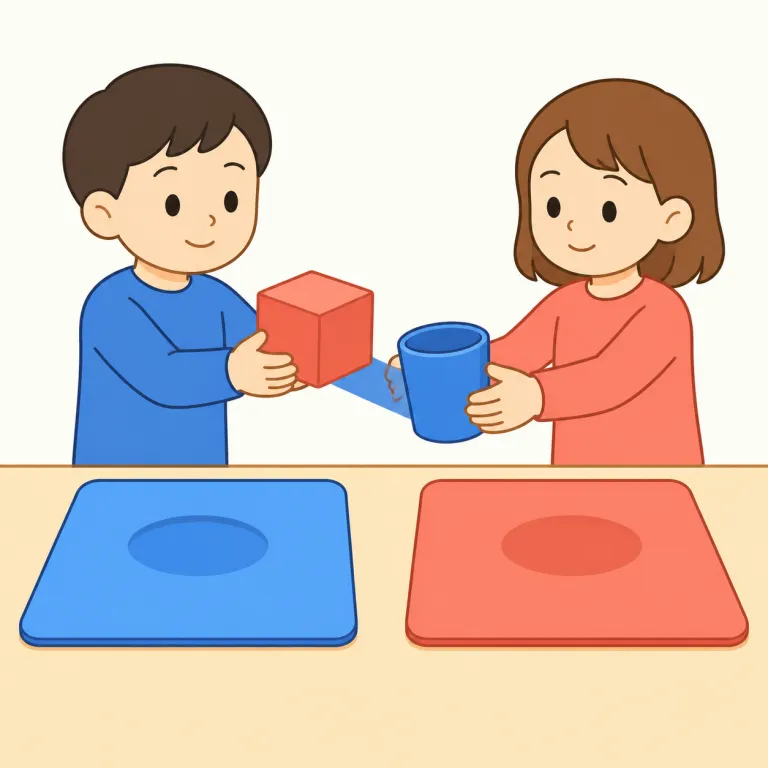
移し替える、置き換える
verb 動詞ある物事を別の時代・場所・媒体などへ移し、新しい文脈に合う形にすること。transpose A toまたはinto Bの形で、物語の舞台を現代へ移したり、発想を別分野へ応用したりする場合に使う。
もの、または要素の位置や順序を入れ替えること。特に音楽では曲のキーを変える場合に用いられます。
To transpose means to change the order or position of two or more things. It is used in general situations, and also in subjects like music, mathematics, and writing. The word often suggests moving parts into a different arrangement rather than removing them completely.
trans- は「向こうへ・別の位置へ」の仲間で、transport, transfer, transform でも見える動きの接頭辞。pose は position, compose に残る「置く」の核なので、transpose は「置く場所を変える」→要素の順序や配置を入れ替える、と考えると定着しやすい。exchange が単純な交換なのに対し、transpose は表・行列・文字列・音の並びを別の並びへ移す感じ。translate と見た目が少し似るが別語。音楽ではキー変更でよく使う。
Use the parts: `trans-` means across or to another place, and `pose` relates to putting or placing. So `transpose` means to put something in a different position. It is often used for order, letters, rows and columns, or musical keys, not just simple exchanging.
Transpose the letters A and B in the formula.
式の中の文字AとBを入れ替えてください。
In music, transposing means changing the key of a piece.
音楽では、移調とは曲のキーを変えることです。
She accidentally transposed May 5 and May 6 on the calendar.
彼女はカレンダーの5月5日と6日を誤って入れ替えました。
文脈によって、次の意味でも使われます。
ある物事を別の時代・場所・媒体などへ移し、新しい文脈に合う形にすること。transpose A toまたはinto Bの形で、物語の舞台を現代へ移したり、発想を別分野へ応用したりする場合に使う。
transpose はラテン語 trans-「越えて」+ ponere「置く」が源で、フランス語経由で入った語です。compose や position と同じ語根を持ち、「別の場所へ置き直す」と考えると、順序や配置を入れ替える意味がすっと見えます。
Transpose comes from Latin parts: trans-, meaning "across," and ponere, meaning "to place." It entered English through French and originally had the sense of putting something in another place. That idea later developed into changing order, position, or arrangement, and it shares its root with position and compose.
この英単語をクイズで覚えよう