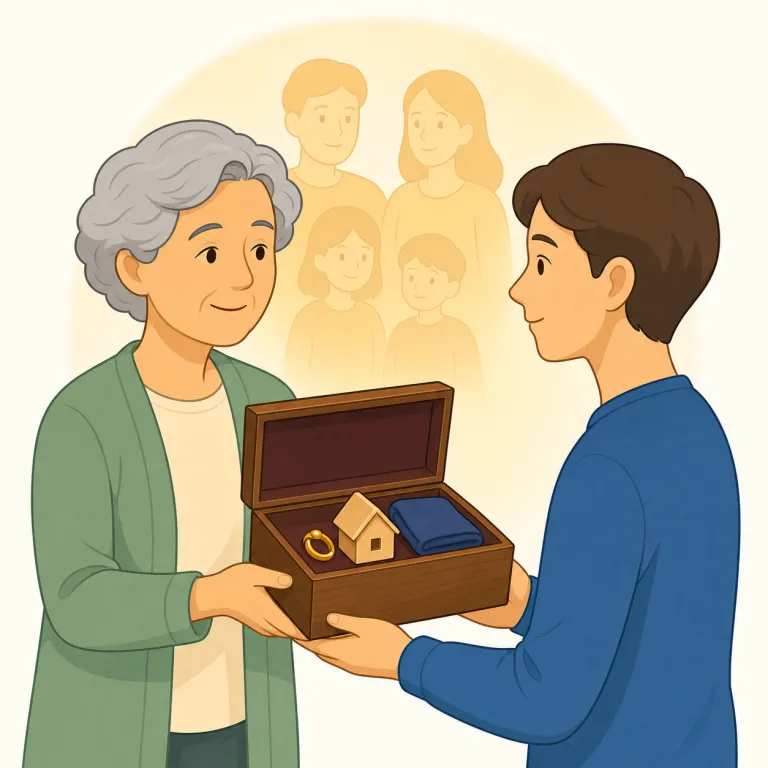
bequeath
bequeath は英検1級レベルの英単語で、「遺贈する」という意味があります。発音記号は /bɪˈkwiːð/ です。
遺贈する
解説 Definition
遺言によって財産や権利を他者に譲り渡すこと。後世に何かを残す意味でも使う。
To bequeath means to leave money, property, or something valuable to someone in a will after your death. It is mainly used in legal or formal contexts. It can also be used more broadly for passing something on to later generations.
覚え方のコツ Memory Tip
bequeath は日常の give ではなく、「遺言で leave A to B する」動詞として覚えると強い。名詞 bequest と並べて見ると形も意味も定着しやすい。bequeath money/property to one’s children, bequeath a legacy のように、遺産・相続・後世に残す文脈でよく出る。似た inherit は“受け取る側”、bequeath は“残す側”なので、視点の違いで整理すると混同しにくい。
Learn `bequeath` with the noun `bequest` so the shape helps your memory. This word belongs with `will`, `property`, and `leave ... to ...`, not everyday `give`. Also contrast it with `inherit`: `bequeath` is from the person who leaves something, while `inherit` is from the person who receives it.
例文
She decided to bequeath her entire art collection to the local museum.
彼女は美術コレクション全体を地元の美術館に遺贈することに決めた。
The traditions bequeathed to us by our ancestors should be preserved.
先祖から私たちに受け継がれた伝統は保存されるべきだ。
In his will, he bequeathed a generous sum to his alma mater.
遺言で、彼は母校に多額の金を遺贈した。
bequeath の類義語・関連語
類義語
紛らわしい語
bequeath の語源・成り立ち Etymology
bequeath は古英語 becweþan 由来で、be-「強意」+ cweþan「語る・告げる」に分かれます。もとは「言葉で譲る」感覚で、遺言で財産を残す意味になりました。bequest や古語 quoth も同じ語根です。
Bequeath comes from Old English `becwethan`, formed from `be-` and `cwethan`, meaning "to say" or "to declare." It first had the sense of giving something by speaking, especially in a formal statement. From that idea, it came to mean leaving property by will. Related English words include `bequest` and the old form `quoth`.
同じレベルの語彙をもっと
英検1級の一覧へ →外部辞書で調べる
この英単語をクイズで覚えよう