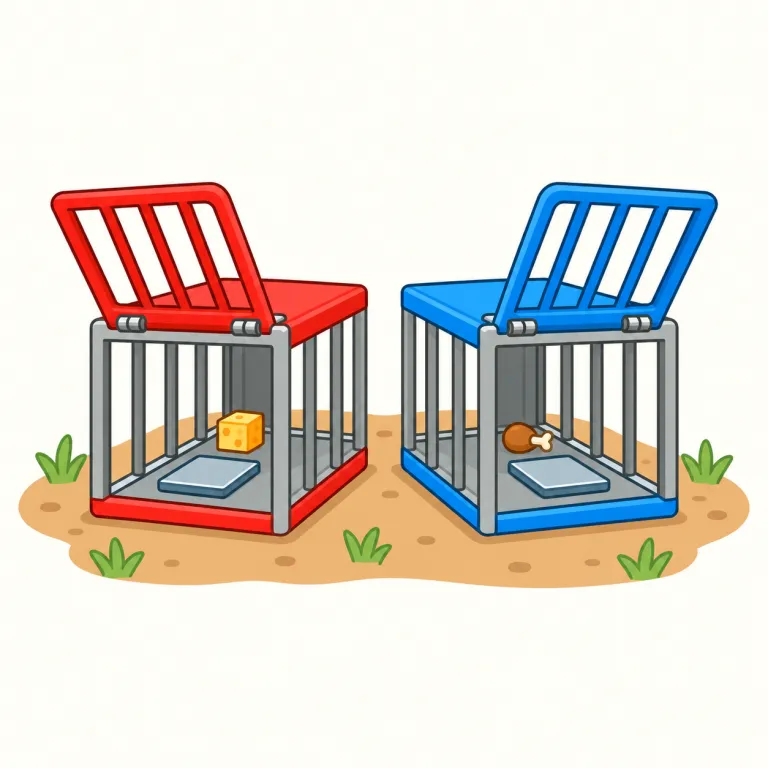
罠
解説 Definition
traps は trap(罠)の複数形で、動物や人を捕まえる仕掛けを指します。比喩的に、隠れた危険や人を困難に陥れる状況を表すこともあります。
Traps are devices designed to catch or restrain animals or people. The plural noun can also refer to multiple concealed dangers or situations that may cause someone harm or difficulty.
使い方 Usage
- set traps は「罠を仕掛ける」、get caught in traps は「罠にかかる」。hidden traps は「隠された罠」です。 Set traps means to put traps in place; get caught in traps describes being trapped. Hidden traps are traps concealed from view.
- 複数の物理的な仕掛けのほか、比喩的に複数の隠れた危険や落とし穴を表す場合もあります。 Besides multiple physical devices, traps can figuratively refer to multiple concealed dangers or pitfalls.
覚え方のコツ Memory Tip
trap に複数の -s を加えた形です。森にいくつも罠が置かれた光景を思い浮かべましょう。/p/ の後の -s は /s/ で、全体は /træps/ と発音します。
Add plural -s to trap and picture several traps placed in a forest. After the voiceless /p/, the ending is pronounced /s/, giving /træps/.
例文
The hunter set two traps in the forest.
猟師は森に二つの罠を仕掛けました。
Small animals can get hurt in traps.
小さな動物は罠でけがをすることがあります。
traps の類義語・関連語
traps の語源・成り立ち Etymology
traps は trap+複数語尾 -s。trap は古英語由来のゲルマン系語で、「足で踏みこむもの」が原義とされ、tread と近い発想です。だから「うっかり踏む仕掛け」から「罠」になり、entrap や trapdoor にも同じ感覚が見えます。
Traps consists of trap plus the regular plural ending -s. Trap entered English through Germanic and medieval French usage and has long referred to a device that catches something, especially when it is triggered by contact or movement. The modern image of an unsuspecting animal or person stepping into a concealed mechanism helps connect its physical meaning with the later figurative sense of a hidden danger. Related formations include entrap and trapdoor.
同じレベルの語彙をもっと
外部辞書で調べる
この英単語をクイズで覚えよう